

A home rarely fails all at once. It fails in small, quiet ways first — a loose shingle, a hairline crack, a pilot light that takes an extra try to catch — long before anything becomes an emergency. The trouble is that most of these early warning signs live in places homeowners rarely look, which means they go unnoticed until repair costs multiply. This guide walks through the systems most likely to break down without regular attention, and what you can do now to stay ahead of them.
Roof Flashing and Shingle Deterioration
 Your roof takes on more abuse than almost any other part of your house, absorbing sun, wind, hail, and temperature swings all year long. The first failures usually show up at the edges and seams rather than the open field of shingles, which is why flashing around chimneys, skylights, and vent pipes deserves close attention. Once water finds a gap, it can travel far from the original entry point, so a stain on your ceiling doesn’t always mean the leak is directly above it.
Bringing in professional roofers for an annual inspection is one of the most cost-effective things a homeowner can do, since catching a lifted shingle or cracked seal early is dramatically cheaper than replacing water-damaged decking later. Most roofing failures are gradual and preventable, but only if someone is actually looking for them.
- Check for granules collecting in gutters, a sign shingles are wearing thin
- Look for daylight through the attic near roof valleys
- Have flashing resealed every few years, especially around chimneys
- Trim overhanging branches that trap moisture against the roof surface
Gutter and Downspout Drainage
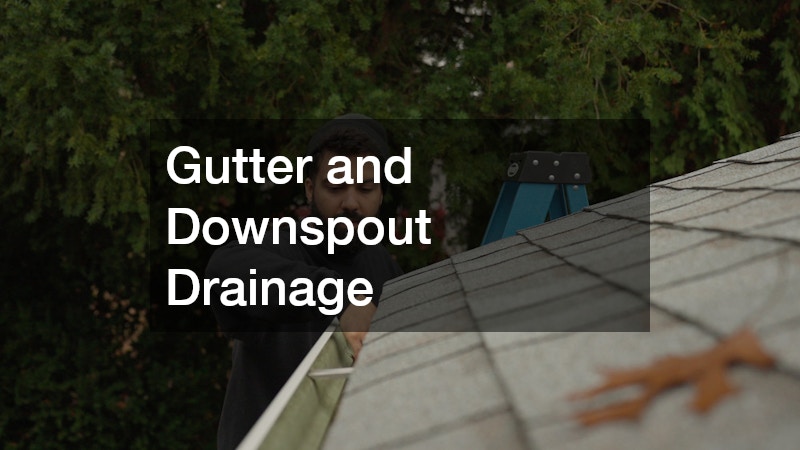
Water damage almost always starts at the roofline and works its way down, which makes your gutter system one of the most important defenses your home has. Clogged or sagging gutters send water pouring down siding and pooling at the foundation instead of channeling it safely away. Over time this leads to rotted fascia boards, stained siding, and even basement seepage that seems to come from nowhere.
A seamless gutter company can install a system custom-fitted to your roofline, which reduces the leak-prone joints found in sectional gutters and cuts down on future maintenance. Even the best gutters still need to be cleared of leaves and debris at least twice a year, especially before the rainy season arrives.
- Watch for water marks or streaking on siding below gutter seams
- Confirm downspouts extend at least three feet from the foundation
- Check that gutters are pitched correctly so water doesn’t pool
- Inspect hangers and brackets for rust or looseness after storms
Plumbing Pipes and Water Pressure

Plumbing problems tend to develop behind walls and under floors, which means small leaks can persist for months before a homeowner notices a bill spike or a musty smell. Old galvanized pipes corrode from the inside, gradually restricting flow and eventually failing at weak points like joints and elbows. Water heaters are another overlooked component, often running past their expected lifespan simply because nobody checked the age or condition of the tank.
Calling a licensed plumber for a whole-house inspection every couple of years can catch corrosion, slow leaks, and pressure irregularities before they turn into burst pipes or flooding. This is especially important in older homes where original plumbing was never designed for modern appliance loads.
- Test water pressure regularly; sudden drops can signal a hidden leak
- Know the location of your main shutoff valve before you need it
- Replace supply lines to washing machines every five to seven years
- Listen for banging or knocking pipes, a sign of loose fittings
Pool Structures and Water Chemistry Systems
A backyard pool is a significant investment, and its structural integrity depends on more than just clean water. Cracks in the shell, failing pumps, or degraded liners often start small and are easy to dismiss as cosmetic until they lead to major leaks or costly resurfacing. Chemical balance also plays a structural role, since improperly treated water can corrode plaster, tile, and metal fittings over time.
Working with an experienced pool builder for periodic structural checks, not just seasonal openings and closings, helps catch shifting decks, cracked coping, and equipment wear before they become expensive emergencies. A pool that looks fine on the surface can still be losing water or stressing its foundation underneath.
- Check for damp spots or unusual grass growth near the pool equipment pad
- Monitor water levels for unexplained drops beyond normal evaporation
- Inspect tile lines and coping for cracks each spring
- Service pumps and filters on a manufacturer-recommended schedule
Gas Line Safety and Fireplace Function
Gas appliances are convenient and efficient, but they rely on components that quietly wear out of sight. Fittings, valves, and regulators can develop tiny leaks that are difficult to detect without proper equipment, and a poorly maintained system poses real safety risks beyond just higher utility bills. A faint rotten-egg smell, an unexplained hissing sound near a connection, or a pilot light that frequently goes out are all signs worth investigating immediately rather than waiting for a scheduled inspection. Homes that rely on propane for heating, cooking, or backup power should have tanks and lines checked regularly, since exposure to weather and ground shifting can compromise fittings over the years. Propane tanks buried or installed outdoors face additional stress from soil movement, temperature swings, and corrosion, so an annual professional inspection is a reasonable baseline for most households. Homeowners should also know the location of their main shutoff valve so they can act quickly in an emergency. Fireplaces and chimneys carry their own hidden risks, especially in homes that use them seasonally. Creosote buildup inside a chimney flue is a leading cause of house fires, and it accumulates even in fireplaces that only see occasional use. An annual chimney sweep and inspection can catch cracked flue liners, blocked dampers, or nesting debris before they turn a cozy fire into a hazard.
An older, inefficient fireplace is another spot people neglect for years, often not realizing how much heat and safety they’re missing out on. A unit installed 15 or 20 years ago may only convert 60% of its fuel into usable heat, while modern sealed-combustion models routinely exceed 85% efficiency. That gap shows up directly on winter energy bills, even if the fireplace still looks and functions fine on the surface. Choosing to remodel gas fireplace units with updated venting and igniters not only improves efficiency but also reduces the risk of carbon monoxide issues tied to aging equipment. Cracked heat exchangers, corroded flue pipes, and worn-out pilot assemblies are common culprits behind CO leaks, and they rarely give obvious warning signs before failing. Upgrading to a direct-vent system with an electronic ignition also eliminates the standing pilot light that wastes gas around the clock. Gas lines themselves deserve attention too, since flexible connectors and shutoff valves can degrade over time, especially in homes near the coast or in areas with shifting soil. A simple soapy-water test on fittings can reveal small leaks before they become dangerous, and any sulfur or rotten-egg smell warrants an immediate call to a professional. Scheduling a professional inspection before each heating season is a small step that prevents much bigger problems. Technicians typically check gas pressure, venting integrity, and carbon monoxide levels in under an hour, catching issues long before they become costly emergencies.
- Watch for a sulfur or rotten-egg smell near appliances, meters, or basement lines — it’s a sign of a gas leak and warrants an immediate call to your utility company
- Check pilot lights for consistent blue flames; yellow, orange, or flickering flames can indicate incomplete combustion or carbon monoxide risk
- Have gas fittings and connections pressure-tested every 2-3 years, or immediately after any renovation that disturbs gas lines
- Keep vents and flues clear of debris, leaves, and nesting animals, especially after storms or seasonal changes
- Install carbon monoxide detectors near sleeping areas and test them monthly, since gas leaks aren’t always detectable by smell alone
- Schedule an annual chimney inspection to catch creosote buildup, cracks, or blockages before fireplace season begins
Exterior Paint and Siding Protection

Paint isn’t just cosmetic; it’s a protective barrier against moisture, UV damage, and pests. Once paint starts cracking, peeling, or bubbling, the wood or siding underneath is exposed to the elements and can begin rotting far faster than most homeowners expect. This is especially true around window frames, trim, and any spot where two building materials meet.
Hiring experienced house painters to repaint every five to seven years, depending on your climate, protects the structure underneath and preserves curb appeal at the same time. Waiting until damage is visible from the street usually means the problem has already progressed past a simple paint job.
- Inspect caulking around windows and doors annually
- Look for chalky residue on siding, a sign paint is breaking down
- Address peeling spots quickly before moisture reaches the wood
- Choose paint rated for your specific climate and sun exposure
Metal Fixtures and Outdoor Hardware
Railings, gates, light fixtures, and other metal elements around a home take a beating from rain, salt air, and temperature swings, and rust can spread quickly once it gets started. Many homeowners simply replace corroded pieces instead of realizing there’s a more durable option available. Ongoing exposure without a protective finish shortens the lifespan of even well-made hardware.
A powder coating company can apply a finish that’s far more durable than standard paint, resisting chipping, fading, and corrosion for years longer on railings, fences, and fixtures. This is a particularly smart option for coastal homes or properties in harsh weather regions where standard finishes fail quickly.
- Inspect metal railings and gates for surface rust each spring
- Sand and treat small rust spots before they spread
- Consider powder coating for high-exposure fixtures like mailboxes and railings
- Keep drainage away from metal fence posts to prevent pooling water
Indoor Air Quality and Cleaning Routines
Neglect doesn’t only show up in visible structural problems; it also builds up invisibly in the air homeowners breathe every day. Dust, allergens, and mold spores accumulate in vents, carpets, and hard-to-reach corners, especially in home offices or multi-use spaces that don’t get the same attention as kitchens and bathrooms. Over time, this buildup can aggravate allergies and even affect the performance of HVAC systems.
Homeowners who work remotely often underestimate how much dust and buildup accumulate in a home office, and periodically bringing in a professional office cleaning service can reset the space and catch buildup that regular vacuuming misses. This is especially useful before allergy season or after any renovation work that stirs up dust throughout the house.
- Change HVAC filters every one to three months
- Vacuum under furniture and behind electronics regularly
- Wipe down vents and returns to prevent dust recirculation
- Schedule deep cleaning seasonally, not just when visible dirt appears
Nursery Furniture Safety and Wear
Rooms designed for babies and young children need just as much attention to wear and tear as the rest of the house, even though they’re often newer spaces. Furniture in these rooms gets used constantly, and small mechanical parts like glider hinges or crib hardware can loosen faster than parents expect. Because safety standards and recall information change over time, it’s worth periodically confirming that older furniture still meets current guidelines.
When shopping for crib sets and nursery gliders, prioritizing sturdy hardware and easy-to-inspect joints pays off well beyond the first year, since these pieces get heavy daily use for a long time. Checking screws, hinges, and glider mechanisms every few months keeps these high-use items safe and functioning smoothly.
- Tighten crib hardware monthly during the first two years of use
- Check glider mechanisms for smooth, quiet movement
- Confirm furniture hasn’t been subject to a safety recall
- Replace worn glider cushions before padding becomes too thin
None of these problems announce themselves loudly at first, which is exactly why a proactive homeowner has the advantage. Walking through your home with this list in mind, room by room and system by system, turns invisible risks into manageable to-do items. Start with whichever area feels most overdue for a look, schedule the inspections that require a professional eye, and build a simple seasonal habit around the rest.
