
Building a new home is exciting, but the excitement can fade fast if you start dealing with leaks, cracks, or system failures just a few years after move-in. The good news is that most early breakdowns are predictable and preventable if you make smart choices during the design and construction phase. This guide walks through the systems and materials that tend to fail first in new builds, and what to prioritize now so you are not stuck with major repairs before your fifth anniversary in the house. Think of it as a roadmap for building something that ages gracefully instead of falling apart on a five-year clock.
Plan Your Home Power Backup Before You Break Ground
Electrical resilience is one of the most overlooked parts of new construction planning, yet it is one of the easiest to get right from the start. Rather than treating backup power as an afterthought, work with your builder to rough in the wiring and transfer switch during framing so you are not cutting into finished walls later. A properly sized standby generator installation and repair plan, coordinated early with your electrician, saves you from expensive retrofits and ensures your HVAC, well pump, and refrigerator stay running during outages.
Fuel source matters just as much as equipment quality. Many homeowners choose a propane-fed system because it burns cleaner, stores well long-term, and does not degrade the way gasoline does sitting in a tank for months.
- Have your electrician rough in a generator transfer switch during initial construction
- Choose a generator sized for your actual load, not just the minimum
- Schedule annual maintenance checks rather than waiting for a failure
- Confirm local code requirements for generator placement and clearance
Choose Roofing Materials That Outlast the Standard Warranty
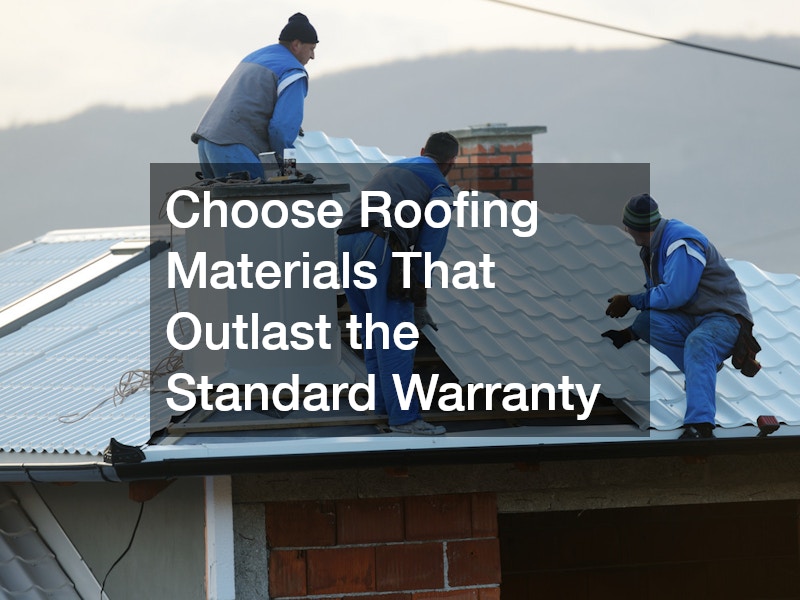
The roof is your home’s first line of defense, and cutting corners here almost guarantees you will be dealing with roof repair long before you expected to. Builders often default to the cheapest asphalt shingle option to keep bids competitive, but upgrading to a heavier architectural shingle or metal roofing system can add ten to twenty years of service life for a relatively small cost difference. Ask your builder for the manufacturer’s wind and impact ratings, not just the warranty length, since warranties rarely cover labor after the first few years.
Proper attic ventilation and underlayment matter as much as the shingles themselves. A roof that traps heat and moisture will age prematurely no matter how good the surface material is, so insist on ridge vents, soffit vents, and a quality synthetic underlayment during construction.
Size Your Gutter System to Match Your Roofline
Water management around your roofline is one of the biggest predictors of long-term structural health, and it is frequently underdesigned in new builds. A professional gutter installation that accounts for your specific roof pitch, square footage, and local rainfall intensity will move water away from your foundation far more effectively than a generic, builder-grade system. Undersized gutters overflow during heavy storms, sending water straight down your siding and into your landscaping beds, which can lead to soil erosion and foundation issues within just a few years.
- Choose seamless gutters over sectional ones to reduce leak points
- Add gutter guards if your property has mature trees nearby
- Ensure downspouts extend at least four to six feet from the foundation
- Verify gutter size matches your roof’s total drainage area
Understand Your Septic System’s Real Capacity
If your new build is not on municipal sewer, your septic system is one of the most important investments you will make, and it is also one of the easiest to neglect once construction wraps up. Many homeowners do not realize that regular septic pumping should begin within the first three to five years of a new system, not just when problems appear. Waiting until you notice slow drains or odors usually means solids have already built up enough to strain the drain field, which is a far more expensive fix than routine maintenance.
Ask your builder or septic installer for the exact tank size and expected household load before you move in. This information helps you set a realistic pumping schedule rather than guessing based on generic advice that may not apply to your specific system size or family size.
Install a Fence That Matches Your Soil and Climate

Fencing seems like a minor detail compared to roofing or plumbing, but a poorly installed fence is one of the most common five-year failure points on new properties. Working with an experienced fence contractor who understands your local soil composition and frost line depth will prevent the leaning posts and heaving panels that plague fences installed too shallow or without proper concrete footings. This is especially important in areas with clay soil or significant freeze-thaw cycles, where shortcuts during installation show up quickly as visible damage.
- Confirm post depth meets or exceeds your region’s frost line
- Choose pressure-treated or naturally rot-resistant wood for posts
- Ask about drainage around post holes to prevent water pooling
- Request a written warranty on both materials and labor
Select Flooring That Handles Heavy Daily Use
Flooring choices made during the build phase often reflect budget pressure rather than long-term durability, and that tradeoff tends to show up in garages, basements, and mudrooms first. Builders working within tight allowances will frequently default to bare concrete or the cheapest available tile, both of which look acceptable at closing but degrade quickly once real household activity begins. By year five, those surfaces are often cracked, stained, or pitted in ways that make repair or replacement unavoidable.
For these high-traffic, high-moisture areas, epoxy flooring has become a popular alternative because it resists stains, chemicals, and cracking far better over time. A properly applied epoxy coating can handle motor oil, road salt, deicing chemicals, and standing water without breaking down, which makes it especially well suited to garages and mudrooms where these exposures are routine. Many systems also include an anti-slip additive, an important consideration in basements and entryways that see wet shoes or snow melt.
Cost is worth planning for upfront: professional epoxy installation typically runs higher per square foot than basic tile, but it lasts considerably longer and avoids the recurring grout repair, regrouting, and tile replacement that budget flooring demands. It also simplifies cleaning, which matters in spaces that see constant foot traffic, vehicle fluids, or seasonal equipment storage. A quick mop or hose-down is usually enough to keep the surface looking new, rather than the scrubbing and sealing that porous materials require.
Homeowners should also factor in surface prep, since epoxy performs best over concrete that’s been properly cured, cleaned, and free of moisture issues. Skipping this step is one of the most common reasons epoxy floors fail prematurely, so it’s worth confirming with the builder or installer that proper prep is included rather than assumed.
Beyond durability, consider how each flooring choice will look and perform five years down the road, not just on move-in day. Cheaper laminate or builder-grade vinyl can look great initially but often shows wear, peeling, or water damage well before your fifth year in the home.
Traffic patterns matter more than most homeowners realize. Entryways, kitchens, and hallways take a beating from dirt, grit, and constant footsteps, so these areas deserve flooring rated for commercial or heavy residential use rather than the cheapest option on the showroom floor. Look for products with an AC4 or AC5 rating for laminate, or a wear layer of at least 20 mils for luxury vinyl plank, since thin wear layers are the first thing to fail under daily abuse.
Solid hardwood, tile, and higher-grade luxury vinyl plank consistently outperform budget options because they resist scratching, fading, and moisture penetration over time. Tile in particular holds up well in kitchens and bathrooms where spills are frequent, provided the grout is properly sealed to prevent staining and cracking. If you have pets or kids, ask your flooring installer about scratch-resistant finishes and impact-resistant cores, which cost a bit more upfront but pay off by avoiding a full replacement before year five.
Plan Bathrooms With Long-Term Moisture Control in Mind

Bathrooms are consistently among the first rooms to show problems in new builds because moisture management is often an afterthought during framing and tiling. Working with reputable bathroom remodeling companies during the design phase, even for new construction, can help you select waterproofing membranes, proper slope for shower pans, and ventilation fans sized correctly for your square footage. Skipping these details to save money upfront almost always costs more later in the form of mold remediation or subfloor replacement.
- Install an exhaust fan rated for your bathroom’s exact square footage
- Use a waterproofing membrane under all tile, not just in showers
- Choose grout and sealant products rated for high-moisture environments
- Slope shower floors correctly to avoid standing water
Keep Exterior Surfaces Clean to Prevent Long-Term Damage
New construction still accumulates dirt, pollen, algae, and mildew faster than most homeowners expect, especially in humid climates. Regular power washing of siding, driveways, and walkways prevents organic growth from eating into your exterior finishes and helps you spot small issues, like cracked caulking or loose siding panels, before they become expensive repairs. This is a maintenance task that costs very little compared to the damage it prevents over a five-year span.
Timing matters here as much as frequency. Scheduling a thorough cleaning once or twice a year, ideally in spring and fall, keeps grime from building up to the point where it stains permanently or traps moisture against your home’s exterior materials.
Choose Appliances Built for Longevity, Not Just Looks

It is tempting to select appliances based purely on style during the excitement of a new build, but reliability should weigh just as heavily in your decision. A refrigerator or range with sleek finishes means little if it needs a service call by year three, and repair costs on major appliances can easily run several hundred dollars per visit once the warranty lapses.
Visiting appliance stores in person, rather than buying everything online sight unseen, lets you ask about repair histories, average lifespans, and parts availability for specific brands and models. Staff can walk you through the actual mechanics of a unit, point out which components tend to fail first, and explain how long manufacturers typically stock replacement parts before a model is discontinued.
Salespeople at these stores often know which models have chronic issues and which ones consistently last well past their warranty period, since they hear directly from customers who return for parts or file complaints. It’s worth asking specifically about compressor failures on refrigerators, control board issues on dishwashers, and heating element problems on dryers, as these are among the most common repair calls. Also ask whether a model has a strong independent repair network in your area, since even a well-built appliance becomes a liability if no technician nearby can service it.
Finally, compare warranty length across brands rather than assuming they’re all similar; a manufacturer offering ten years on a sealed system versus one year is often signaling real confidence in its build quality.
- Ask about average repair rates for specific models, not just brand reputation — check sites like Consumer Reports or repair-tracking databases for model-specific failure data
- Prioritize appliances with widely available replacement parts, ideally from mainstream brands still manufacturing parts 10+ years out
- Compare extended warranty costs against the appliance’s expected lifespan — a $200 warranty on a $600 unit expected to last 15 years may not be worth it
- Read maintenance requirements before purchasing, especially for high-end units with proprietary filters, coolants, or software updates
- Favor simpler mechanical designs over feature-heavy smart appliances, since fewer electronic components generally mean fewer failure points
- Check how long the manufacturer has supported previous models with parts and service before discontinuing them
A new build that still looks and performs like new after five years is not an accident; it is the result of dozens of small, informed decisions made before and during construction. From your roofline to your septic tank to the appliances in your kitchen, every system benefits from a little extra research and a willingness to spend slightly more upfront for lasting quality. Talk to your builder now about the specific materials and installation standards being used in your home, and do not be afraid to ask pointed questions about long-term performance. The homeowners who avoid costly five-year repairs are almost always the ones who asked these questions before the foundation was poured.
