
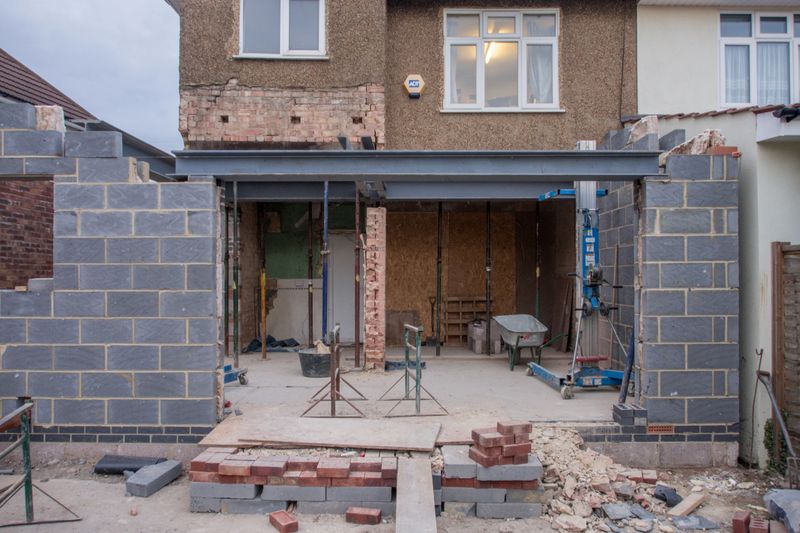
Key Takeaways
- Hairline cracks are often cosmetic, but horizontal, stair-step, or widening cracks typically indicate structural movement that needs expert evaluation
- Doors and windows that stick, gaps around frames, and uneven floors are early warning signals that the structure beneath your house is shifting
- Water pooling near the base of your house is one of the biggest contributors to structural damage and should be addressed quickly through drainage improvements
- Repair costs climb sharply the longer issues are ignored, turning minor fixes into major reconstruction projects
- A licensed structural engineer or specialized contractor should assess any suspected movement before you commit to a repair method
- Routine inspections twice a year can catch small issues before they escalate into expensive structural emergencies
Your house rests on something you almost never see. That hidden slab or set of footings carries the weight of every wall, every floor, and every piece of furniture inside. When it starts to shift, settle, or crack, the entire structure above it feels the effects, often in small ways you might not immediately connect to what’s happening below.
The tricky part is that structural trouble rarely announces itself loudly. A door that sticks in July might seem like a humidity issue. A thin crack above a window could look like normal settling. But these little quirks can be early messages from a structure that’s quietly moving. Learning to read those messages is one of the most valuable skills a homeowner can develop.
This guide is written for people who’ve never thought much about what’s under their floors. We’ll start with the basics, walk through the warning signs step by step, and explain when it’s time to stop watching and start calling for help.
What a Foundation Actually Does
Before you can spot trouble, it helps to know what a foundation is supposed to do. In the simplest terms, it’s the base that spreads the weight of your house into the ground beneath it. It also keeps moisture, pests, and cold air from creeping into your living space from below.
There are three common types in American homes. Slab foundations are solid pads of concrete poured directly on the ground. Crawl space foundations lift the house a few feet off the soil, leaving a short gap underneath. Full basements go deeper, giving you an extra floor of usable space. Each type has different weak points, but all of them depend on stable soil to work properly.
Data shows that roughly 72% of U.S. homes sit on concrete slabs that are vulnerable to cracking under certain soil conditions. That’s a huge portion of the housing stock, which means understanding slab behavior isn’t a niche concern. It’s something most owners will encounter at some point.
Why Foundations Fail in the First Place
Structural trouble usually starts with the dirt, not the concrete. Soil expands when it absorbs water and contracts when it dries out. In regions with clay-heavy ground, that movement can be dramatic enough to lift or drop sections of a house over the course of a single season.
Other culprits include poor drainage, leaking plumbing, tree roots pulling moisture from the soil, and the natural settling that happens in the first several years after construction. The problem is cumulative. Small shifts year after year can add up to real damage.
Common Causes Worth Knowing
Here are the usual suspects behind structural movement:
- Expansive clay soils that swell and shrink with seasonal moisture changes
- Downspouts and gutters that dump water right next to the house
- Slow plumbing leaks under slabs that soften the ground below
- Large trees planted too close to the structure
- Original construction on poorly compacted fill dirt
- Earthquakes or sudden shifts in the surrounding landscape
Knowing the cause matters because the fix depends on it. A drainage problem has a different solution than a soil composition issue, and a good contractor will diagnose the root cause before suggesting repairs.
Early Warning Signs of Foundation Problems
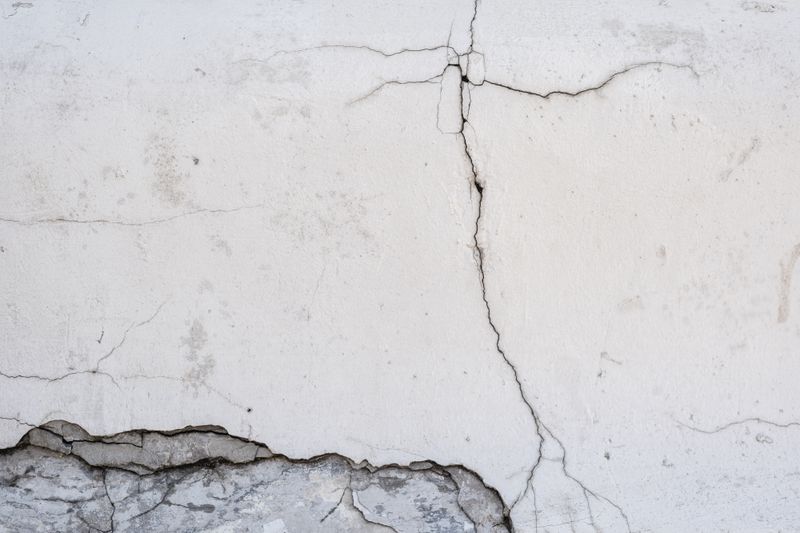
Now for the part most people want to know. What should you actually look for? The signs of foundation problems tend to show up in predictable places, and once you know where to look, you’ll notice them during normal routines like cleaning, painting, or walking the perimeter of your property.
Start outside. Walk around your house slowly and look at the exterior walls, especially near corners. Check the ground where it meets the siding or brick. Then move inside and pay attention to walls, floors, ceilings, and anywhere two surfaces meet, like door frames and window sills.
Red Flags Inside Your Home
These interior clues are among the most reliable:
- Doors that suddenly won’t latch or need to be shoved shut
- Windows that stick or no longer open smoothly
- Gaps opening up between crown molding and the ceiling
- Floors that feel sloped when you drop a marble or ball
- Cracks running diagonally from the corners of door frames
- Nails popping out of drywall seams for no obvious reason
Any one of these on its own might be nothing. But when you spot two or three together, the pattern becomes meaningful. That’s when regular home upkeep stops being enough and professional eyes become necessary.
Cracks: Which Ones Matter and Which Ones Don’t
Not every crack is a crisis. Concrete and drywall both shrink slightly as they cure and age, which produces hairline cracks that are purely cosmetic. The challenge is telling those harmless lines apart from the ones that signal real movement.
Vertical cracks that are thinner than a credit card are usually fine. They often appear in the first couple of years after construction and don’t widen over time. Diagonal cracks running from the corners of windows or doors are more concerning because they suggest the frame has shifted. Horizontal cracks in a basement wall are the most serious kind. They indicate pressure pushing in from the soil, which can lead to bowing or collapse if ignored.
Stair-step cracks in brick or block walls follow the mortar joints and look like a staircase pattern. These almost always mean the structure has settled unevenly. A good test is to tape a small piece of paper across any crack you find, note the date, and check it monthly. If the paper tears or the crack widens, you have active movement that needs attention.
When Water Enters the Picture
Moisture is the enemy of any structural base. Water that collects around your house seeps into the soil, changes its volume, and puts pressure on walls and footings. Inside, it leads to musty smells, efflorescence (that white chalky residue on basement walls), and eventually mold.
Some records show the demand for foundation repair jumped more than 20% in early 2026, driven in part by increasingly unpredictable weather patterns that stress drainage systems homeowners once thought were adequate. That’s a reminder that even houses that have been stable for decades can develop new problems as conditions change.
Look for these water-related warning signs:
- Standing puddles near the exterior walls after it rains
- Damp spots or discoloration on basement or crawl space walls
- A persistent musty odor in lower levels of the house
- Rust stains on metal fixtures in the basement
- Soil that has pulled away from the foundation, leaving a visible gap
Addressing drainage early is cheaper than fixing damage later. Extending downspouts, regrading the yard away from the house, and installing French drains are all common solutions that don’t require touching the structure itself.
When to Stop DIY-ing and Call a Pro
There’s a point where watching and documenting isn’t enough. If you see horizontal cracks in basement walls, visible bowing, floors that have dropped more than an inch across a room, or doors and windows that have suddenly stopped working in multiple areas at once, it’s time to bring in a professional.
Ignoring these warnings gets expensive fast. The cost of delaying repairs can turn a few thousand dollars of drainage work into tens of thousands in pier installation, wall reinforcement, or even partial rebuilding. What looks like a modest crack today can require jacking the entire house in two years.
A licensed structural engineer is the best first call. Unlike a contractor who sells repairs, an engineer has no financial stake in recommending a particular fix. They’ll evaluate the situation, write a report, and give you an unbiased opinion on what’s actually happening. That report also becomes a useful tool when you start getting bids from repair companies.
What to Expect From a Professional Assessment
Here’s what a thorough evaluation typically includes:
- A visual inspection of both interior and exterior walls, floors, and ceilings
- Elevation measurements using a laser or manometer to map how level the floors are
- An assessment of the soil type and drainage around the property
- A review of any plumbing lines that could be contributing to moisture issues
- A written report with photos, measurements, and specific recommendations
Expect to pay a few hundred dollars for an independent engineer’s report. It’s money well spent compared to accepting the first contractor’s estimate at face value.
Choosing the Right Contractor for the Job
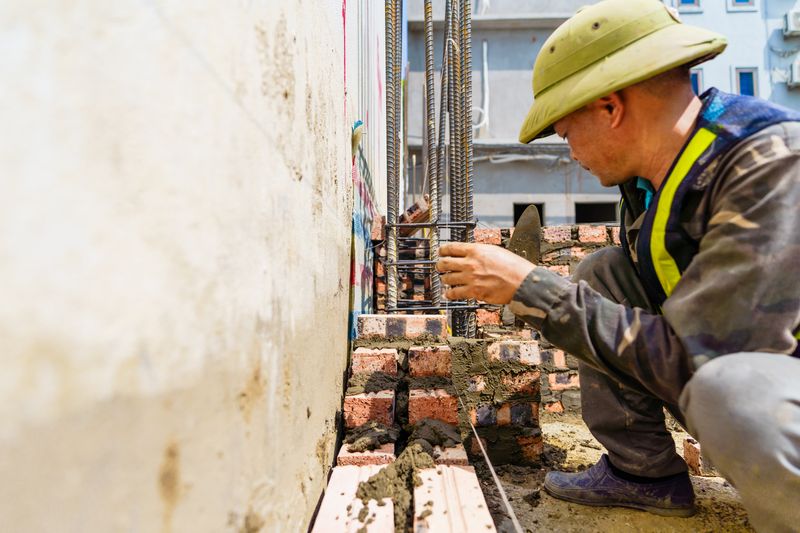
Once you know what the problem is, finding someone qualified to fix it becomes the next challenge. Structural repair is a specialty, and not every general contractor has the equipment or experience to handle it correctly. Look for companies that focus specifically on this kind of work and have been in business long enough to stand behind their past projects.
Questions Worth Asking Before You Sign
Before committing to any repair company, ask them these:
- Are you licensed and insured for structural work in this state?
- Can you provide references from jobs completed at least five years ago?
- What warranty comes with the repair, and is it transferable to future owners?
- Will you provide a written scope of work before any digging starts?
- Do you subcontract the labor or use your own crews?
A reputable company will answer these without hesitation. If someone dodges questions or pressures you to decide quickly, walk away. The repair industry has its share of operators who prey on worried homeowners, and the best defense is patience combined with multiple bids.
Preventing Future Trouble
Once repairs are done, keeping the structure stable is mostly about managing water and watching for early signs of recurrence. Gutters should be cleaned at least twice a year. Downspouts need to carry water at least five feet away from the walls. The ground around the house should slope downward, dropping about six inches over the first ten feet.
Trees matter too. Large species planted close to the house can pull enormous amounts of moisture from the soil during dry months, causing uneven shrinkage. If you have mature trees within twenty feet of the walls, consider root barriers or careful pruning to limit their influence.
Walk your property every spring and fall. Look at the same spots each time. Keep a simple log with dates and photos. Patterns that would be invisible in a single glance become obvious when you compare images taken six months apart.
Conclusion
A house that shifts is sending signals, and the owners who do best are the ones who learn to listen early. Most structural issues move slowly, which means there’s usually time to act before small problems turn into emergencies. The key is knowing what to watch for and being willing to call someone qualified when the evidence starts stacking up.
Think of your foundation the same way you’d think about the frame of a car. You don’t need to be an expert mechanic to notice when something feels wrong, and you don’t need to be a structural engineer to spot cracks that are getting wider or floors that have started to tilt. What you do need is the habit of looking and the willingness to act on what you see.
The best outcomes come from catching things early, hiring the right expert for diagnosis, and choosing a contractor based on evidence rather than pressure. Do those three things, and the hidden part of your house will keep doing its job quietly for decades to come.
