
A dripping ceiling, a garage door that won’t budge, or a furnace that dies on the coldest night of the year can turn an ordinary day into a stressful emergency. Knowing which home system failures demand immediate attention, and which can wait for a scheduled appointment, helps you protect your property and your budget. This guide walks through the most common urgent home repair scenarios, what causes them, and how to respond before small problems become expensive disasters. Whether the issue is above your head, underground, or tucked inside your garage, recognizing the warning signs early is the key to avoiding costly damage.
Spotting Roof Damage Before It Becomes a Bigger Problem
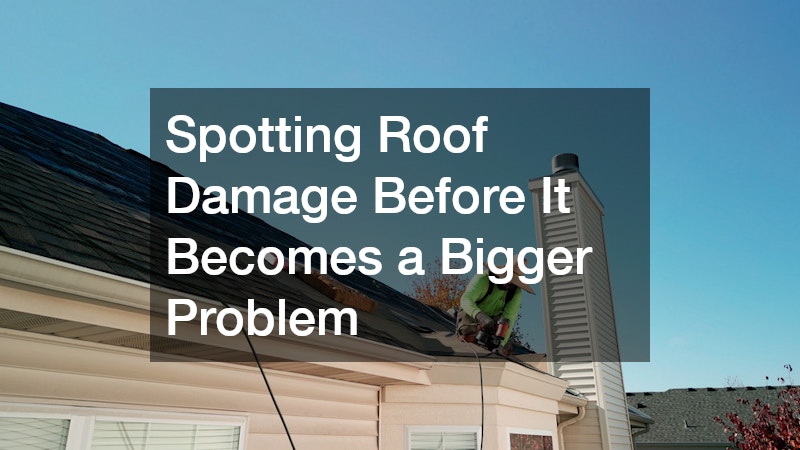
Your roof is your home’s first line of defense against weather, so even minor damage can escalate quickly if ignored. Missing shingles, sagging spots, or water stains on ceilings are all signals that moisture is getting where it shouldn’t. Left unaddressed, small leaks can lead to mold growth, rotted framing, and damaged insulation that costs far more to fix than the original problem.
Bringing in experienced roofers for an inspection after a major storm or once a year as preventive maintenance can catch issues before they become structural. They can identify flashing that has pulled away, granule loss on shingles, or ventilation problems that trap heat and moisture in the attic. Catching these issues early often means the difference between a patch job and a full roof replacement.
- Water spots or discoloration on ceilings or walls
- Shingles that are curling, cracked, or missing entirely
- Sagging rooflines or visible dips
- Daylight visible through attic boards
- Granules collecting in gutters after rain
Underground Trouble: Signs Your Septic System Needs Attention
Because septic systems are buried out of sight, many homeowners don’t think about them until something goes seriously wrong. Slow drains throughout the house, gurgling pipes, or a persistent sewage smell near the yard are all signs that a septic tank may be reaching capacity or experiencing a blockage. Ignoring these symptoms can lead to sewage backing up into the home or contaminating the surrounding soil, which becomes a health hazard as well as a costly cleanup.
Regular pumping and inspection schedules help prevent emergencies, but certain signs mean you shouldn’t wait for the next scheduled service. Pooling water or unusually lush, green patches of grass above the drain field often indicate the system is leaking or failing. Addressing these symptoms promptly can save thousands of dollars compared to replacing an entire failed system.
- Slow or gurgling drains in multiple fixtures
- Foul odors near the tank or drain field
- Standing water or soggy ground in the yard
- Sewage backing up into sinks or tubs
When Your Garage Door Becomes a Safety Hazard
A garage door is one of the largest moving parts of any home, and when it malfunctions, it can trap vehicles inside, compromise home security, or even cause injury. A door that won’t open, closes unevenly, or makes grinding noises during operation is signaling a mechanical problem that shouldn’t be ignored. Broken springs, frayed cables, or a misaligned track are common culprits that can worsen rapidly with continued use.
If your door gets stuck partway or falls unexpectedly, calling for emergency garage door repair right away is the safest choice rather than attempting a DIY fix. These systems operate under significant tension, and mishandling a broken spring or cable can cause serious injury. A professional can quickly diagnose whether the issue is with the opener, the springs, or the door panels themselves.
- Door reverses or won’t fully close
- Loud grinding, snapping, or popping noises
- Visible gaps, bends, or rust on the tracks
- Door feels unusually heavy when opened manually
Recognizing the Warning Signs of a Failing Heating System
A heating system that stops working in the middle of winter is more than an inconvenience; it can quickly become a safety issue, especially for households with young children, elderly residents, or anyone with respiratory conditions. Indoor temperatures that drop below 60°F for extended periods can pose real health risks, making a fast response essential.
Strange smells, unusual noises, or a furnace that cycles on and off frequently are all signs that something is wrong internally. A burning odor may point to dust burning off heating elements, while a persistent gas-like smell should be treated as an emergency. Banging, rattling, or high-pitched squealing often signals loose components, a failing blower motor, or worn belts, and short-cycling can indicate a clogged filter or a malfunctioning thermostat.
Scheduling heating repair as soon as these symptoms appear can prevent a complete breakdown during the coldest stretch of the season. Waiting even a few days to have a technician inspect the system can turn a simple fix into a costly, multi-part replacement job.
Sometimes the issue isn’t a simple repair but a sign that the entire system has reached the end of its useful life. Watch for telltale symptoms like uneven heating between rooms, strange grinding or clanking noises, short-cycling, or a thermostat that no longer seems to control the temperature reliably. If your heating bills keep climbing despite regular maintenance, or if the unit is more than 12 to 15 years old and requires frequent service calls, a heat pump replacement may be the more cost-effective long-term solution.
Before committing to a full system overhaul, it’s worth having a technician calculate the true cost of ongoing repairs versus replacement. As a general rule of thumb, if a repair estimate exceeds 30-50% of the cost of a new unit, replacement usually makes more financial sense. Newer systems are often significantly more energy efficient, sometimes cutting heating costs by 20% or more, which can offset the upfront investment over time.
- Uneven heating between rooms, or one floor consistently colder than another, often signaling ductwork issues or a failing blower motor
- Rising energy bills without increased usage, typically a sign your system is working harder to compensate for worn-out components
- Frequent cycling on and off (short cycling), which strains the system and can point to a clogged filter, thermostat malfunction, or oversized unit
- Strange odors, especially burning smells, musty odors from mold in ductwork, or a rotten-egg smell that may indicate a gas leak requiring immediate attention
- Unusual noises like banging, rattling, or squealing, which can signal loose parts, a failing motor, or a cracked heat exchanger
- Age of the system exceeding 12 to 15 years, the typical lifespan after which repair costs often outweigh the benefits of keeping an aging unit
- Frequent repair calls, generally more than two or three in a single heating season, suggesting replacement may be more cost-effective than ongoing fixes
Smart Home Malfunctions That Signal Bigger Issues
Modern homes increasingly rely on integrated technology to manage lighting, climate, and security, and when these systems glitch, it can be confusing to know whether the problem is minor or serious. Building automation systems that control thermostats, security cameras, and lighting schedules sometimes fail due to software bugs, but recurring issues often point to wiring or connectivity problems instead.
A single hiccup, like a smart bulb briefly losing its Wi-Fi connection or an app failing to load once, usually isn’t cause for alarm. But if you notice a pattern, such as devices dropping offline at the same time every day, repeated firmware update failures, or multiple smart devices on one circuit malfunctioning simultaneously, that consistency is a strong clue that the issue lives in your electrical or network infrastructure rather than in any single gadget.
If your smart thermostat stops communicating with your HVAC unit, don’t just replace batteries or re-pair the app; check whether the disruption coincides with other electrical symptoms like flickering lights or tripped breakers, which can indicate a failing transformer or degraded wiring. Similarly, automated locks that behave erratically, unlocking on their own, refusing commands, or draining batteries unusually fast, may be signaling a low-voltage wiring fault or a strained electrical panel rather than a simple software glitch.
It’s worth investigating the root cause rather than simply resetting the device repeatedly, since masking the symptom can leave an underlying wiring problem to worsen over time. A licensed electrician or smart-home technician can run diagnostics on your panel, wiring, and network hardware to determine whether the fix is as simple as a router upgrade or as involved as rewiring a circuit.
Persistent malfunctions in an automated system can also indicate electrical issues elsewhere in the home, which makes prompt attention important for safety reasons. Smart thermostats that randomly reset, lights that flicker or fail to respond, and hubs that drop offline repeatedly are often symptoms of loose wiring, voltage fluctuations, or an overloaded circuit rather than a simple software glitch.
A qualified technician can determine whether the problem lies with the hub, the wiring, or an outdated firmware version. They can also check whether your electrical panel has enough capacity to support multiple smart devices, since older homes wired for basic lighting may struggle to power today’s connected thermostats, cameras, and voice assistants simultaneously.
Addressing it early prevents small glitches from disrupting your entire home’s connected systems, and it can also protect you from more serious risks like arcing or overheated outlets. Catching these issues sooner rather than later typically means a less invasive, less costly repair than waiting until a full system failure forces an emergency call.
- Devices losing connection to the central hub repeatedly, especially if it happens across multiple rooms rather than one weak Wi-Fi spot—often a sign of failing wiring, an overloaded electrical panel, or a hub nearing end of life
- Automated schedules triggering at the wrong times, such as lights or thermostats firing off by more than a few minutes, which can point to a dying hub battery or corrupted firmware rather than a simple app glitch
- Security features failing to arm or disarm properly, including door sensors reporting “open” when closed or cameras dropping offline during setup—issues that can mask a real break-in risk
- Unexplained spikes in energy usage tied to smart devices, like a smart thermostat pushing bills up 15-20% with no change in habits, suggesting a failing HVAC component the device is compensating for
- Smart smoke or CO detectors going silent or giving false alarms repeatedly, which may indicate wiring faults rather than a faulty sensor alone
- Multiple smart devices failing within the same week, since isolated glitches are normal but simultaneous failures often trace back to one root cause, such as a voltage issue or router hardware nearing failure
Outdoor Hazards: When Trees and Landscaping Threaten Your Home
Large trees add beauty and shade to a property, but they can also become serious hazards when their health declines or their roots grow too close to a home’s foundation. Cracked bark, leaning trunks, or dead branches hanging over the roof are all signs that a tree may need professional evaluation before a storm brings it down. Roots that push into sewer lines or foundations can cause damage that’s expensive to repair if left unchecked.
If you’re planning to replace a damaged or removed tree, sourcing a healthy specimen from a large tree nursery ensures you’re starting with a plant suited to your climate and soil conditions. Choosing native or well-adapted species also reduces the likelihood of future health problems that could turn into safety hazards. Proper placement, away from structures and utility lines, prevents the very issues that make removal necessary in the first place.
- Leaning trunks or exposed roots
- Dead or hanging branches near the roofline
- Fungus growth at the base of the trunk
- Cracks or splits in the main trunk
Fence Damage That Compromises Security and Safety
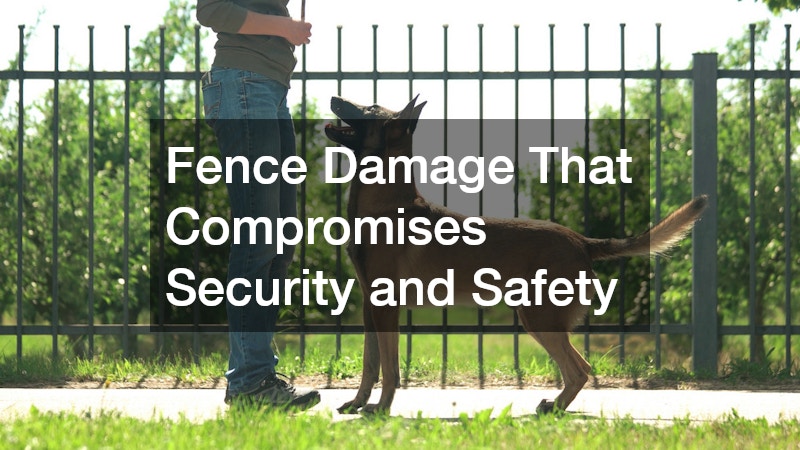 Fences do more than mark property lines; they keep children and pets safe, provide privacy, and contribute to curb appeal. Leaning posts, rotting wood, or rusted metal panels are signs that a fence has weakened and may not hold up in the next storm. A damaged fence can also become a liability if it collapses onto a neighboring property or injures someone passing by.
When repairs are no longer practical, planning a new fence installation gives you the opportunity to choose more durable materials suited to your climate and needs. Vinyl, composite, and treated wood each offer different maintenance requirements and lifespans worth considering. Taking the time to plan the project properly now can prevent repeated repairs down the road.
- Leaning or wobbling fence posts
- Visible rot, splintering, or rust
- Gaps large enough for pets to escape
- Sections that no longer align or close properly
Protecting Outdoor Living Spaces from Weather Damage
Outdoor structures that provide shade and shelter take a beating from sun, wind, and rain over time, and small tears or mechanical failures can escalate quickly. Retractable awnings that stick, sag, or fail to retract fully are often dealing with worn motors, damaged fabric, or misaligned tracks. Ignoring these issues can lead to torn fabric flapping in wind or a frame that bends under pressure during a storm.
Regular inspection of the frame, fabric, and mechanical components helps catch problems before they require a full replacement. Cleaning fabric periodically and checking for mildew also extends the lifespan of the structure significantly. Addressing minor issues promptly keeps outdoor living spaces functional and safe for years longer.
- Fabric tears, fading, or mildew buildup
- Motor struggling or failing to retract the awning
- Bent or loose support arms
- Water pooling on the fabric instead of draining off
Garage Storage Problems That Create Safety Risks
A disorganized garage isn’t just an eyesore; it can create genuine safety hazards, especially when heavy items are stacked precariously or flammable materials are stored improperly. Sagging shelves, overloaded storage units, or items blocking emergency exits are all signs that your garage storage system needs reassessment. Over time, moisture and temperature swings can also weaken cheaply built shelving units, increasing the risk of collapse.
Investing in sturdy, well-designed garage cabinets creates a safer and more functional space by keeping tools, chemicals, and equipment organized and off the floor. Look for units with secure mounting, weight ratings appropriate for your storage needs, and proper ventilation for any stored chemicals. A well-organized garage also makes it easier to spot other maintenance issues, like water intrusion or pest activity, before they become bigger problems.
- Sagging or overloaded shelving units
- Chemicals stored without proper ventilation
- Items blocking walkways or exits
- Cabinets showing signs of water damage or warping
Home systems rarely fail without warning, and learning to recognize the early signs of trouble puts you in control before small issues become expensive emergencies. Regular inspections, prompt attention to unusual noises or odors, and a willingness to call in qualified help when needed are the best defenses against costly damage. Take a walk through your home this week and check for the warning signs outlined above, then address anything that seems off before it becomes a true emergency.
