

Homes built before 1980 carry a particular kind of charm — and a particular kind of risk. The bones may be solid, the craftsmanship genuine, but the systems running behind those walls were designed for a different era. Many owners of older homes mistake the absence of visible failure for structural health. That’s a costly assumption. Some of the most serious problems in aging homes are quiet ones, developing slowly until a minor repair becomes a major project. Knowing which warning signs demand professional evaluation — not a weekend fix — can be the difference between a $2,000 repair and a $25,000 gut renovation.
Electrical Systems That No Longer Meet Modern Demands
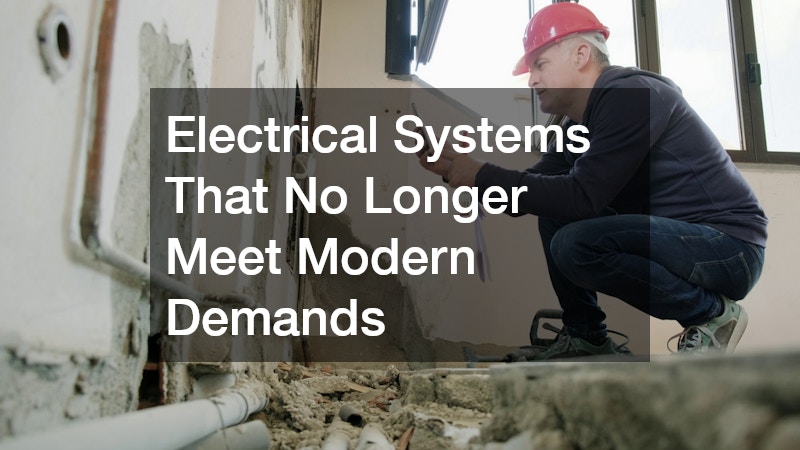
Homes built before the 1970s were often wired for 60-amp service, a capacity designed when households ran a refrigerator, a few lights, and little else. Today’s homes routinely draw 200 amps or more. When an older panel is forced to carry modern loads, the results range from nuisance tripping to house fires.
Two specific systems warrant immediate professional inspection. Knob-and-tube wiring, common in homes built before the 1940s, lacks a ground wire and degrades over decades — insulation becomes brittle and cracks, often hidden inside wall cavities. Aluminum wiring, used widely in homes built between 1965 and 1973 as a cheaper alternative to copper, expands and contracts differently than the connections it joins, creating loose contacts that generate heat.
Signs you’re dealing with either problem include:
- Breakers that trip more than once a month under normal household loads, particularly on circuits feeding kitchens or home offices
- Outlets or switch plates that feel warm to the touch, or that show any discoloration around the faceplate
- A fuse box rather than a breaker panel, especially one that shows signs of amateur modification such as mismatched fuse sizes or double-tapped breakers
A licensed electrician — not a general handyman — should assess these. Many homeowner’s insurance policies now require documentation of electrical upgrades in homes past a certain age before renewing coverage.
Foundation and Structural Movement You Shouldn’t Dismiss
Not all cracks mean structural failure, but knowing which ones do requires more than a visual inspection. Hairline cracks running vertically in poured concrete foundations are often the result of normal curing shrinkage. Horizontal cracks in block foundations are a different matter entirely — they indicate lateral soil pressure and can signal that a wall is actively bowing inward.
The practical distinction homeowners need to make: monitor versus act. A crack that has been stable for years and shows no associated door or window misalignment can often be sealed and watched. A crack that has widened noticeably within a single season, or any crack accompanied by doors that no longer latch properly or floors that have developed a new tilt, moves from the monitoring category into professional assessment territory immediately.
One clear scenario where waiting is genuinely dangerous: a basement wall showing horizontal cracking at or near mid-height, combined with visible inward deflection. Structural engineers have documented cases where walls in this condition fail within a single freeze-thaw cycle after the crack first appears. A structural engineer’s inspection typically runs $300 to $700 — a fraction of the cost of wall replacement, which can reach $15,000 or more depending on the method.
Check door frames for square by measuring corner-to-corner diagonally. A difference greater than 1/4 inch between the two diagonal measurements suggests the frame — and possibly the structure around it — has shifted beyond normal settling.
Plumbing Materials With a Known Expiration Date
Older homes ran on plumbing systems built to last decades, and many of them have outlasted their design life. The material matters enormously here.
Galvanized steel pipes, used widely through the 1960s, corrode from the inside out. Externally they may look functional; internally, rust and mineral buildup can reduce a pipe to a fraction of its original diameter. The first sign is often reduced water pressure at fixtures farthest from the main supply, combined with brown or rust-colored water after periods of low use.
Polybutylene pipe presents a different risk profile. Installed in millions of homes between roughly 1978 and 1995, polybutylene reacts with chlorine in municipal water supplies and develops micro-fractures over time. The failure pattern is unpredictable — pipes can hold for years and then rupture without warning, typically inside walls or under slabs where the leak isn’t discovered until damage is extensive.
DIY versus professional assessment here: homeowners can identify visible pipe materials in accessible areas like basements and under sinks. Polybutylene is typically gray, blue, or black with fittings stamped “PB2110.” Galvanized pipe is dull gray and will show surface rust at joints. But determining the full extent of either system — and the safest replacement approach — requires a licensed plumber. Partial replacement of polybutylene is not recommended; it leaves compromised pipe in place and may not satisfy insurance requirements.
Roof and Attic Conditions That Signal Immediate Risk

Roofing problems in older homes rarely advertise themselves until water is already inside the structure. By the time a stain appears on a ceiling, the damage above it has typically been progressing for months.
Inspect the attic directly rather than waiting for interior signs. Daylight visible through roof decking, soft or spongy sheathing when pressed, and active moisture — even in dry weather — all indicate a system that needs professional attention before the next rain event.
Age alone is a legitimate trigger for inspection. Asphalt shingle roofs carry a typical service life of 20 to 25 years. A roof approaching or past that range on a home that’s changed hands multiple times may have had repairs layered over original materials, creating weight and ventilation problems that aren’t visible from ground level.
The comparison that matters most for older homes: repair versus full replacement. A roof with isolated damage to less than 30% of its surface area and solid underlying sheathing is generally a repair candidate. One with widespread granule loss, multiple layers of existing shingles, or deteriorating flashings around chimneys and vents is almost always a replacement candidate — and delaying that decision multiplies interior repair costs.
Lead Paint and Asbestos in Disturbance-Prone Areas
Homes built before 1978 may contain lead-based paint. Homes built before the mid-1980s may contain asbestos in floor tiles, pipe insulation, textured ceiling finishes, and HVAC duct wrap. Neither material poses serious risk when left undisturbed and intact. The danger comes from renovation, deterioration, and disturbance.
The EPA’s Renovation, Repair and Painting rule requires certified contractors for work disturbing more than six square feet of painted surface per room in pre-1978 homes — a regulation that applies to paid contractors, not DIY work, but one that reflects the established risk threshold. Homeowners undertaking their own work should treat any painted surface in a pre-1978 home as potentially lead-contaminated until tested.
Testing practical steps:
- Use an EPA-recognized lead test kit (available for $10 to $30 at hardware stores) before sanding, cutting, or removing any painted surface in a pre-1978 home
- For suspected asbestos in floor tiles or ceiling texture, collect a small sample using the guidance in EPA documentation and send it to a certified lab — costs typically run $25 to $50 per sample
- If either material tests positive in a disturbance-prone area, hire a licensed abatement contractor rather than attempting a restoration service approach; professional abatement includes proper containment, removal, and disposal that DIY methods cannot safely replicate
Asbestos in good condition that won’t be disturbed is often better encapsulated than removed — a judgment call that requires a licensed inspector, not a contractor with a financial interest in removal.
When Professional Evaluation Protects More Than the House
The pattern across nearly every category above is the same: the cost of professional assessment is a small fraction of the cost of delayed action. A $400 structural engineer visit that catches an actively bowing basement wall prevents a repair that commonly runs $8,000 to $20,000. An electrical inspection that identifies knob-and-tube wiring before a renovation begins prevents both a failed permit inspection and the liability of undisclosed hazardous systems at resale.
Older homes are not inherently problem-prone — many were built to standards that have outlasted the homes built in the decades that followed. But they require owners who understand the difference between cosmetic aging and functional decline. Any of the signs described above should be treated as a trigger for professional evaluation, not a project to schedule when time allows. The window between early warning and active failure in aging systems is often much shorter than it appears.
