

A home renovation can transform your living space, but the construction process can quickly create clutter, dust, and limited room to move around. Furniture, appliances, decorations, clothing, and other household belongings may need to be relocated while contractors work on walls, floors, ceilings, or other areas of the property. Without a plan for where these items will go, it can become difficult to keep your home organized and protect your belongings from accidental damage.
Smart storage planning before renovation work begins can make the entire process more manageable. By deciding what to keep, move, cover, or store elsewhere, homeowners can create clear work areas while keeping essential belongings accessible. The right approach can also reduce unnecessary moving, prevent items from getting misplaced, and help protect possessions from construction dust, moisture, debris, and other potential hazards.
Why Is Storage Important During a Home Renovation?
Every renovation is different, so the amount and type of storage you need will depend on the size of the project and the rooms being remodeled. A bathroom renovation may require only a small temporary storage area, while a whole-home remodel could require furniture storage, off-site containers, or a dedicated space for household items.
Before construction begins, take inventory of your belongings and determine which items you will need throughout the project. Everyday essentials should remain easy to access, while fragile, valuable, or rarely used possessions can be moved to a more secure location. Labeling boxes and grouping similar items together can also make it much easier to find what you need later.
How Can You Keep Your Home Organized During Construction?
Good storage is about more than simply putting belongings into boxes. You also need to consider how construction will affect access to different rooms and how dust and debris could reach nearby items. Using protective covers, sturdy containers, shelving, and designated storage areas can help create a cleaner and more organized environment throughout the renovation.
In this guide, we’ll explore practical storage ideas to keep your home organized during renovation, from preparing your belongings and choosing suitable storage options to protecting furniture and maintaining access to everyday essentials. With thoughtful planning, you can minimize clutter, protect your possessions, and make the renovation process easier to manage from start to finish.
Assessing What Needs to Be Stored Before Renovations Begin

Identify Items That Must Be Relocated or Protected
Before any renovation begins, it’s crucial to identify which items must be moved out of the work area. Large furniture, electronics, fragile items, artwork, rugs, and décor should always be removed from spaces where dust, vibration, or accidental impact could cause damage. Begin by walking through each room and noting items that could be at risk. Prioritize items with high sentimental or monetary value.
These decisions are easiest when made before the project starts rather than scrambling once contractors arrive. In many homes, heavy or bulky belongings require more than just a second pair of hands, and this is often when homeowners hire movers to safely transport oversized, delicate, or cumbersome items out of harm’s way. Movers can also provide specialized packing materials, dollies, and other equipment that make relocation safer and more efficient.
Separate Daily-Use Essentials From Long-Term Storage Items
Once you identify what needs to be moved, begin separating items based on how often you use them. Essentials such as dishes, toiletries, small electronics, work-from-home tools, and everyday clothing should remain accessible throughout the renovation. Everything else can be packed and stored for several weeks or months.
Creating categories helps avoid clutter and reduces the number of items circulating through temporary living spaces. To further simplify, label boxes clearly with their contents and intended storage location. When homeowners need quick assistance shifting boxes or furniture into more suitable areas, a local mover can step in to handle the lifting and prevent damage to belongings or the home.
Creating a Temporary Storage Plan That Supports Your Project Timeline

Map Out Storage Based on Room-by-Room Renovation Phases
A successful renovation storage plan aligns with the project timeline. If contractors will be moving from room to room, plan your storage strategy in phases. For example, if the kitchen remodel begins first, focus on packing and storing kitchen items before turning your attention to the living room or bedrooms. This approach minimizes disruptions to your routine and prevents the feeling of chaos as multiple projects progress simultaneously.
Homeowners planning complex, multi-room renovations sometimes coordinate with moving companies to help relocate items in stages, ensuring the home stays organized throughout the entire process. Working with professionals can reduce the risk of items being damaged during transitions, especially for delicate or bulky furniture.
Decide What Stays Accessible and What Can Be Stored Off-Site
Not every item needs to stay in the home during renovations. Large seasonal belongings, occasional-use items, and collections can be stored off-site to clear space and reduce clutter, keeping the home safer, more organized, and easier to navigate throughout the construction process.
Some strategies for deciding what stays accessible:
- Essential items: Cooking tools, cleaning supplies, personal hygiene items, and electronics you need daily.
- Optional items: Books, decorative pieces, and non-essential tools that you can live without during construction.
- Special items: Fragile or valuable possessions that may require secure off-site storage.
Keeping high-frequency items accessible—like cleaning supplies, basic cookware, medications, and chargers—helps maintain comfort during construction periods. Some homeowners choose professional help when determining what should remain nearby and what can be relocated, and a moving service can provide transport to local or long-term storage facilities as needed.
Using Short-Term Storage Units the Right Way
Choose the Correct Unit Size and Climate Protection Level
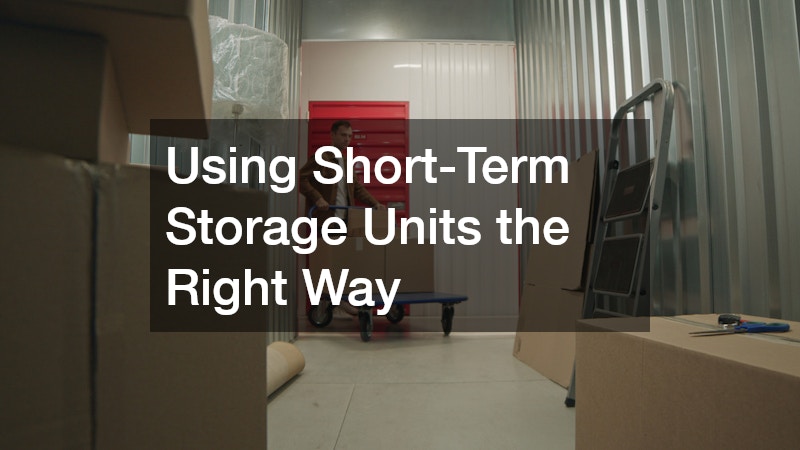
Short-term storage units are ideal for keeping items safe and out of the way during renovations. Choosing the right unit requires careful thought: consider what you plan to store, how fragile those items are, and how long they will be in storage. Climate control becomes important when storing electronics, documents, heirlooms, or wooden furniture.
Selecting the correct unit size is equally important. Units should provide enough room to:
- Walk around freely inside
- Add shelving for vertical storage
- Access boxes without constant reshuffling
When coordinating transportation to the unit, many homeowners work with a local moving company to ensure safe and efficient relocation. These professionals can help move bulky furniture and delicate items without damage, saving homeowners both time and stress.
How to Organize a Storage Unit for Easy Access Later
Once your belongings are inside the unit, effective organization becomes essential. Items you expect to need sooner should be placed near the front, while long-term items can be stored in the back. Use sturdy shelving to take advantage of vertical space, label boxes clearly on multiple sides, and create an inventory list.
Some additional tips:
- Keep pathways in the unit clear to prevent accidents
- Place heavier items on the bottom and lighter ones on top
- Use pallets to elevate items off the floor for moisture protection
These strategies prevent frustration later and reduce the time spent searching through stacks of boxes. Some homeowners choose professional assistance when stacking and arranging items inside the unit, and a moving business can help with proper placement and secure storage methods.
Protecting Valuables and Sensitive Items During Construction
Safe Handling for Fragile or Sentimental Items
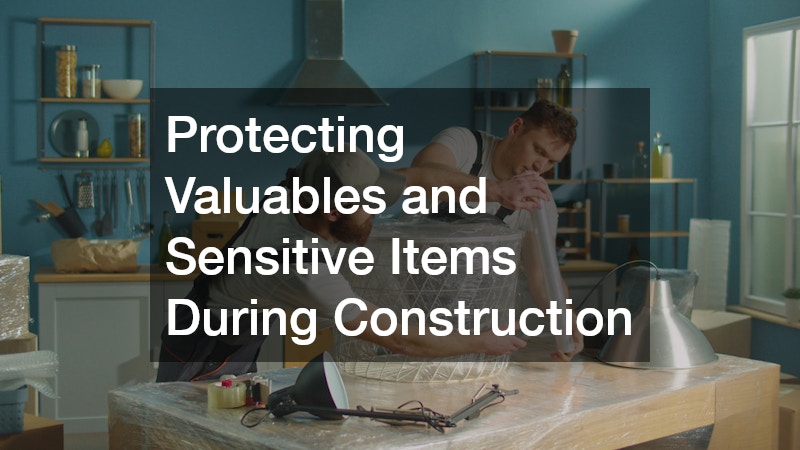
Fragile items such as glassware, antiques, collectibles, and family heirlooms require special care during renovations. Use bubble wrap, padded blankets, and sturdy boxes designed for breakable objects. Label boxes clearly and handle them with care, particularly during transportation.
For homeowners who may not have the time, equipment, or expertise to protect delicate possessions, hiring professionals is often the safest choice. A senior moving company specializes in careful handling of fragile and valuable items, ensuring they reach their destination intact while minimizing the risk of damage in transit.
Creating a Protected Zone Inside the Home for High-Value Items
Not all valuables need to be moved off-site. Some can remain inside the home in a protected area, away from active renovation zones. Consider designating a secure room with minimal exposure to dust and foot traffic, adding sealed containers, shelves, or cabinets to further safeguard items and keep them organized.
Additional precautions include:
- Covering furniture with dust-proof sheets
- Using elevated shelving to avoid water or debris damage
- Sealing boxes with tape to prevent accidental opening
When temporary reorganization becomes necessary, homeowners sometimes rely on local moving services to help shift heavy or awkward objects without causing damage, ensuring items remain protected, properly positioned, and easy to access during ongoing renovation work.
Making the Most of On-Site Storage Options
Using Garages, Basements, and Closets Without Disrupting Renovation Flow
On-site storage areas such as garages, basements, closets, and spare rooms can be extremely helpful—provided they are used efficiently. The goal is to keep pathways clear and ensure contractors still have space to work safely.
Tips for maximizing on-site storage:
- Add temporary shelving units for vertical storage
- Stack bins by size and frequency of use
- Use clear containers for easy identification of contents
When reorganizing these areas, many homeowners need additional muscle, and teams from local moving companies can help strategically arrange belongings to maximize available space, prevent damage, optimize accessibility, and ensure items are stored safely for the duration of renovations.
Portable Storage Containers as Flexible, Weather-Resistant Solutions
Portable storage containers offer a secure, convenient option that keeps belongings close without cluttering the home. These containers can be delivered to your driveway, loaded at your own pace, and stored on-site or transported to a facility.
Benefits include:
- Weather protection for sensitive items
- Easy accessibility compared to distant storage facilities
- Flexibility to move as renovation phases shift
Many homeowners appreciate the convenience of loading support, and moving services can assist with heavy lifting, careful stacking, and safe packing.
Smart In-Home Storage Strategies to Maintain Daily Life During Renovations
Creating Temporary Living Zones Within Limited Space
Renovations often limit usable living areas, making it essential to create temporary zones for eating, working, relaxing, and sleeping. A spare bedroom might double as a mini living room, while part of the dining room could temporarily serve as a workstation.
Tips for functional temporary spaces:
- Keep only essential items within reach
- Use foldable furniture to save space
- Create designated storage bins for daily-use items
When rearranging large furniture to support these temporary zones, many homeowners hire movers to ensure heavy pieces are placed safely and efficiently.
Using Vertical Storage and Modular Systems for Maximum Efficiency
Vertical storage becomes a lifesaver during renovations. Tension rods, floating shelves, stackable bins, pegboards, and rolling carts help maximize limited space while keeping clutter under control.
Tips for vertical organization:
- Use clear bins for quick identification
- Add labels on multiple sides
- Rotate items seasonally to free up floor space
If heavy or awkward items need to be moved to create space for vertical or modular systems, a local mover can help safely reposition belongings without damaging walls or floors.
Packing and Labeling Strategies That Make Unpacking Easier
How to Create a Color-Coded Labeling System
A color-coded labeling system is one of the most efficient ways to stay organized before, during, and after a renovation. Assign different colors to categories such as kitchenware, linens, electronics, seasonal items, and children’s belongings. Label both the top and sides of boxes so items can be identified from any angle.
Many of these techniques align with organizational practices used by moving companies, making packing more streamlined and intuitive.
Packing Items by Function Instead of Room
While packing by room is common, packing by function can be more helpful during renovations. For example, group together “work-from-home essentials” or “daily toiletries” rather than simply packing items from the office or bathroom.
Additional tips:
- Use sturdy boxes with handles for heavy items
- Place lighter items on top of heavier ones
- Include padding between fragile items
If you need to transport these sorted boxes to temporary storage, a moving service can ensure everything is handled efficiently and with care, using proper packing techniques, protective materials, and organized loading for safe, damage-free transport.
Long-Term Organization Tricks for Homes Undergoing Multi-Month Projects
Rotating Items In and Out of Storage as Renovation Areas Change
If your renovation spans several months, stored items may need to be rotated depending on which rooms are being worked on. For example, once the kitchen is complete, those items can move back in while bedroom items are moved out.
Additional strategies:
- Keep a calendar of room completion dates
- Mark boxes with rotation priority
- Maintain clear pathways for easy movement
When this process involves heavy lifting or multiple stages of relocation, homeowners often rely on a local moving company to assist with ongoing transitions.
Maintaining an Inventory of Stored Belongings
Keeping track of what you have stored—and where—is essential during long or complex renovations. Create a digital or written inventory that includes box numbers, descriptions of contents, and storage location. Apps and photo logs make it easier to reference items without unpacking.
This inventory ensures nothing is misplaced and helps you stay organized during every stage of the project. Some homeowners even model their system after professional methods used within a moving business, which provides inspiration for clear and efficient cataloging practices.
Make Renovation Cleanup and Organization Easier
Keeping your belongings organized throughout a renovation can make a major difference in how comfortable and manageable the project feels. A little preparation before construction starts can help you avoid misplaced items, protect furniture and valuables, and make it easier to access the things you use every day.
As the work progresses, continue adjusting your storage setup to match the changing needs of the project. Keep important items clearly labeled, maintain clear pathways, and regularly check that stored belongings remain protected from dust, debris, and accidental damage. If your available space becomes limited, temporary off-site storage can provide additional flexibility.
Once construction is complete, having an organized system in place will also make unpacking and settling back into your home much easier. With careful planning and consistent organization, you can reduce the disruption of renovation and enjoy your newly improved space with less stress.
