

Renovation projects almost always come with a list of decisions that feel optional in the moment but turn into regrets down the road. Homeowners often focus on what is visible and immediate, like paint colors or countertop finishes, while overlooking the systems and structures that quietly determine how well a house holds up over time. Five years after a renovation, the choices that get skipped to save money or time tend to resurface as expensive repairs or daily frustrations.
This article walks through the renovation decisions that are easiest to postpone and hardest to regret ignoring, so you can plan a project that still feels like a good decision years from now.
Ignoring the Roof During a Larger Renovation
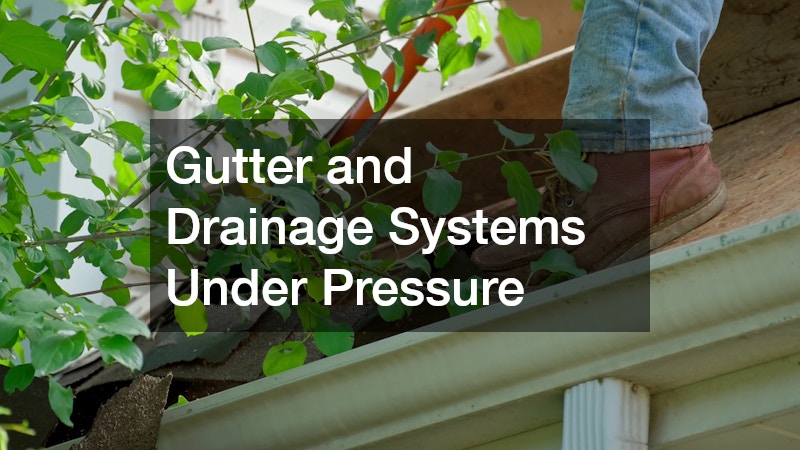
When homeowners plan a renovation, they often budget for kitchens, bathrooms, and living spaces while assuming the roof can wait another few years. This is a common mistake because a roof nearing the end of its lifespan can undermine every other improvement made to the home. Water intrusion from an aging roof can damage new drywall, insulation, and flooring long before those materials would otherwise need replacing.
Bringing in roofers for an inspection before you finalize your renovation budget can save you from tearing into freshly finished work later. A professional assessment will tell you whether you have three years or ten years of life left in your current roofing system, which changes how you prioritize your spending.
- Ask roofers to check flashing around chimneys and skylights during any exterior renovation
- Request a written estimate of remaining roof lifespan, not just a repair quote
- Consider roofing timing alongside attic insulation upgrades for better energy efficiency
- Document any minor leaks now, since they often precede larger failures
Overlooking the Septic System Before Interior Upgrades
Homeowners who add bathrooms, laundry rooms, or extra bedrooms during a renovation often forget that these additions increase the daily load on their septic system. A system sized for a three-bedroom home can struggle when a fourth bedroom or an extra bathroom is added without any evaluation of capacity. This oversight rarely causes problems immediately, which is exactly why it gets skipped, but it tends to surface as slow drains or backups a few years later.
Scheduling septic tank services before finalizing plans for additional plumbing fixtures is one of the simplest ways to avoid a costly surprise. A technician can pump, inspect, and assess whether your current tank and drain field can handle the increased demand, or whether an upgrade should be part of your renovation budget from the start.
- Have septic tank services performed before adding bedrooms or bathrooms
- Ask about drain field capacity relative to your household size after renovation
- Keep records of pumping schedules to spot changes in system performance
- Avoid planting trees near the drain field during landscaping updates
Skipping a Backflow Test When Updating Plumbing or Irrigation
Renovations that touch outdoor irrigation, sprinkler systems, or main water lines often skip a step that seems purely bureaucratic but actually protects your household water supply. Backflow system testing confirms that contaminated water cannot flow backward into your clean water lines, which becomes especially important after any plumbing modification. Many municipalities require this testing after certain renovations, yet homeowners sometimes let it slide when contractors do not bring it up.
Skipping backflow system testing does not usually cause an immediate problem, but it can lead to code violations discovered during a future home sale or insurance inspection. Scheduling this test alongside other plumbing work is far less disruptive than addressing it in isolation years later.
- Confirm whether your local code requires backflow system testing after irrigation changes
- Test backflow preventers annually even if no recent renovation occurred
- Keep testing documentation with your other home maintenance records
- Ask your plumber whether new fixtures affect your backflow prevention needs
Choosing Cheap Siding to Save Money Upfront

Exterior renovations often come down to a tradeoff between upfront cost and long-term durability, and siding is one area where cutting corners tends to backfire. Lower-grade materials may look acceptable for the first year or two, but they often fade, warp, or crack well before higher-quality options would show any wear. This becomes particularly noticeable in climates with significant temperature swings or heavy sun exposure.
Investing in professional siding installation with materials rated for your specific climate can prevent a second renovation project sooner than expected. Fiber cement, quality vinyl, and engineered wood products vary widely in price, but the cheapest option rarely holds up as well as mid-range materials installed correctly. A good installer will also address moisture barriers and proper flashing, which matter as much as the siding material itself.
- Ask about warranty length and what voids it during siding installation
- Choose materials rated for your regional climate and sun exposure
- Confirm moisture barrier installation is included, not just the visible siding
- Compare long-term maintenance costs, not just the initial price per square foot
Delaying Driveway and Walkway Repairs During Exterior Work
When homeowners renovate the exterior of a home, driveways and walkways often get pushed to a future project because they still seem functional. Cracks and drainage issues tend to worsen gradually, though, and what starts as a cosmetic issue can become a safety hazard or a source of water pooling near the foundation. Addressing pavement while other exterior work is already underway is usually more efficient and less disruptive than doing it separately.
Bringing in an asphalt paving company during a broader renovation allows for better coordination of grading, drainage, and material matching across the property. This timing also reduces the number of times heavy equipment needs to access your yard, which limits disruption to newly landscaped areas.
- Ask an asphalt paving company to assess drainage slope, not just surface cracks
- Repair pavement before finishing landscaping to avoid redoing groundwork
- Request sealcoating schedules to extend the life of new asphalt
- Coordinate paving timing with other exterior contractors to reduce repeat site visits
Postponing a Full Assessment Before Major Renovations Begin
Many homeowners jump straight into demolition or design selection without a comprehensive assessment of the home’s structural and mechanical systems. This approach can feel efficient at first, especially when there’s excitement about new finishes or a fresh layout, but skipping the assessment often means discovering electrical, plumbing, or structural issues mid-project.
Once walls are opened up, contractors frequently find outdated wiring that doesn’t meet current code, galvanized pipes corroded from the inside, or load-bearing walls that complicate an “easy” open-concept plan. Any one of these surprises can add thousands of dollars to a budget and stall a project for weeks while permits, materials, and specialists are sourced. What should have been a two-month home remodeling job can easily stretch into four or five months once hidden problems surface.
A thorough walk-through before any renovation begins helps catch these issues while they’re still manageable and inexpensive to address. This should include checking the age and condition of the electrical panel, testing water pressure and pipe material, inspecting the attic and crawlspace for moisture or pest damage, and confirming which walls actually bear weight. Bringing in a structural engineer or licensed inspector for an hour or two upfront costs far less than the change orders that come from mid-demolition discoveries.
Skipping a full property assessment before demolition begins is one of the costliest mistakes homeowners make. Professionals involved in home remodeling can identify outdated wiring, insufficient insulation, or aging plumbing that should be addressed before cosmetic changes are made. A qualified inspector might spot 1970s-era aluminum wiring behind a wall you planned to simply repaint, or discover galvanized pipes corroding beneath a kitchen slated for new flooring.
These findings matter because building materials and systems have a shelf life. Insulation older than 15-20 years often underperforms, driving up energy bills regardless of how new your windows or siding look. Cast iron plumbing typically lasts 50-75 years before it becomes prone to leaks, and if your home is approaching that age, opening walls for other reasons is the ideal moment to inspect it.
Fixing these underlying issues first, even though they are less visually rewarding, protects the investment made in the finishes that follow. Installing custom cabinetry or hardwood floors over a foundation with unresolved moisture problems, for instance, can mean redoing that work within a few years. A thorough pre-renovation assessment—covering electrical capacity, HVAC condition, structural integrity, and water intrusion—typically costs a few hundred dollars but can save thousands in rework, mold remediation, or emergency repairs down the line.
- Request a full systems check — electrical, plumbing, HVAC, and roofing — before finalizing any home remodeling design
- Hire a licensed inspector to evaluate foundation and structural elements, since hidden issues here are the costliest to fix later
- Prioritize structural and mechanical fixes over cosmetic upgrades when budgets are tight; a new kitchen loses its appeal fast if wiring behind the walls is failing
- Ask contractors to flag any code compliance issues discovered during walk-throughs, especially around permits, egress windows, and load-bearing changes
- Keep a contingency fund of at least ten to fifteen percent of your total budget for unexpected findings
- Document assessment results in writing so future buyers or inspectors have a clear record of what was addressed
Adding a Pool Without Planning for Long-Term Maintenance
Backyard renovations frequently include a pool, and above ground pool installation has become a popular choice because it costs less upfront than an in-ground option. Homeowners sometimes treat this as a simpler decision than it actually is, though, skipping considerations like proper site leveling, drainage, and long-term filtration needs. These shortcuts rarely cause problems in the first season but tend to create maintenance headaches by year three or four.
Working with an experienced installer for above-ground pool installation ensures the ground is properly prepared, and the structure is set up to handle years of seasonal draining and refilling. Homeowners should also budget for ongoing costs like liner replacement, pump maintenance, and winterization, which add up over time even for a smaller pool.
- Confirm site grading and drainage before above-ground pool installation begins
- Budget for liner replacement every seven to ten years depending on usage
- Ask about winterization requirements specific to your climate
- Consider deck or fencing needs alongside the pool itself for safety and access
Ignoring Water Damage Signs Before Closing Up Walls
During renovations, walls get opened up in ways they rarely are otherwise, which creates a valuable but often wasted opportunity to check for hidden moisture problems. Homeowners eager to finish a project sometimes close up walls without fully addressing minor staining, soft spots, or musty odors, assuming they are cosmetic or unrelated to the current project. These signs frequently indicate a slow leak or past water event that will only worsen once sealed behind new drywall.
Calling in water damage companies for an assessment before closing up walls costs relatively little compared to the expense of remediation after mold has spread. These specialists can identify moisture sources that are not obvious to the untrained eye and confirm that materials are fully dry before new insulation or drywall goes in.
- Ask water damage companies to test moisture levels before finishing any wall
- Address the source of moisture, not just the visible staining
- Use mold-resistant drywall in areas prone to humidity
- Keep documentation in case future insurance claims require proof of remediation
Neglecting Garage Door Function During Exterior Upgrades

Garage doors are easy to overlook during a renovation because they are mechanical rather than aesthetic, and they often keep working in some fashion even when they need attention. A door that sticks, closes unevenly, or makes unusual noises is frequently left alone until it fails completely, which tends to happen at an inconvenient time. Since garage doors are also a major entry point into the home, ignoring their condition can affect both security and energy efficiency.
Scheduling garage door repairs alongside other exterior renovation work allows you to address worn springs, damaged panels, or outdated openers while contractors are already on site. This is also a good time to evaluate insulation within the door itself, which can meaningfully affect temperature control in an attached garage.
- Request garage door repairs for worn springs or cables before they fail completely
- Check weatherstripping and insulation levels during exterior renovation projects
- Test automatic openers and safety sensors annually
- Match new garage door styles to updated siding or exterior color schemes
Choosing Standard Window Coverings Over a Tailored Fit
Window treatments are often one of the last decisions made in a renovation, sometimes chosen quickly from off-the-shelf options simply to finish the project. Standard sizes rarely fit newly installed or reconfigured windows perfectly, which leads to gaps that affect both privacy and energy efficiency. This is a decision that seems minor during the renovation but becomes a daily annoyance once the project is complete.
Custom blinds designed for the exact dimensions of your windows provide a cleaner look and better light control than generic alternatives, and they tend to last longer under regular use. While the upfront cost is higher, homeowners who choose custom Blinds during a renovation often avoid the frustration of replacing ill-fitting coverings within a year or two.
- Measure windows after installation is fully complete, not before
- Consider custom Blinds for irregular or oversized window openings
- Choose materials that match the room’s humidity level, especially in bathrooms
- Factor in motorization options if accessibility is a long-term concern
Conclusion
The renovation decisions that feel skippable in the moment are often the ones that shape how satisfied you are with your home years later. Taking the time to address roofing, plumbing, structural, and exterior systems alongside the more visible upgrades protects both your investment and your daily comfort. Before finalizing your next renovation plan, walk through this list and identify which items you might be tempted to postpone. A little extra planning now can prevent a much larger and more expensive project five years down the road.
