
A backyard renovation can either be smart money or a costly mistake, depending on where you put your dollars. Many homeowners assume the biggest, flashiest projects deliver the best return, but appraisers and real estate agents often point to smaller, functional upgrades as the real value drivers. Before you start knocking down fences or digging up flower beds, it helps to know which improvements buyers actually notice and which ones simply drain your savings. This guide breaks down budget-friendly backyard upgrades that boost curb appeal, protect your investment, and genuinely raise resale value.
Fix Drainage Problems Before They Become Deal Breakers
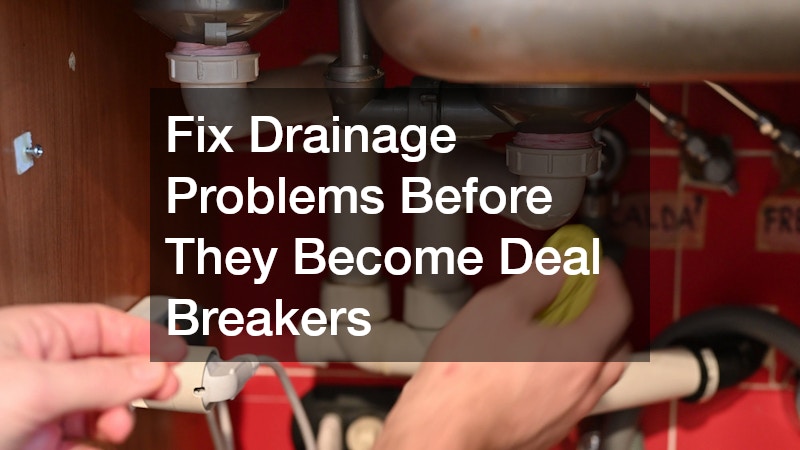
Standing water, soggy lawns, and a musty basement smell are red flags that send buyers running, and they are also some of the cheapest problems to solve early. A yard that slopes toward the foundation instead of away from it can quietly cause thousands of dollars in structural damage over time. Addressing grading issues and extending downspouts is inexpensive compared to the alternative of foundation repair.
If your property already has a sump pump, keeping it in working order should be a routine part of home maintenance rather than an afterthought. Scheduling sump pump repair before the rainy season hits can prevent flooding that scares off buyers during a showing and shows up on inspection reports. A functioning drainage system is one of those invisible upgrades that buyers rarely think about until it fails.
- Regrade low spots so water flows away from the house
- Extend downspouts at least four to six feet from the foundation
- Test your sump pump annually and replace worn check valves
- Add a French drain in chronically wet areas of the yard
Update the Entryway’s Most Overlooked Feature
The garage door is one of the largest visual elements on the front of most homes, yet it is frequently overlooked during backyard and exterior upgrades. A worn, dented, or outdated garage door drags down curb appeal even if the rest of the property looks pristine. Replacing it with a modern, energy-efficient model is consistently ranked among the highest return-on-investment projects in national remodeling reports.
If a full replacement is not in the budget, a fresh coat of paint, new hardware, or updated weatherstripping can make an old garage door look nearly new. Buyers notice mismatched or peeling exteriors quickly, and a garage door in poor condition can make them wonder what else on the property has been neglected. This is a project that pays off in both function and first impressions.
- Choose insulated doors for better energy efficiency
- Match the door style to your home’s architecture
- Repaint or refinish rather than replace if the structure is sound
- Upgrade to a quieter, smoother opener system
Illuminate Outdoor Spaces to Extend Usability
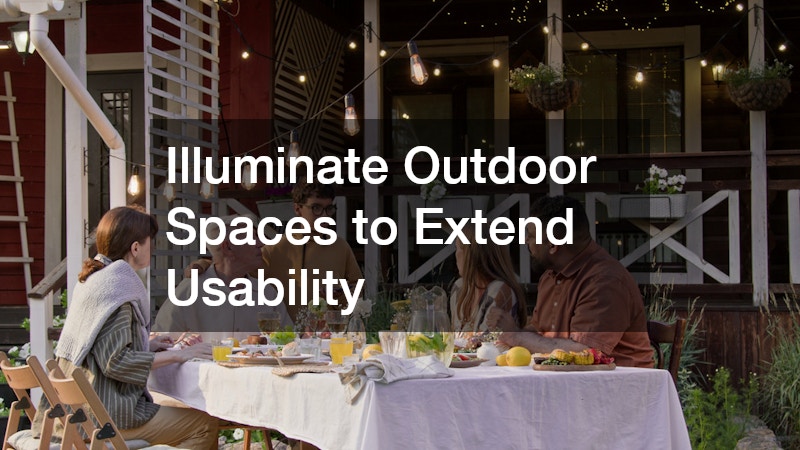
Good lighting transforms a backyard from a daytime-only space into an area that can be enjoyed morning, evening, and night. Professional exterior lighting installation highlights architectural features, walkways, and landscaping while also improving safety around steps and uneven terrain. Buyers touring homes in the evening are especially influenced by how warm and inviting a well-lit yard feels compared to a dark, uninviting one.
Lighting upgrades do not have to be expensive to make an impact. Solar-powered path lights, motion-sensor floodlights, and string lights over a patio are all affordable options that create ambiance without a major electrical overhaul. For homeowners wanting a more polished look, low-voltage landscape lighting systems offer flexibility and can be installed with minimal disruption to existing landscaping.
- Highlight pathways, steps, and entry points for safety
- Use motion-sensor lights near garages and side entrances
- Add uplighting on mature trees or architectural features
- Consider smart timers to automate on and off schedules
Maintain Your Yard’s Defense Against Pests
Nothing kills a home sale faster than a buyer spotting evidence of termites, rodents, or ants during a walkthrough. Regular pest control services keep infestations from taking hold in wood structures, mulch beds, and stored firewood, all of which are common backyard trouble spots. Prevention is significantly cheaper than remediation, especially when it comes to wood-destroying insects that can compromise decks, fences, and even siding.
A pest-free backyard also makes the space more enjoyable for the current homeowner, not just future buyers. Removing standing water, trimming vegetation away from the house, and scheduling seasonal treatments are simple habits that protect the property year-round. Buyers and inspectors alike view a documented pest control history as a sign of diligent homeownership.
- Store firewood away from the home’s exterior
- Trim shrubs and trees back from siding and rooflines
- Schedule seasonal inspections for termites and rodents
- Seal cracks and gaps around foundations and utility lines
Restore Worn Fencing and Decking Materials
Fences and decks take a beating from weather, and a gray, splintering deck or a leaning fence can make an entire backyard look neglected. Refinishing or staining a deck is a fraction of the cost of full replacement and can make the wood look years newer. Similarly, a fence that is cleaned, repaired, and repainted signals to buyers that the property boundary and privacy features are solid and well cared for.
Structural safety matters as much as appearance. Loose boards, wobbly railings, and rusted fasteners should be addressed immediately, both for liability reasons and because inspectors will flag them. A well-maintained deck and fence combination adds usable outdoor living space to a listing description, which is a phrase buyers actively search for.
- Power wash decking and fencing before assessing damage
- Replace only the boards that are cracked, warped, or rotted
- Reinforce loose posts and railings for safety
- Apply a weatherproof sealant every two to three years
Refresh Metal Surfaces and Painted Features
Rusted railings, faded metal furniture, and chipped paint on outdoor structures can make a backyard feel dated even if the bones of the space are solid. For homeowners with vintage cars, classic furniture frames, or metal decor stored outside, visiting local car paint shops can sometimes yield the same industrial-grade paint and finishing techniques used for automotive restoration, giving outdoor metal pieces a durable, long-lasting shine. This approach is often more affordable than buying new furniture or fixtures.
Small refresh projects like these are easy to overlook but add up to a cohesive, well-maintained appearance. A backyard with matching, rust-free railings and furniture reads as intentional and cared for rather than mismatched and neglected. This kind of attention to detail is often what separates a yard that photographs well for a listing from one that does not.
- Sand and prime metal surfaces before repainting
- Use rust-inhibiting paint for railings and furniture frames
- Match hardware finishes across the backyard for consistency
- Consider powder coating for high-traffic metal fixtures
Preserve Statues, Fountains, and Garden Ornaments

Garden statues, fountains, and decorative stonework add character to a backyard, but weather exposure causes cracking, discoloration, and moss buildup over time. Professional statue restoration can bring these features back to their original condition without the expense of replacing a piece entirely, which matters for buyers who appreciate curated outdoor design. A well-preserved focal point can anchor an entire landscaping design and photograph beautifully for listing photos.
If restoration is not necessary, simple cleaning and resealing can prevent future damage and extend the life of these features. Buyers touring a home often respond emotionally to thoughtful landscaping details, and a restored or well-kept ornament suggests the same care was likely given to less visible parts of the property. This is a smaller investment that contributes to overall aesthetic value.
- Clean stone and concrete features with a gentle, non-acidic solution
- Reseal outdoor statues annually to prevent moisture damage
- Repair small cracks before they widen with freeze-thaw cycles
- Reposition ornaments to complement updated landscaping
Evaluate Water Features for Long-Term Value

Pools and spas can be major selling points or major liabilities depending on their condition and upkeep. According to the National Association of Realtors, a swimming pool typically recoups only 30-50% of its cost in resale value, and in colder climates it can actually deter buyers who see it as an added expense rather than a perk. That’s why condition matters more than the feature itself. Working with an experienced pool builder to repair cracked tile, resurface plaster, or update outdated equipment can make a pool feel like an asset rather than a maintenance burden to a prospective buyer. Small fixes like replacing a worn pool liner, sealing hairline cracks in the decking, or upgrading to a variable-speed pump can noticeably improve both function and curb appeal without requiring a full renovation. Energy-efficient equipment is also a selling point, since buyers increasingly ask about ongoing utility and maintenance costs. In many regions, a well-maintained pool adds real value, while a neglected one can actually reduce a home’s marketability. Green or cloudy water, visible structural damage, or an aging heater can signal thousands of dollars in future repairs and scare off buyers entirely. Before listing a home, it’s worth getting a professional assessment to decide whether modest upkeep or a more significant restoration makes the most financial sense.
For homeowners considering a smaller addition, reputable spa companies offer prefabricated hot tub and spa options that cost significantly less than an in-ground pool while still adding a desirable outdoor amenity. A quality prefab spa typically runs $4,000 to $10,000 installed, compared to $35,000 or more for a basic in-ground pool, making it a far more accessible upgrade for budget-conscious homeowners. These features appeal to buyers looking for relaxation space without the higher maintenance commitment of a full pool. Unlike pools, spas require minimal chemical balancing, no seasonal opening or closing, and far less water and energy overall, which makes them attractive to buyers who want the lifestyle benefit without the upkeep. Either option should be sized appropriately for the yard so it enhances rather than overwhelms the space. A good rule of thumb is to leave at least three to four feet of clearance around the perimeter for walking space, seating, and landscaping. It’s also worth checking local permit requirements and any HOA restrictions before installation, since fencing or barrier rules often apply to both pools and spas. Positioning the feature near existing patios or decks can further reduce installation costs by minimizing the need for additional electrical or plumbing runs.
- Repair visible cracks and resurface pool interiors as needed; plaster resurfacing runs $4,000–$8,000 and can prevent costlier structural repairs later
- Update pool equipment for energy efficiency — variable-speed pumps can cut pool energy costs by up to 70% compared to single-speed models
- Compare in-ground pool costs (typically $35,000–$65,000) against prefabricated spa or plunge pool options ($10,000–$20,000) for a more budget-friendly upgrade
- Factor ongoing maintenance costs into your decision, including chemicals, cleaning, and seasonal opening/closing, which can add $1,000–$3,000 annually
- Check local buyer demand before investing, since pools boost value in warm climates but may not appeal to buyers in colder regions
- Consider liability and insurance implications, as pools often raise homeowner’s insurance premiums and may require additional fencing to meet safety codes
Address Hidden Underground Hazards Before Listing
Older homes sometimes have legacy features buried in the yard that can complicate a sale, most notably old heating oil tanks that were decommissioned but never removed. Underground oil tank removal is a critical step for these properties, since undisclosed tanks can trigger environmental liability and derail a transaction during due diligence. Many buyers and lenders now require documentation proving a tank has been properly removed or was never present.
Beyond oil tanks, it is worth having a professional survey your yard for other buried hazards like old septic systems, cisterns, or utility lines that are no longer in use. Addressing these issues before listing avoids last-minute negotiations or price reductions once a buyer’s inspection turns up a problem. Taking care of this proactively demonstrates transparency and can speed up the closing process considerably.
- Request soil testing if an old tank is suspected on the property
- Keep removal documentation for future buyers and lenders
- Check local regulations on tank removal and disposal
- Address other buried infrastructure before listing the home
Keep the Roof and Structural Exterior in Good Repair
While the roof is not technically part of the backyard, its condition directly affects how buyers perceive the overall property, including outdoor living spaces beneath it. A qualified roofer can identify small issues like missing shingles or damaged flashing before they turn into leaks that affect patios, decks, or attached structures like pergolas and sunrooms. Buyers often view roof condition as a proxy for how well the rest of the home has been maintained.
Extending this care to attached structures, such as covered patios or carports, protects your outdoor investment as a whole. A small repair now costs far less than water damage remediation later, and it keeps your backyard upgrades looking their best for years to come. Pairing roof maintenance with backyard improvements creates a more complete and convincing presentation for potential buyers.
- Schedule an annual roof inspection, especially before listing
- Repair flashing and seals around chimneys and vents
- Check attached patio or carport roofing for matching wear
- Address minor leaks before they damage adjacent structures
Increasing your home’s value does not require a massive renovation budget or a complete backyard overhaul. Instead, focus on the practical, often-overlooked upgrades that protect the property and improve everyday livability, from drainage and lighting to pest prevention and structural repairs. Start with a walkthrough of your own yard, list the issues that would concern a buyer or inspector, and tackle them in order of urgency and cost. Small, strategic investments made now can pay off significantly when it is time to sell.
