

Every home sends out warning signals long before a major system fails completely, but most homeowners do not know where to look or what those signals mean. Small issues in your plumbing, roofing, or climate control systems tend to hide in plain sight until they become expensive emergencies. Understanding which parts of your home wear out first, and why, can save you thousands of dollars and prevent the kind of surprise breakdowns that disrupt daily life. This guide walks through the most common failure points in a home and what to do about each one before it becomes a crisis.
Aging Pipes and Water Pressure Problems
Plumbing systems rarely fail all at once. Instead, they show small signs of stress for months or even years before a pipe bursts or a fixture stops working correctly. Discolored water, slow drains, and unexplained spikes in your water bill are all early indicators that something is wrong beneath your floors or behind your walls.
Waiting too long to address these symptoms often turns a simple fix into a major repair involving drywall removal or foundation work. Calling a local plumber at the first sign of trouble is almost always cheaper than waiting for a full failure. A professional can pinpoint whether the issue is isolated or a symptom of a larger, aging system that needs broader attention.
- Rusty or discolored water when you first turn on a faucet
- Water pressure that has gradually dropped over several months
- Damp spots on ceilings or walls near bathrooms and kitchens
- Gurgling sounds coming from drains after flushing
- Unusually high water bills with no change in household usage
Roofing Materials That Wear Out Faster Than Expected

Your roof takes on more environmental stress than almost any other part of your home, absorbing sun, wind, hail, and moisture year after year. Shingles that curl, crack, or lose granules are signaling that the material has reached the end of its protective life, even if there is no visible leak yet. Ignoring these signs allows water to work its way into the decking and insulation, where damage becomes far more expensive to repair.
A seasonal inspection can catch problems while they are still manageable. Experienced roofers know how to spot flashing issues around chimneys and vents that homeowners often miss from the ground. Scheduling a professional look at your roof every year or two is a small investment compared to the cost of replacing damaged decking or dealing with interior water damage.
- Granules collecting in gutters or at the base of downspouts
- Curling, cracking, or missing shingles
- Soft spots or sagging areas on the roofline
- Daylight visible through the attic boards
- Water stains spreading across ceilings after heavy rain
Heating and Cooling Systems Under Seasonal Stress
HVAC systems work hardest during the extremes of summer and winter, which is exactly when they are most likely to fail. A unit that struggles to maintain temperature, cycles on and off frequently, or produces unusual odors is telling you it needs attention. These systems typically last ten to fifteen years, but poor maintenance can shorten that lifespan considerably.
Scheduling AC repairs before the peak of summer heat arrives means you avoid the long wait times and higher costs that come with emergency service calls. Regular filter changes and annual tune-ups extend the life of the unit and keep energy bills in check. Homeowners who wait until the system fails completely often pay far more than those who catch problems during routine maintenance visits.
- Uneven cooling or heating between rooms
- Unusual rattling, clicking, or grinding noises
- A noticeable increase in energy bills without added usage
- Frequent cycling on and off
- Musty or burning smells coming from vents
Backup Power Options for Extended Outages

Power outages are becoming more frequent in many regions due to aging grid infrastructure and increasingly severe weather. Homeowners who have lived through even one multi-day outage often realize how quickly a home becomes unlivable without electricity, especially in extreme temperatures or when medical equipment is involved. Refrigerated food spoils, sump pumps stop working, and water heaters go cold within hours.
Investing in generators gives households a reliable way to keep essential systems running when the grid goes down. Portable models can handle a few key appliances, while whole-home standby units can power an entire house automatically within seconds of an outage. Choosing the right size and fuel type depends on your home’s square footage, climate, and which systems you consider non-negotiable during an outage.
- Portable units for short-term, limited power needs
- Standby systems that activate automatically during outages
- Fuel options including gasoline, propane, and natural gas
- Sizing based on total wattage of essential appliances
- Regular maintenance to ensure readiness when needed
Garage Doors and the Hardware Behind Them
The garage door is one of the largest moving parts in any home, and it takes a beating from daily use, temperature swings, and spring tension. Many homeowners do not think about the door until it stops opening or becomes noisy and unpredictable. Worn springs, frayed cables, and misaligned tracks are common culprits that create both inconvenience and safety hazards.
Prompt garage door repairs prevent small hardware issues from turning into a door that falls off its track or a spring that snaps under tension. Because these doors are heavy and spring-loaded, this is one repair area where professional help is strongly recommended over DIY fixes. Routine lubrication and visual inspections of cables and rollers can catch wear before it becomes a functional or safety problem.
- Grinding or scraping noises during opening and closing
- Visible sagging or unevenness in the door panels
- Slow response time to remote or wall switch commands
- Frayed or rusted cables near the springs
- Door reversing unexpectedly during closing
Flooring That Shows Its Age Room by Room
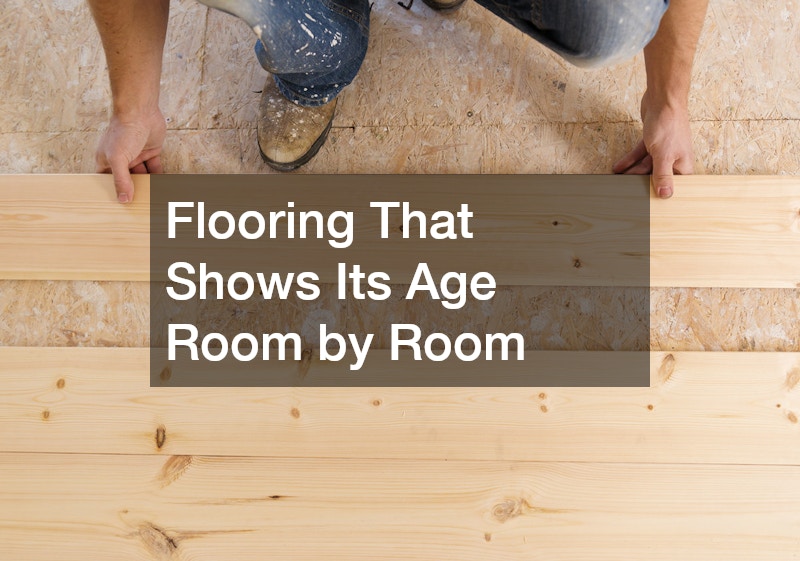
Flooring endures constant foot traffic, spills, and furniture movement, which means it often shows wear before homeowners expect it to. Hardwood can develop gaps, warping, or surface scratches, while tile grout crumbles and vinyl edges begin to lift. These issues are not just cosmetic; they can allow moisture underneath the surface and lead to subfloor damage over time.
Working with experienced flooring contractors helps homeowners understand which materials suit high-traffic areas versus quieter rooms like bedrooms. They can also identify whether a squeaky or uneven floor points to a structural issue rather than a simple surface problem. Replacing flooring at the right time, rather than patching it repeatedly, often saves money and improves the overall value of the home.
- Visible gaps or buckling in hardwood planks
- Cracked or missing grout between tiles
- Soft or spongy spots underfoot
- Persistent squeaking in specific areas
- Fading or discoloration from sun exposure
Outdoor Living Spaces and Structural Boundaries
The exterior of a home faces its own set of wear patterns, particularly in areas where soil, water, and hardscaping meet. Cracked walkways, shifting pavers, and eroding garden borders are common signs that the ground beneath has moved or settled unevenly. These issues tend to worsen with each freeze-thaw cycle or heavy rain season if left unaddressed. Retaining walls deserve special attention, since they’re doing constant, invisible work holding back soil and managing water pressure. A bulge, a lean of more than an inch or two, or gaps forming at the base are early warnings that drainage behind the wall has failed or that the footing has begun to shift. Left alone, a compromised retaining wall can fail suddenly rather than gradually, often after a saturating storm. Patios and walkways show trouble in more subtle ways. Pavers that rock underfoot, joints that widen year over year, or slabs that tilt toward the house instead of away from it all point to settling or poor original grading. Since most hardscape surfaces should slope roughly a quarter-inch per foot away from the foundation, even small reversals in that pitch can redirect water where it doesn’t belong. Fencing and property-line structures are also worth checking seasonally, especially posts set in concrete, which can heave slightly as frozen ground expands and contracts. Loose post caps, splitting wood at the base, or a fence line that’s no longer straight are early signs that the same freeze-thaw cycles affecting walkways are working on the boundary structures too.
Installing quality concrete edging around garden beds and walkways helps control soil erosion and keeps mulch or gravel from spreading into the lawn. This small addition also gives a yard a cleaner, more finished appearance while reducing long-term maintenance. Most professionally installed edging runs a few inches deep and is set on a compacted base, which keeps it from heaving during freeze-thaw cycles or shifting after heavy rain. Beyond curb appeal, edging acts as a quiet structural boundary that protects the rest of the landscape investment. Without it, gravel migrates onto walkways, mulch washes into drains, and grass roots creep into planting beds, forcing homeowners to redo the work every season. A properly installed edge can last well over a decade with almost no upkeep beyond an occasional inspection for cracking or settling. For homeowners considering a larger overhaul, working with patio paver contractors ensures that drainage and base preparation are handled correctly from the start. A well-built patio typically requires four to six inches of compacted gravel base, a layer of sand, and proper slope—usually about a quarter inch per foot—to direct water away from the house. Skipping these steps is exactly what leads to the shifting, sinking, and cracking that plagues poorly installed patios, problems that are far more expensive to fix after the pavers are already down.
- Visible cracks running through concrete or paver surfaces, especially ones wider than a quarter-inch or that keep spreading each season
- Uneven or sinking sections after heavy rain, often signaling erosion or a washed-out base beneath the surface
- Weeds and grass growing between pavers due to poor base compaction or insufficient polymeric sand in the joints
- Edging that has shifted, cracked, or become buried over time, letting pavers drift out of alignment
- Water pooling near the foundation instead of draining away, a sign the patio or walkway was never sloped properly (ideally a 2% grade away from the house)
- Retaining walls that bulge, lean, or show gaps at the joints, which can point to drainage failure behind the wall
- Deck boards that feel soft, springy, or discolored, often the first clue that ledger boards or support posts are rotting
- Fence posts that wobble or have visibly rotted at the soil line, weakening the entire structural boundary
Landscaping Choices That Affect Long-Term Home Health

Landscaping is often viewed purely as an aesthetic choice, but the placement of trees, shrubs, and grading around a home has a direct impact on its structural health. Roots growing too close to a foundation can crack concrete, while poor grading directs water toward the house instead of away from it. These issues develop slowly, which is why they are frequently overlooked until a problem appears indoors.
Consulting with landscape designers early in the planning process helps homeowners choose plants and layouts that protect the home rather than threaten it. A well-thought-out design accounts for drainage patterns, mature root systems, and the way water moves across the yard during storms. This kind of planning pays off years later when neighboring homes are dealing with foundation cracks or basement flooding that could have been prevented with better initial design.
- Trees planted too close to the foundation or utility lines
- Grading that slopes toward the house instead of away
- Mulch beds that trap moisture against siding
- Overgrown roots interfering with driveways or walkways
- Poor drainage causing standing water after rain
Kitchen Wear Points That Signal Bigger Issues
The kitchen is one of the hardest-working rooms in any home, and its cabinetry often reveals problems before other areas do. Swollen wood, sticking drawers, and doors that no longer close flush can indicate humidity issues or water damage from a nearby sink or dishwasher leak. Because kitchens combine plumbing, electrical, and heavy daily use, small issues here can point to bigger systems needing attention.
Replacing worn kitchen cabinets is sometimes about more than style; it is an opportunity to check for hidden water damage, outdated wiring, or ventilation problems behind the scenes. Homeowners updating this space should also examine the plumbing connections and flooring underneath cabinetry, since leaks in these hidden spots often go unnoticed for a long time. Addressing wear in this room early protects both the function and the value of the entire home.
- Cabinet doors that stick, sag, or no longer close properly
- Swelling or discoloration near the sink base cabinet
- Peeling laminate or veneer on cabinet surfaces
- Musty odors coming from inside cabinet boxes
- Hardware that has loosened from repeated daily use
Recognizing where your home is most likely to show early signs of wear puts you in control rather than leaving you to react to emergencies. Regular attention to plumbing, roofing, HVAC, flooring, and other key systems allows small issues to be resolved before they become costly disasters. Start by walking through your own home with this list in mind, noting anything that matches the warning signs described above. Addressing even one or two of these areas this year can extend the life of your home and protect the investment you have made in it.
