Roofing maintenance is a crucial aspect of homeownership, often overlooked until problems arise. Understanding the basics can prevent costly repairs and prolong the life of your roof. Regular maintenance not only ensures the aesthetic appeal of your home but also contributes significantly to its structural integrity.
Overlooking minor issues can lead to severe damage, which may necessitate expensive repairs or complete roof replacement. Engaging in timely inspections and maintenance can make a substantial difference in the long run, offering peace of mind and protection for your home.
How Often Should Roofs Be Inspected?
Recommended Inspection Frequency
It is essential for homeowners to schedule regular roof inspections. Ideally, roofs should be inspected at least twice a year, preferably in the spring and fall. Such periodic checks ensure that any damage from harsh winter weather or summer storms is promptly addressed. By adhering to a bi-annual inspection schedule, homeowners can catch potential issues early and prevent minor damage from escalating. Professional inspectors are trained to notice warning signs that may not be obvious to the untrained eye, making their insights invaluable.
Aside from routine inspections, additional checks should be conducted after major weather events, such as hurricanes, hailstorms, or heavy snowfall. These events can cause unforeseen damage that may compromise the roof’s effectiveness. During these special inspections, particular attention should be given to areas where debris may accumulate and add weight to the roofing structure. Moreover, it is advisable to inspect the attic as well for signs of water penetration or structural changes. Employing the services of a skilled roofing professional for these tasks can add an extra layer of assurance.
Regular inspections are not just preventative; they can also be cost-effective in the long run. By identifying issues such as loose shingles, clogged gutters, or inadequate ventilation beforehand, hefty repair bills can be avoided. Furthermore, many homeowners’ insurance policies require evidence of regular maintenance in case claims are made. Thus, keeping a documented record of each inspection can be advantageous. In conclusion, consistent inspections are a proactive measure that safeguards both the value and safety of a home.
What Are Common Roofing Issues?
Identifying Common Problems
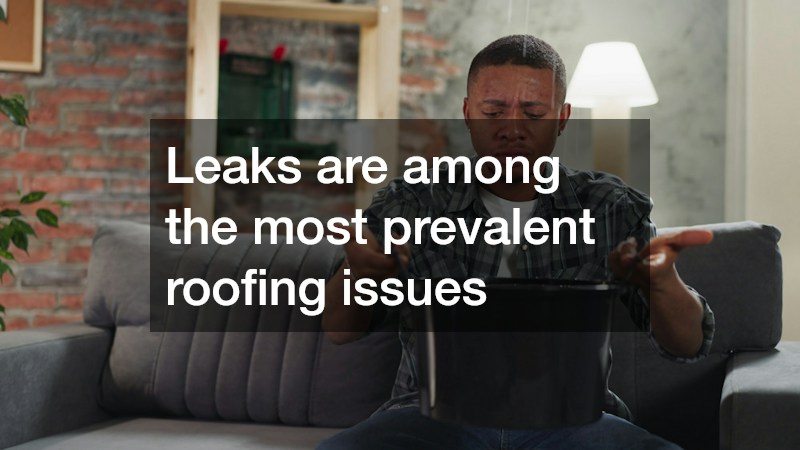
Leaks are among the most prevalent roofing issues, often arising from damaged shingles, faulty flashing, or deteriorated sealant. While a small leak might appear insignificant, it can lead to extensive water damage over time. Discoloration on ceilings or walls often indicates a leak, signaling a need for immediate attention to prevent further harm. Additionally, pooling or stagnant water after rainfall can often indicate drainage issues that require correction. By resolving leaks promptly, homeowners can avert more serious complications such as mold or structural decay.
Damaged shingles are another frequent concern, often resulting from wind, hail, or general wear and tear. Missing, cracked, or curling shingles not only diminish the look of a roof but also expose the underlying structure to the elements. Regular inspection and replacement of worn shingles can prevent the intrusion of water, insects, and even small animals. Sometimes, signs of shingle damage may not be immediately visible from the ground. Hiring a professional for a comprehensive roof survey can ensure that shingle integrity is maintained.
Poor ventilation within attic spaces can lead to a range of roofing problems, from increased energy costs to moisture buildup. Proper ventilation facilitates air circulation, reducing the likelihood of ice dams in winter and lowering cooling costs in summer. Without adequate ventilation, excessive moisture can accumulate, creating a breeding ground for mold and weakening the roof’s wooden structures. It’s crucial to ensure that ventilation systems, such as ridge vents and soffit vents, are unobstructed. Addressing these issues through professional consultation can enhance roof longevity and efficiency.
DIY vs Professional Roof Maintenance: Which is Better?
Evaluating the Pros and Cons
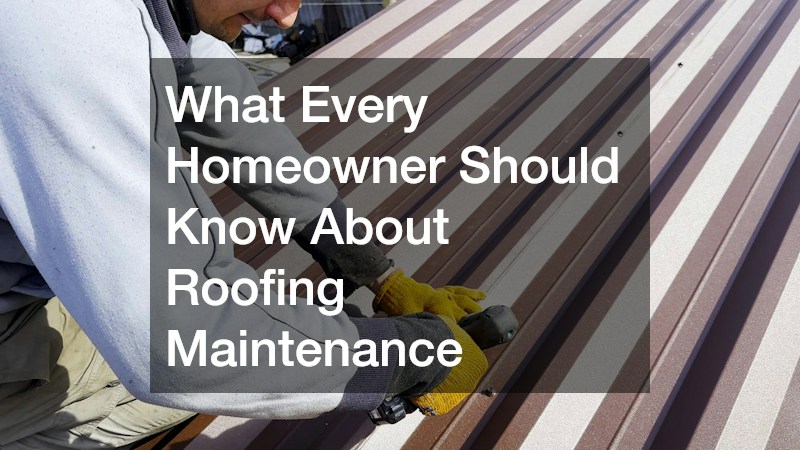
Engaging in DIY roof maintenance can be a tempting option for many homeowners aiming to save money. Basic tasks such as clearing gutters, removing debris, or minor patchwork can often be performed without professional help. However, it’s crucial for homeowners to understand the limits of DIY, especially when dealing with steep roofs or complex repairs that require specialized equipment. Climbing onto a roof is inherently risky and can result in serious injury if proper precautions are not taken. Weighing the simplicity of a task against potential safety risks should guide the decision to pursue DIY maintenance.
On the other hand, professional roof maintenance comes with its own set of advantages. Experienced professionals bring with them the expertise and tools necessary to conduct thorough inspections and execute complex repairs. While hiring professionals may initially seem more costly, their thorough approach often prevents minor issues from escalating into significant repairs. They also ensure compliance with building codes and standards, preserving the warranty terms of the roofing materials used. Thus, homeowners can rest easy knowing that their roof’s health is in competent hands.
The choice between DIY and professional maintenance ultimately depends on several factors, including the complexity of the roofing issue and the homeowner’s technical ability. For those confident in their abilities, mild weather conditions and straightforward tasks may justify a DIY approach. Nonetheless, consulting a professional is advisable for intricate repairs or when safety concerns arise. Balancing financial considerations with the long-term value of professional expertise will allow for informed decision-making. Regardless of the approach chosen, consistent maintenance is essential to avoid prolonged damage and maintain property value.
Regular roofing maintenance is key to keeping your home safe and secure. By understanding frequent roofing questions and concerns, homeowners can ensure their roofing systems remain in optimal condition. Regular inspections, coupled with a clear grasp of potential issues and the advantages of professional assistance, bolster a roof’s durability and value. Armed with this knowledge, homeowners are better equipped to make decisions that extend the roof’s lifespan and protect their investment. In the end, proactive upkeep not only addresses immediate challenges but also lays the groundwork for future cost savings and peace of mind.