
Deciding which upgrades are worth your money before selling can feel overwhelming, especially when budgets are tight and contractors all promise the best return on investment. The truth is that a handful of exterior projects consistently deliver outsized value, while others barely move the needle with buyers. This guide breaks down the upgrades that appraisers, real estate agents, and buyers notice first, so you can prioritize your renovation dollars wisely. Whether you are planning to sell next year or five years from now, understanding these improvements will help you make smarter, more strategic decisions.
Start With a Roof That Inspires Confidence
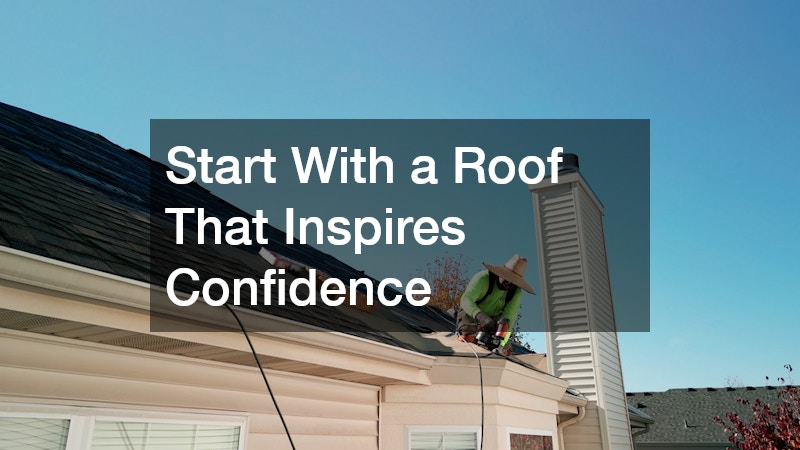
Nothing kills a sale faster than a roof that looks worn, patched, or outdated, because buyers immediately factor in the cost of replacement when making an offer. Even minor issues like curling shingles or moss buildup can signal neglect and invite lowball offers or requests for costly concessions. A licensed roofing company can inspect your shingles, flashing, and gutters to determine whether a full replacement is necessary or if targeted repairs will suffice.
During this inspection, ask about the remaining lifespan of your current materials, since asphalt shingles typically last 20 to 25 years while metal or tile roofing can last 40 years or more. It’s also worth checking for soft spots in the decking, signs of water intrusion in the attic, and the condition of seals around vents and chimneys, as these details often surface during a home inspection anyway. Addressing them proactively puts you in control of the narrative and the price.
Investing in quality materials now often pays for itself at closing, since a newer roof reassures buyers that they will not face a major expense in the first year of ownership. Many appraisers and real estate agents note that a roof replacement can return 60 to 70 percent of its cost in added home value, with the added benefit of a faster sale timeline. Ask your roofing company for a transferable warranty as well, since this small detail can be a meaningful selling point during negotiations.
A home’s roof does more than protect against weather—it signals to buyers that the property has been well cared for, which is why it deserves top billing in any resale strategy. Before investing, it helps to understand which roofing category actually applies to your property, since the right approach varies significantly by structure type.
If you own a multi-unit property or a home with an attached commercial space, it is worth knowing that commercial roofing companies often use different materials and techniques suited to flat or low-slope roofs, such as TPO, EPDM rubber membranes, or modified bitumen, rather than the asphalt shingles typical of single-family homes. These systems are engineered for drainage and durability over large, flat surfaces, and installing them incorrectly can shave years off a roof’s expected 20-to-30-year lifespan.
Understanding this distinction matters if your property has mixed-use elements, since the wrong installation approach can lead to leaks, ponding water, or costly disputes down the road with tenants or future buyers. A qualified contractor should be able to explain why they recommend a specific membrane thickness or flashing detail for your particular roof slope and climate.
Always ask for references, project photos, and warranty details—both manufacturer and workmanship warranties—before committing to any roofing project. A reputable company will typically offer at least a 10-to-20-year material warranty and stand behind their labor for several years, giving prospective buyers added confidence when it comes time to sell.
- Architectural shingles (also called dimensional shingles) offer better curb appeal and last 25-30 years, compared to 15-20 years for basic three-tab shingles.
- Metal roofing has become increasingly popular for its durability (40-70 year lifespan) and energy efficiency, often reflecting heat to lower cooling costs by up to 25%.
- A roof replacement can recoup 60-70% of its cost at resale, according to national remodeling reports, making it one of the higher-ROI exterior projects.
- Color and style choices matter too: neutral tones like charcoal, gray, or weathered wood blends tend to appeal to the widest range of buyers.
- Regular inspections after major storms help catch small issues, like lifted shingles or flashing damage, before they become expensive repairs.
- Keeping receipts and warranty documentation from roof work gives buyers added confidence and can be a selling point during negotiations.
Upgrade the Entryway With Better Doors and Windows
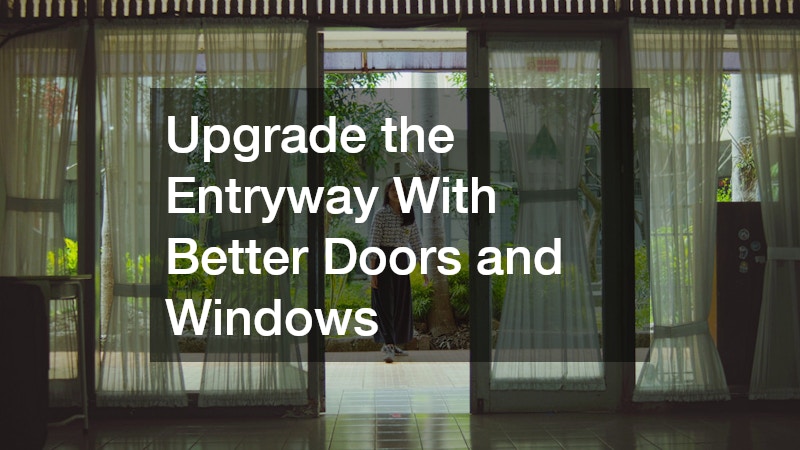
The front entrance sets the tone for a buyer’s entire impression, and it is one of the first details noticed during a showing or even a drive-by. Replacing a heavy, dated front door with glass exterior doors can flood the entryway with natural light while creating a modern, welcoming feel that photographs beautifully for online listings. Buyers often associate abundant natural light with a well-maintained, move-in-ready home, so this upgrade tends to influence first impressions far more than its actual cost would suggest.
Beyond aesthetics, newer doors also improve energy efficiency and security, two factors that matter greatly to today’s buyers. Look for options with tempered or laminated glass panels, which offer better insulation and impact resistance than older single-pane designs. Pairing new doors with fresh exterior paint or updated hardware can amplify the effect without requiring a full renovation budget.
Add Outdoor Living Space That Buyers Actually Want
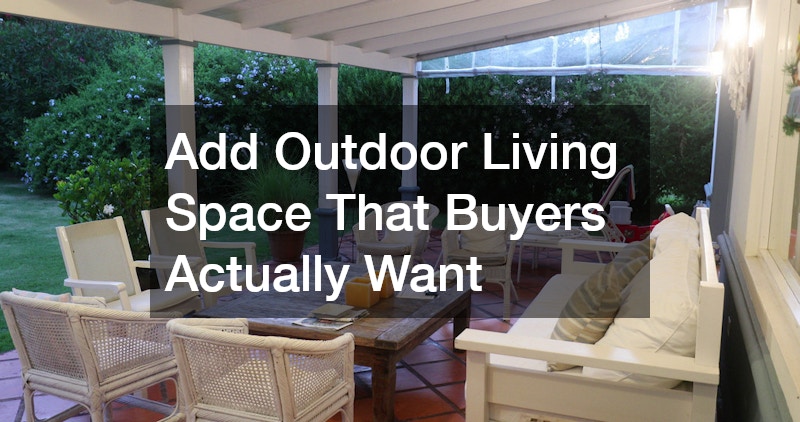
Outdoor living spaces have become one of the most requested features among homebuyers, particularly since more people are prioritizing space to relax and entertain at home. A well-built deck extends usable square footage and creates a natural transition between indoor and outdoor living. Searching for a deck builder near me is often the first step homeowners take when they realize their existing patio or deck is outdated, undersized, or structurally questionable.
The materials you choose matter just as much as the design itself when it comes to long-term value. Composite decking has grown in popularity because it resists rot, warping, and insect damage far better than traditional wood, even though the upfront cost is higher. Regardless of material, a deck that is properly permitted and built to code will always appraise better than one constructed without proper documentation.
- Multi-level decks can maximize sloped or uneven yards.
- Built-in seating and lighting add functionality without requiring extra square footage.
- Covered decks or pergolas extend usability into rainier or hotter months.
- Railing upgrades in metal or cable style can modernize an older deck instantly.
Consider Whether a Pool Adds or Subtracts Value
Pools are a polarizing upgrade, since they can be a major selling point in warm climates but a liability in regions with shorter swimming seasons. Before committing to construction, it helps to consult local pool builders who understand regional buyer preferences and can advise on sizing, placement, and features that align with market expectations. A poorly planned pool can actually shrink usable yard space and turn off buyers who see it as extra maintenance rather than an amenity.
When a pool does make sense for your market, focus on features that feel timeless rather than trendy, such as clean geometric shapes and durable decking materials. Energy-efficient pumps and saltwater systems are increasingly attractive to buyers concerned about ongoing maintenance costs. Always factor in fencing and safety features, since many municipalities require specific barriers before a pool can be legally used or sold with the property.
Modernize Electrical Systems for Safety and Appeal
Outdated electrical panels and exposed wiring are red flags that can stall a sale entirely, especially if a home inspector flags them as safety hazards. Hiring a licensed electrician to update the panel, add exterior outlets, or install modern lighting fixtures demonstrates to buyers that the home has been properly maintained. This is especially important for exterior upgrades like landscape lighting, security cameras, or EV charging stations, all of which require proper wiring done to code.
Exterior lighting in particular has an outsized impact on curb appeal after dark, highlighting architectural features and creating a sense of security. Buyers touring homes in the evening or reviewing listing photos taken at dusk will notice whether pathways, entries, and driveways are well lit. A small investment in updated fixtures and wiring can make the property feel significantly more polished without a major renovation.
Keep the Cooling System in Top Condition

An aging or inefficient air conditioning system can quickly become a bargaining chip during negotiations, as buyers factor in the cost of replacement or repair into their offer. A home inspector will note the unit’s age, and a system nearing the end of its lifespan often prompts buyers to request a credit of several thousand dollars off the asking price.
Regular maintenance, including monthly or seasonal filter changes, clearing debris from the outdoor condenser unit, and scheduling a professional tune-up each spring, extends the life of the system and keeps energy bills manageable in the meantime. These routine visits, which typically cost between $100 and $200, allow technicians to catch refrigerant leaks, worn belts, or failing capacitors before they turn into costly breakdowns.
If your system is more than twelve to fifteen years old, it may be worth exploring replacement options before listing, since newer units are significantly more energy efficient, often carrying a SEER2 rating well above older 10-13 SEER models. A new high-efficiency air conditioning system, which can cost anywhere from $4,000 to $8,000 depending on home size, is frequently recouped through a higher sale price and can be a strong selling point highlighted in listing photos and disclosures.
- Programmable or smart thermostats (e.g., Nest, Ecobee) appeal to energy-conscious buyers and can lower cooling costs by up to 10-15% annually.
- Well-maintained ductwork improves airflow, reduces strain on the unit, and prevents costly leaks that waste conditioned air.
- Documentation of recent servicing, including HVAC inspection reports and filter change records, can reassure buyers during inspection.
- Energy Star rated units may qualify for local utility rebates or tax credits, often ranging from $50 to $600, offsetting upgrade costs.
- Systems with a SEER rating of 16 or higher signal long-term efficiency and can be a strong selling point in listings.
- Scheduling an annual professional tune-up, typically $75-$200, helps catch minor issues before they become expensive repairs.
Protect the Property From Pest Damage
Termites, rodents, and other pests can cause structural damage that is expensive to repair and even harder to disclose without scaring off potential buyers. Partnering with established pest control companies for routine inspections helps catch infestations early, before they compromise siding, decking, or foundational elements. Buyers often request pest inspection reports, so having a clean history on file can streamline negotiations significantly.
Exterior maintenance plays a big role in prevention, since overgrown vegetation, standing water, and wood-to-soil contact all invite pest activity. Simple steps like trimming shrubs away from siding and sealing gaps around utility lines can reduce the likelihood of infestations considerably. A documented pest control history is a small detail that can carry real weight during final negotiations.
Refresh Bathrooms That Connect to Outdoor Living
While bathrooms are technically interior spaces, many modern homes now feature outdoor showers, pool baths, or spa-style additions that blur the line between indoor and outdoor living. Consulting bathroom remodeling companies about adding a pool bath or outdoor shower can significantly enhance the appeal of a backyard oasis, especially in homes with pools or extensive patio space. These additions reduce foot traffic through the main house and are increasingly requested by buyers who entertain outdoors frequently.
When planning this type of upgrade, focus on durable, weather-resistant materials such as tile, stone, and marine-grade fixtures that can withstand humidity and temperature swings. Proper drainage and ventilation are essential to prevent mold and water damage over time. Even a modest outdoor shower addition can serve as a distinctive feature that sets a listing apart from comparable homes in the neighborhood.
Think Like a Luxury Buyer, Even on a Modest Budget
Studying how luxury home builders approach exterior design can offer valuable inspiration, even if your budget is far more modest. High-end builders prioritize cohesive design, quality materials, and thoughtful landscaping that ties the entire exterior together rather than treating each upgrade as an isolated project. Applying these same principles on a smaller scale, such as coordinating color palettes and material choices across the roof, doors, and deck, can create a polished, high-value appearance.
Consistency is often what separates a home that feels move-in ready from one that feels like a collection of mismatched updates. Buyers are willing to pay a premium for homes that feel intentional and well cared for, even if individual materials are not the most expensive available. Small details, like matching hardware finishes or repeating a design element across multiple areas, can make a lasting impression during showings.
Boosting your home’s resale value does not require an unlimited budget, but it does require prioritizing the upgrades that buyers notice and appraisers reward. Focus first on structural essentials like the roof and electrical systems, then layer in lifestyle upgrades like outdoor living spaces, updated doors, and well-maintained cooling systems. Taking a strategic, informed approach now will save you time, stress, and money when it comes time to list your property.
