

Every home sends out warning signals long before a major system fails, but most of those signals are easy to miss if you don’t know where to look. A clogged gutter, a hairline roof leak, or a wheezing air conditioner might seem like small annoyances today, but left unchecked they can snowball into five-figure repairs. The good news is that most of these failures follow predictable patterns, which means you can catch them early with a little seasonal attention. This guide walks through the parts of your home most likely to break down first, and what to watch for before small problems become expensive ones.
Roof Shingles and Flashing Wear Out Faster Than You Think
Your roof takes the brunt of sun, wind, rain, and temperature swings all year long, which makes it one of the first things to show real wear. Curling shingles, granule loss in the gutters, and cracked flashing around chimneys or vents are early signs that the roof’s protective layer is breaking down. Once water finds its way under damaged shingles, it can travel along the decking and show up as a stain on a ceiling far from the actual leak.
Because roof damage is often invisible from the ground, an annual inspection is worth scheduling even if nothing looks obviously wrong. Many local roofers offer free or low-cost inspections after storm season, which is a smart time to catch loose shingles or damaged flashing before winter moisture makes things worse.
- Look for dark streaks or bald patches on shingles, which signal granule loss
- Check attic insulation for damp spots after heavy rain
- Watch for daylight visible through the roof boards in the attic
- Note any sagging areas along the roofline, which can indicate deck rot
Gutters and Downspouts Clog Silently Until Water Has Nowhere to Go
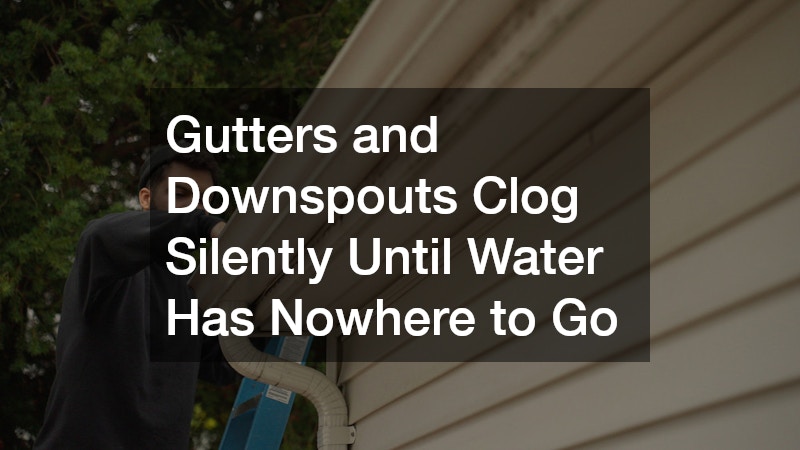
Gutters are designed to move water away from your roofline and foundation, but they only work when they’re clear. Leaves, twigs, and granules from aging shingles build up quickly, especially in the fall, and a clogged gutter can send water spilling straight down your exterior walls. Over time this leads to rotted fascia boards, peeling paint, and even water pooling near the foundation.
Scheduling gutter repairs twice a year, once in spring and once after leaves drop, keeps water flowing where it should. If you notice gutters pulling away from the house or sagging in the middle, that’s usually a sign the hangers have failed and need more than a simple cleaning.
- Check for water marks or streaking on siding below the gutter line
- Confirm downspouts extend at least three feet away from the foundation
- Look for standing water in the gutter after rain, a sign of poor slope
- Inspect for rust spots or separated seams on metal gutters
HVAC Systems Break Down Without Regular Filter and Coil Care
Heating and cooling systems are built to run for well over a decade, but only when they’re properly maintained. Dirty filters restrict airflow and force the system to work harder, which shortens its lifespan and drives up energy bills. A yearly AC service appointment before summer hits can catch a failing capacitor or low refrigerant level before it turns into a full breakdown on the hottest day of the year.
Many homeowners don’t think about their HVAC system until it stops working, but by then the repair is usually more expensive than routine care would have been. Weak airflow, strange odors, or ice forming on the unit are all signs that something needs attention right away rather than waiting for the next scheduled visit.
- Replace filters every one to three months depending on use
- Keep outdoor condenser units clear of leaves and debris
- Listen for rattling or grinding sounds during startup
- Watch for uneven cooling between rooms
Plumbing Pipes and Fixtures Show Warning Signs Before They Burst

Plumbing problems rarely appear out of nowhere. Slow drains, a slight drop in water pressure, or a faint musty smell near a sink are often the earliest clues that something is wearing down inside the walls or under the slab. Older homes with galvanized or early copper piping are especially prone to corrosion, which narrows the pipe over time and eventually leads to leaks or bursts.
Calling in plumbing services at the first sign of trouble, rather than waiting for a flood, almost always saves money in the long run. A professional can run a camera through the line to spot corrosion or root intrusion long before it becomes an emergency repair.
- Watch for discolored water, which can indicate pipe corrosion
- Note any recurring clogs in the same drain
- Check under sinks monthly for slow drips or moisture
- Pay attention to unexplained increases in the water bill
Exterior Siding and Paint Lose Their Protective Barrier Over Time
Paint isn’t just cosmetic, it’s a barrier that keeps moisture from soaking into wood siding and trim. Once paint starts to crack, peel, or bubble, water can get underneath and cause rot that spreads faster than most homeowners expect. This is especially true on south and west facing walls that take the most direct sun exposure.
Repainting every five to ten years, depending on climate and siding material, keeps that barrier intact. Bringing in an exterior painting company to handle prep work like scraping and priming matters more than the paint itself, since poor surface preparation is the number one reason paint jobs fail early.
- Check corners and trim edges first, since they weather fastest
- Look for chalky residue when you run a hand across the siding
- Inspect caulking around windows and doors for gaps
- Note any soft or spongy spots, which can indicate rot underneath
Trees and Landscaping Can Threaten Your Home’s Structure

Overgrown trees do more damage to homes than most people realize. Branches that hang too close to the roofline can scrape shingles during windstorms, drop debris into gutters, and even provide easy access for pests like squirrels and ants looking to get inside. Root systems from large trees planted too close to the house can also crack foundations or interfere with underground plumbing lines over the years.
Scheduling tree trimming on a regular basis, especially before storm season, reduces the risk of a heavy limb coming down on the roof during a windstorm. It also keeps sunlight and airflow reaching the roof surface, which helps shingles dry out faster after rain and reduces moss growth.
- Trim branches back at least six feet from the roofline
- Watch for roots visibly lifting nearby pavement or foundation edges
- Remove dead or leaning branches promptly after storms
- Check for leaning trunks, which can signal root damage
Driveways and Walkways Crack Under Freeze Thaw Cycles
Concrete and asphalt surfaces expand and contract with temperature changes, and over time that constant movement creates cracks. Water seeps into those cracks, then freezes and expands during winter, making the damage worse each year. What starts as a hairline crack can turn into a pothole or a tripping hazard within a couple of seasons if it’s ignored.
A paving contractor can seal small cracks early, which is far cheaper than repaving an entire driveway later. Sealcoating every two to three years also helps protect the surface from oil stains, UV damage, and the freeze thaw cycle that causes most structural cracking.
- Fill hairline cracks before winter to prevent water intrusion
- Watch for pooling water, which signals poor drainage or settling
- Check edges for crumbling, especially near grass or garden beds
- Reseal asphalt surfaces every few years to extend their lifespan
Windows and Doors Leak Air and Water When Seals Fail
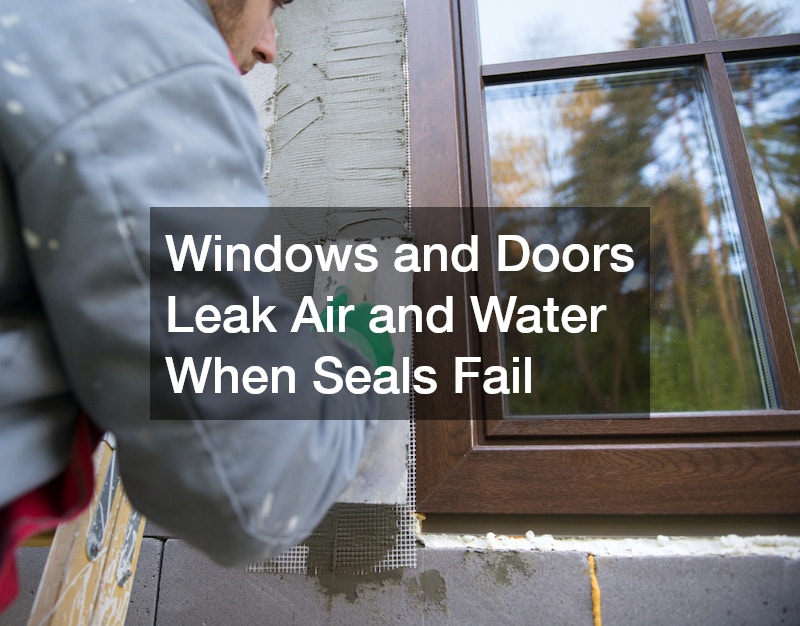
Windows are one of the most overlooked weak points in a home’s exterior envelope. Seals around the glass break down over time, allowing air and moisture to seep through, which drives up energy bills and can lead to wood rot around the frame. Foggy glass between double panes is a clear sign the seal has failed and the insulating gas has escaped.
When frames are warped, drafty, or rotting beyond simple repair, working with experienced window installers to replace them can noticeably improve comfort and lower heating and cooling costs. Newer models also offer better weatherproofing than what was standard even fifteen years ago, which pays off during extreme temperature swings.
- Check for drafts by holding a hand near the frame on a windy day
- Look for condensation between panes, a sign of seal failure
- Inspect exterior caulking for cracks or gaps
- Test that windows open and close smoothly without sticking
Interior Flooring Wears Down From Moisture and Daily Use
Flooring takes constant abuse from foot traffic, spills, and shifting humidity levels, and different materials fail in different ways. Hardwood can cup or buckle when exposed to moisture, laminate can swell at the seams, and tile grout can crack and let water reach the subfloor underneath. Once water gets beneath any flooring type, mold and subfloor rot can develop out of sight.
If you notice soft spots, persistent squeaks, or visible gaps between boards, it’s worth having a professional take a look before the damage spreads. Experienced flooring installers can often repair small sections rather than replacing an entire room, but only if the problem is caught early enough.
- Watch for cupping or warping near kitchens and bathrooms
- Check grout lines for cracks that could let water through
- Note any soft spots underfoot, which can indicate subfloor damage
- Keep humidity levels stable to protect wood and laminate flooring
Knowing When a Bigger Renovation Makes Sense
Sometimes small repairs aren’t enough, especially in older homes where several systems are aging at once. If you’re dealing with recurring issues across multiple areas, like an aging roof combined with outdated plumbing and inefficient windows, it may be more cost effective to address them together rather than one at a time. Tackling projects separately often means paying for demolition, permits, and cleanup multiple times instead of once. A few signs point toward a bigger renovation rather than piecemeal fixes: repair costs approaching 50% of replacement value, systems original to a home built before 1990, or problems that keep recurring within a year of being “fixed.” If your roof is nearing the end of its 20-25 year lifespan around the same time your water heater and windows are failing, bundling that work can reduce labor overlap and disruption to your household. Cost is only part of the equation. Energy efficiency, resale value, and safety concerns like faulty wiring or mold from long-term leaks should factor into the decision too. A home renovation contractor can help prioritize which systems need attention first based on safety and long-term value. They can also sequence the work logically, for instance, replacing plumbing before finishing walls, so you’re not paying to undo finished work later.
Bundling projects also tends to reduce overall disruption to your household, since contractors can coordinate schedules and share costs like permits, dumpsters, or scaffolding. Replacing a roof and upgrading attic insulation in the same visit, for example, often costs less combined than tackling them a year apart, since labor setup and material delivery overlap. A good rule of thumb: if two or more systems are approaching the end of their lifespan within a few years of each other, or if fixing one will require opening walls or flooring that another repair would also need, it’s worth pricing them as a single project. A 20-year-old roof paired with failing gutters and water stains on ceiling drywall is a signal that these aren’t separate line items but one connected problem. Getting a clear-eyed assessment of your home’s condition before deciding where to invest can prevent you from spending money on cosmetic fixes while a structural issue keeps getting worse underneath. A licensed inspector or contractor can flag whether foundation settling, moisture intrusion, or outdated wiring is driving the smaller symptoms you’ve noticed, like sticking doors, musty odors, or flickering lights. Spending a few hundred dollars on that evaluation upfront can save thousands by directing your renovation budget toward the root cause instead of its side effects.
- List every ongoing issue before requesting quotes, not just the most visible one — a small stain, a sticky door, or a musty smell can point to bigger problems worth fixing at once
- Ask contractors to prioritize repairs by safety risk first, then by cost of delay (electrical and structural issues typically outrank cosmetic ones)
- Consider combining exterior projects to save on setup costs — bundling roofing, siding, and gutter work can cut labor and equipment fees by 10-20%
- Request a written timeline before committing to large-scale work, including start date, key milestones, and expected completion
- Ask what happens if unexpected issues are found mid-project, since hidden damage can extend timelines and budgets
- Compare the cost of a major renovation against repeated smaller repairs over the next 5-10 years to see which truly saves money
None of these problems are unusual, and none of them require a professional inspector to spot the early warning signs. A quick seasonal walk around your home, checking the roof, gutters, HVAC system, plumbing, and exterior surfaces, can catch most issues while they’re still cheap and easy to fix. The homeowners who avoid costly emergencies are usually the ones who treat maintenance as routine rather than reactive. Start with the areas mentioned here, keep a simple checklist, and address small issues as soon as you notice them.
