

Every home ages differently, but certain systems and structures wear out on a predictable timeline. Knowing which parts of your house are most likely to fail first can save you thousands of dollars and help you avoid emergency repairs that disrupt your life. This guide walks through the most vulnerable areas of a typical home, what causes them to break down, and how to spot trouble before it becomes a crisis.
Aging Roofs and Shingle Deterioration
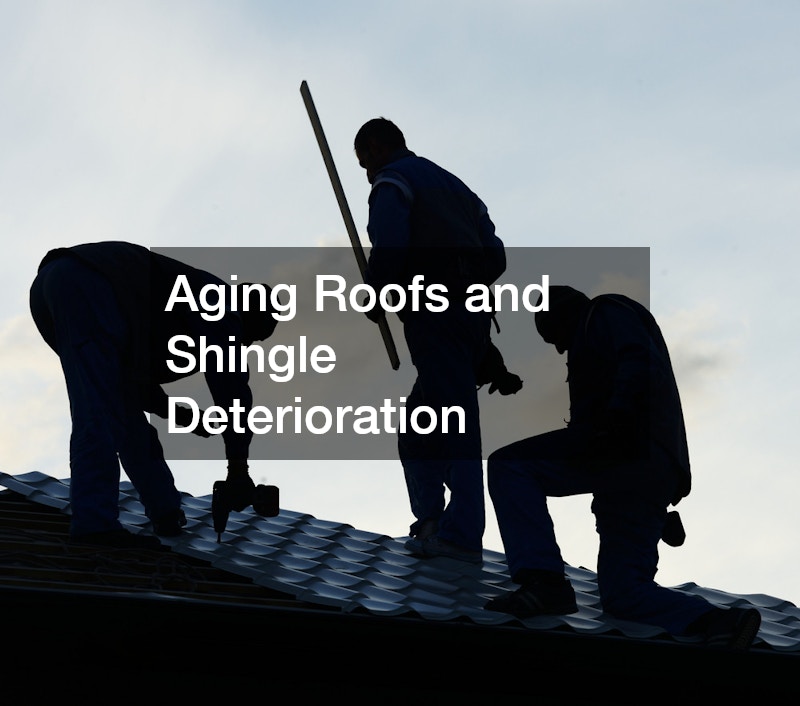
A roof is one of the hardest-working parts of a home, absorbing sun, wind, hail, and heavy rain year after year. Most asphalt shingle roofs are built to last between 20 and 25 years, while architectural shingles can stretch closer to 30, and metal or tile roofing may last 40 years or more with proper care. Poor attic ventilation, extreme weather swings, or low-quality materials can shorten that lifespan considerably, sometimes cutting a roof’s usable life in half. Curling or cupping shingles, granules collecting in gutters, and daylight visible through the attic boards are all warning signs that failure is near. Dark streaks or patches on the roof surface often signal algae or moisture retention, while cracked or missing shingles after a storm leave the underlayment exposed to further damage. Soft spots on the roof deck, sagging rooflines, and water stains spreading across ceiling drywall usually mean the problem has already moved past the surface layer. Ventilation issues deserve special attention, since trapped heat and humidity in the attic can bake shingles from underneath, accelerating brittleness years before their expected replacement date. A simple annual inspection, ideally in spring and fall, can catch small issues like lifted flashing or clogged valleys before they turn into costly leaks. Waiting until water actually drips into a living space usually means the damage extends into the decking, insulation, and possibly framing.
Most asphalt shingle roofs are built to last 20 to 25 years, but sun exposure, poor attic ventilation, and storm damage can shorten that lifespan considerably. Curling edges, missing granules pooling in the gutters, and cracked or bald patches are all signs that the shingles have passed their useful life. Left unaddressed, these small failures let moisture work its way under the surface long before any staining appears indoors. When these symptoms appear, it is worth having a licensed roofing contractor inspect the structure rather than waiting for a leak to show up on the ceiling. A professional assessment can catch soft spots in the decking or flashing issues around chimneys, vents, and skylights that are easy to miss from the ground. These transition points are often where water infiltration starts, since flashing seals can shrink or pull away from the surrounding materials over time. A thorough roofing contractor will also check the attic for daylight coming through the boards, damp insulation, or discoloration on the rafters, all of which point to a problem that has already progressed beyond the surface. Catching these problems early often means a targeted repair, such as replacing a section of shingles or resealing flashing, instead of a full roof replacement. Scheduling an inspection every two to three years, or immediately after a major storm, is generally enough to stay ahead of costly surprises.
- Shingles that are curling, cracking, or missing, especially after a roof has passed the 15-20 year mark
- Granules collecting in gutters or at downspout exits, a sign the shingle surface is wearing thin
- Sagging rooflines or visible dips, which often point to weakened decking or structural rot underneath
- Sunlight coming through attic boards, a clear signal that gaps have formed in the roof’s protective layer
- Heavy moss or algae growth holding moisture against the surface, especially on shaded, north-facing slopes
- Dark streaks or discoloration across shingles, often the first visible warning before moss takes hold
- Flashing that’s rusted, loose, or pulling away around chimneys and vents, a common entry point for leaks
Water Heaters and Their Typical Lifespan

Water heaters quietly do their job for years until one day they do not, often failing with little warning beyond a puddle on the garage floor. Tank-style units typically last 8 to 12 years, and sediment buildup at the bottom of the tank accelerates corrosion from the inside out. Once rust-colored water or strange noises like popping and rumbling start, the unit is usually on borrowed time.
Homeowners who wait until total failure often end up dealing with flooded floors, damaged flooring, or ruined storage items nearby. Scheduling water heater replacement proactively, once the unit passes the eight-year mark, is far less stressful than an emergency swap during a cold snap. A new unit also tends to be more energy efficient, which can offset some of the upfront cost over time.
- Rusty or discolored hot water
- Popping, rumbling, or knocking sounds from the tank
- Water pooling around the base of the unit
- Inconsistent or lukewarm water temperature
Plumbing Pipes and Hidden Leaks
Plumbing systems fail gradually, often behind walls or under slabs where nobody notices until damage has already spread. Galvanized steel and older copper pipes are especially prone to corrosion, while joints and fittings are typically the weakest points in any system. A slow drip inside a wall can go undetected for months, quietly rotting framing and feeding mold growth.
Calling experienced plumbers for a whole-house inspection every few years is one of the best ways to catch small leaks before they become major repairs. They can pressure test lines, check water heater connections, and identify pipe materials that may be nearing the end of their useful life. Older homes with original plumbing from the 1960s or earlier are particularly worth this kind of proactive checkup.
- Unexplained increases in the water bill
- Discolored or rusty water from taps
- Low water pressure throughout the house
- Musty smells near walls, floors, or cabinets
Garage Doors and Their Moving Parts
Garage doors are among the largest moving objects in a home, and their hardware takes a beating from daily use. Springs, cables, rollers, and openers all wear down over time, and a failed torsion spring can turn into a safety hazard if the door comes crashing down unexpectedly. Homeowners often ignore grinding noises or slow response times until the door stops working altogether.
Routine garage door service, including lubrication and hardware tightening, can extend the life of the system by years and prevent sudden breakdowns. A technician can also spot worn cables or misaligned tracks that are not obvious to an untrained eye. Because garage doors are heavy and spring-loaded, this is one repair area where professional help is genuinely safer than a DIY fix.
- Grinding, squeaking, or scraping sounds during operation
- Door that opens or closes unevenly
- Visible rust or fraying on cables and springs
- Slow response from the remote or wall switch
Exterior Siding and Painted Surfaces
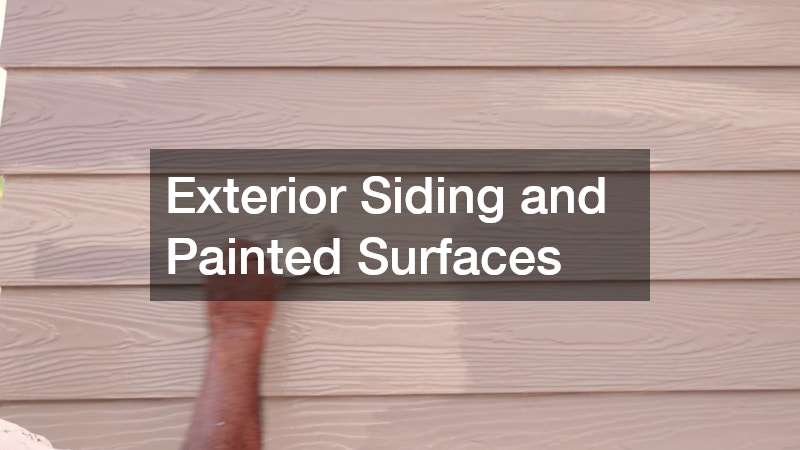
The outside of a house takes constant abuse from UV rays, rain, and temperature swings, and paint is often the first line of defense against moisture intrusion. Once paint starts cracking, peeling, or bubbling, bare wood or siding underneath becomes exposed and can absorb water, leading to rot. This is especially common on the sun-facing side of a house, where heat breaks down the paint film faster.
Refreshing exterior painting every 7 to 10 years is not just cosmetic maintenance, it is a protective measure that shields siding and trim from long-term damage. Choosing quality paint and proper surface preparation matters more than most homeowners realize, since a rushed paint job fails much sooner than one applied correctly. Keeping an eye on caulking around windows and doors also helps prevent gaps where water can sneak behind the siding.
- Peeling, cracking, or bubbling paint
- Faded color on sun-exposed walls
- Soft or discolored siding near the ground
- Gaps in caulking around windows and trim
Storefront and Commercial Glass Vulnerabilities
While this guide focuses mostly on residential homes, many property owners also manage small commercial spaces, rental storefronts, or mixed-use buildings, and glass entryways are a frequently overlooked weak point. Storefront glass takes constant stress from temperature changes, foot traffic, and occasional impacts, and seals around the frame can degrade well before the glass itself shows visible damage. Cracked seals let in drafts and moisture, which can eventually damage interior flooring and walls near the entrance.
Regular inspection of the frame, weatherstripping, and glazing compound helps property owners catch failures before a full pane needs replacing. Left unaddressed, a failing storefront can lead to higher energy bills and interior water intrusion during storms. Anyone managing this kind of space should treat glass entry systems with the same seriousness as a roof or foundation.
- Visible fog or condensation between glass panes
- Drafts felt near the frame even when doors are closed
- Cracked or deteriorating rubber seals
- Difficulty opening or closing entry doors smoothly
Foundations and Structural Settling
Foundations rarely fail overnight, but small cracks and shifts accumulate slowly until they become expensive problems. Soil movement, poor drainage, and tree roots growing too close to the house are common culprits behind foundation stress. Homes built on expansive clay soil are especially prone to seasonal swelling and shrinking that puts pressure on the slab or footings.
One underappreciated way to protect a foundation is managing overgrown vegetation and root systems around the property line, since aggressive roots can crack slabs and disrupt drainage patterns over time. Forestry mulching is sometimes used on larger properties to clear brush and root systems without the soil disruption that comes from traditional land clearing equipment. Keeping the area around a foundation clear and well-drained reduces the odds of costly structural repairs down the road.
- Cracks in interior walls near doors and windows
- Doors or windows that stick or no longer close properly
- Uneven or sloping floors
- Visible gaps between the foundation and siding
Expanding Living Space Without Overloading Systems
Many homeowners look to expand their square footage rather than move, but home additions put new demands on existing plumbing, electrical, and HVAC systems that were sized for the original footprint. Adding a bedroom, sunroom, or second story without upgrading the supporting infrastructure can lead to overworked systems that fail sooner than expected. A qualified contractor will evaluate whether the water heater, electrical panel, and ductwork can actually support the added load before construction begins.
Planning ahead during the design phase prevents a scenario where a brand-new addition strains an aging system into early failure. It is far cheaper to upsize a panel or add supplemental HVAC capacity during construction than to retrofit it after walls are closed up. Homeowners considering an expansion should ask contractors directly how the project will affect existing utilities.
- Electrical panels nearing full capacity
- HVAC systems already struggling to keep up with current square footage
- Plumbing lines that may need rerouting or upsizing
- Permitting requirements that vary by municipality and addition size
Water Intrusion After Storms and Appliance Failures
Water damage is one of the most destructive and costly problems a home can face, and it rarely comes from a single dramatic event. Slow leaks, overflowing appliances, and storm-driven flooding can all lead to warped flooring, mold growth, and weakened framing if not addressed quickly. The first 24 to 48 hours after water exposure are critical, since mold can begin forming within that window in warm, humid conditions.
Acting fast with extraction, drying equipment, and moisture testing dramatically reduces the chances of long-term structural damage. Homeowners should also document damage thoroughly with photos before cleanup begins, since insurance claims often depend on clear evidence of the timeline and extent of the loss. Regularly checking areas prone to water exposure, like basements and crawl spaces, helps catch problems before they escalate into major restoration projects.
- Warped or buckling floors
- Musty odors that persist after cleaning
- Visible mold on walls, ceilings, or baseboards
- Water stains that reappear after drying
Relocating Without Damaging What You Own

Moving is one of the moments when household items are most vulnerable to damage, from furniture scraping doorways to fragile items shifting in a poorly packed truck. Hiring an experienced moving company can significantly reduce the risk of broken belongings, since trained movers know how to pack, load, and secure items properly for transport. It also reduces physical strain and the chance of accidental damage to floors, walls, and door frames during the move itself.
Homeowners who choose to move on their own should invest in proper packing materials and take extra care with heavy or oddly shaped items like mirrors and electronics. Labeling boxes by room and fragility level makes unpacking smoother and reduces the temptation to rush and cause damage. Whether hiring help or doing it independently, planning the logistics in advance prevents avoidable losses on moving day.
- Furniture pads and moving blankets for large items
- Proper box sizes to avoid overloading and bottom blowouts
- Dollies or straps for heavy appliances
- A clear walking path to prevent scraped walls and floors
Staying ahead of these common failure points comes down to regular inspection and addressing small issues before they snowball into expensive repairs. Walk through your home a few times a year with this list in mind, checking roofs, pipes, garages, and painted surfaces for early warning signs. When something looks off, reaching out to a qualified professional early is almost always cheaper and less stressful than waiting for a full breakdown.
