
A home that felt comfortable and efficient last spring can quietly turn into an energy drain by the time next winter rolls around, and most homeowners never see it coming. Small issues like clogged vents, aging roof flashing, or a neglected gate hinge don’t announce themselves loudly, they just chip away at your comfort and your utility bills month after month. The good news is that most of this decline is preventable with a predictable schedule of seasonal checks. This article walks through the systems most likely to fail quietly, and what to do about each one before it costs you real money.
Roof Condition and Seasonal Wear
Your roof takes the brunt of every season, from summer UV exposure to winter ice and spring downpours, and that constant cycle of expansion and contraction loosens shingles, seals, and flashing over time. A professional roof inspection twice a year, ideally in spring and fall, catches small problems like lifted shingles or cracked sealant before they become active leaks. Water intrusion doesn’t just damage ceilings and drywall, it also compromises attic insulation, which forces your HVAC system to work harder to maintain a stable temperature.
Homeowners often assume roof problems are obvious, but many leaks start slowly behind walls or in attic spaces where they go unnoticed for months. Catching wear early keeps repair costs low and protects the efficiency of everything underneath the roofline.
- Check for missing, curling, or cracked shingles after major storms
- Look for granule buildup in gutters, a sign of shingle deterioration
- Inspect flashing around chimneys, skylights, and vents for gaps
- Have a professional assess attic ventilation during the same visit
Drainage Systems and Water Flow Around the Property
Standing water and slow drains are two of the most overlooked contributors to a home’s declining efficiency, since moisture buildup can lead to mold, wood rot, and even foundation shifting. Scheduling drain cleaning services once a year helps clear built-up debris, grease, and mineral deposits that restrict flow in both indoor plumbing and outdoor drainage lines. When drains are sluggish, homeowners often run water heaters and pumps longer than necessary, which adds unnecessary strain and cost.
Outdoor drainage deserves just as much attention as indoor plumbing, especially around downspouts, French drains, and any grading near the foundation. A yard that pools water after rain is a warning sign that something in the drainage path needs clearing or repair.
- Watch for slow-draining sinks, tubs, or floor drains
- Check outdoor drains and downspouts for leaf and debris buildup
- Note any musty odors near basements or crawl spaces
- Address standing water in the yard within 24 to 48 hours of rainfall
Insulation Performance in Attics and Walls

Insulation is one of those things nobody thinks about until the energy bill arrives, but it plays a massive role in whether your home holds heat in winter and stays cool in summer. Older insulation settles, compresses, and loses its effectiveness, which is why many homeowners now turn to spray foam insulation contractors to seal gaps that fiberglass batts simply can’t reach. Spray foam expands into small cracks and crevices around wiring and plumbing penetrations, cutting off the tiny air leaks that quietly drive up heating and cooling costs.
A poorly insulated attic can account for a significant share of total home energy loss, especially in older houses that were built before modern efficiency standards existed. Getting an assessment before extreme summer or winter temperatures hit gives you time to make upgrades without rushing the decision.
- Feel for drafts near outlets, attic hatches, and recessed lighting
- Check for uneven indoor temperatures between rooms
- Look for ice dams on the roof in winter, a sign of heat escaping through the attic
- Compare insulation depth to current recommended R-values for your region
Outdoor Living Spaces and Their Hidden Demands
Outdoor additions have become a bigger part of home life in recent years, and features like backyard kitchens in many neighborhoods now include full appliance setups, plumbing, and electrical lines that need the same seasonal attention as indoor systems. Grills, mini fridges, and sinks installed outside are exposed to weather extremes that indoor appliances never face, which accelerates wear on seals, gaskets, and connections. Before each season change, it’s worth checking these installations for corrosion, loose fittings, or pest intrusion.
Because these spaces often sit unused for months during colder weather, small issues like a cracked hose bib or a rusted burner can go unnoticed until the first warm weekend of the year. A quick walk-through before entertaining season starts saves both frustration and repair costs.
- Inspect gas lines and connections for corrosion or leaks
- Check electrical outlets for weatherproof covers and moisture damage
- Clear debris from grill vents and burner assemblies
- Test any plumbing fixtures for consistent water pressure
Gate and Fencing Hardware Around the Property

Fences and gates take a beating from seasonal humidity, freeze-thaw cycles, and general wear, and a sagging or sticking gate is often the first visible sign of shifting ground or worn hardware. Scheduling a gate service once a year keeps hinges lubricated, latches aligned, and automated openers functioning correctly, which matters for both security and convenience. A gate that doesn’t close properly can also be an entry point for pests or a safety hazard for children and pets.
Beyond the gate itself, check the surrounding fence posts for wood rot or rust, especially at the base where moisture collects. Small adjustments made early prevent the need for a full gate or fence replacement down the line.
- Lubricate hinges and latches at the start of each season
- Check for gaps or sagging that suggest post movement
- Test automated gate sensors and safety stops if applicable
- Look for rust on metal components after wet weather
Rooftop Energy Panels and Maintenance Needs
Homeowners who invested in solar often assume the system runs itself once installed, but panel efficiency actually depends on regular cleaning and inspection. Dust, pollen, and bird droppings can reduce solar output by a noticeable percentage over just a few months, especially in dry climates where rain doesn’t naturally rinse the panels. A seasonal check of connections, inverters, and mounting hardware also helps catch small issues before they turn into costly repairs.
Shading from growing trees is another factor that changes over time and can quietly reduce the return on your investment if it’s not monitored. Keeping a simple log of energy output each season makes it easier to spot a decline early and address the cause.
- Clean panel surfaces every few months, more often in dusty climates
- Check for shading changes from tree growth or new structures
- Inspect wiring and connections for wear or rodent damage
- Monitor energy output data for unexplained drops
Electric Vehicle Charging Equipment at Home
As more households add electric vehicles, home charging setups have become another system that needs periodic attention rather than a one-time installation. Proper electric vehicle charger installation done to code is the first step, but the equipment still needs seasonal checks for cord wear, connector corrosion, and secure mounting, especially if the charger is installed outdoors. Extreme heat and cold can affect charging speed and battery performance, so it helps to know how your specific system responds to seasonal temperature swings.
A charger that trips breakers or charges inconsistently is often signaling a wiring issue rather than a problem with the vehicle itself. Addressing that early prevents inconvenience and protects both the vehicle’s battery and your home’s electrical panel.
- Inspect charging cords for cracking or exposed wiring
- Check outdoor charger enclosures for water intrusion
- Test charging speed each season to catch performance drops
- Confirm the dedicated circuit breaker is functioning properly
Air Duct and Ventilation Cleanliness
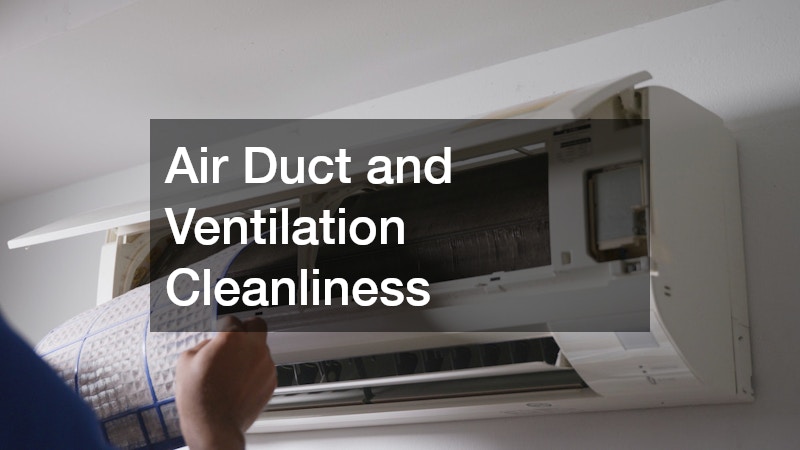
Ductwork collects dust, pet hair, and debris over time, and when airflow is restricted, your HVAC system has to work harder to push air through the home. This buildup doesn’t happen overnight, but a few years of accumulation can reduce airflow by a surprising margin, forcing your blower motor to run longer and consume more energy just to maintain the same indoor temperature. Regular vent cleaning improves indoor air quality and helps systems run at their intended efficiency, which can noticeably lower energy bills during peak heating and cooling months. It also extends the lifespan of your HVAC equipment, since a system that isn’t straining against clogged ducts experiences less mechanical wear over time. This is especially important for households with pets, allergies, or older duct systems that haven’t been serviced in several years. Homes with shedding pets or smokers tend to see faster buildup, and rooms that feel stuffy or dusty within days of cleaning are often a sign that the ducts themselves need attention rather than just the visible surfaces. A simple annual inspection, or professional cleaning every 3 to 5 years, can catch problems like mold growth, pest intrusion, or disconnected sections before they become costly repairs. Much like how neglecting something as routine as pelvic floor health can quietly undermine overall wellbeing until small issues become bigger ones, ignoring your ventilation system lets minor inefficiencies compound silently until they show up as a spike in your utility bill or a system breakdown.
Beyond comfort, dirty vents can also contribute to uneven temperatures between rooms, since blocked airflow prevents conditioned air from reaching every part of the house evenly. You might notice one bedroom running noticeably warmer or cooler than the rest of the home, or a home office that never quite matches the thermostat setting. This forces your HVAC system to run longer cycles trying to compensate, which drives up energy bills without actually solving the comfort problem. A simple visual check of vent covers for dust buildup can indicate whether a deeper cleaning is overdue. Pull off a few covers throughout the house and look for gray, matted dust clinging to the grille or visible debris just inside the duct opening. Weak airflow when you hold your hand near an open vent, or a musty smell when the system kicks on, are additional red flags worth investigating. As a general rule, professional duct cleaning every 3 to 5 years is sufficient for most households, though homes with pets, recent renovations, or allergy-sensitive occupants may benefit from more frequent attention. Between professional visits, simply vacuuming vent covers and replacing air filters every 60 to 90 days goes a long way toward keeping airflow consistent and efficiency intact.
- Check vent covers monthly for visible dust, pet hair, or debris buildup that blocks airflow
- Note any musty, stale, or burning smell when the HVAC system kicks on, which can signal mold or overheating components
- Watch for uneven cooling or heating between rooms, especially if one area lags several degrees behind the thermostat setting
- Inspect flexible ductwork for kinks, sagging, or disconnected joints, which force the system to work harder
- Listen for whistling or rattling sounds near vents, often a sign of leaks or loose panels
- Schedule a deeper professional cleaning every 3-5 years depending on household size, pets, allergies, or recent renovations
When to Call in a Mechanical Systems Expert
Not every issue can be diagnosed with a simple visual check, and some problems, especially with HVAC, water heaters, or complex home automation systems, require a trained eye to catch early warning signs. Bringing in a mechanical failure consultant before a system fully breaks down can save homeowners from emergency repair costs and extended downtime during extreme weather. These specialists look at wear patterns, unusual noises, and performance data to predict problems before they become full failures.
This kind of proactive assessment is especially valuable for homes with older mechanical systems or a mix of newer smart home technology layered onto aging infrastructure. Getting an expert opinion once a year, even when nothing seems obviously wrong, often turns up small issues that are cheap to fix now and expensive to ignore.
- Unusual noises from HVAC, water heaters, or pumps
- Rising utility bills without a clear explanation
- Systems that cycle on and off more frequently than usual
- Any mechanical component nearing the end of its expected lifespan
Keeping a home efficient isn’t about one big overhaul, it’s about consistently checking the smaller systems that quietly determine how much energy, water, and money you use every month. Walking through your roof, drainage, insulation, outdoor spaces, gates, solar setup, EV charger, vents, and mechanical systems each season gives you a clear picture of what needs attention before problems grow. Start with whichever system feels most overdue for a look, and build a simple seasonal checklist from there. A little consistency now protects both your comfort and your budget for years to come.
