

You take care of your home, but somehow it still shows wear years before you expected it to. Peeling paint, sticky doors, musty smells, and rising utility bills often feel random, but they usually trace back to small maintenance gaps that compound over time. The good news is that most premature aging is preventable once you know where to look. This article breaks down the systems that quietly wear out faster than they should and what you can do about each one.
Your Roof Is Aging Faster Than the Warranty Suggests
 Manufacturers rate shingles for 20 to 30 years, but those numbers come from controlled lab testing, not the actual conditions on your roof. Real-world factors like poor attic ventilation, ice dams, and debris buildup in valleys can shave a decade or more off that projected lifespan, often without any obvious signs from the ground. Attic ventilation is one of the biggest culprits. When hot air gets trapped under the roof deck in summer, it can bake shingles from underneath, causing them to curl, crack, and lose granules years ahead of schedule. In winter, that same poor airflow contributes to ice dams, where melting snow refreezes at the eaves and forces water backward under the shingles. Debris buildup compounds the problem in ways many homeowners never notice. Leaves and pine needles trapped in valleys hold moisture against the shingles for days at a time, accelerating wear in exactly the spots where water volume is highest. Clogged gutters make this worse by keeping runoff sitting near the roofline instead of draining away. Many homeowners only discover the damage after a leak appears on a ceiling, at which point the underlying decking may already be compromised. By the time water stains show up indoors, the plywood or OSB sheathing beneath the shingles may have been absorbing moisture for months or even years, leading to soft spots, mold growth, and repair costs far higher than routine maintenance would have required.
Most asphalt shingle warranties promise 20 to 30 years of protection, but that number assumes ideal installation, ventilation, and weather conditions that few roofs actually experience. Intense summer heat, wind-driven rain, and poor attic airflow can all shave five to ten years off that projected lifespan without any obvious sign of trouble. That’s why the warranty timeline and the real-world timeline rarely match up. Getting a professional roof estimate every few years, even when there is no visible damage, gives you a realistic picture of remaining lifespan. An inspector can spot cracked flashing, granule loss, and soft spots that indicate trapped moisture long before a leak forms. They’ll also check pipe boots, valleys, and seals around chimneys or skylights, since these small components tend to fail years before the shingles themselves do. Homeowners often assume a roof is fine simply because the ceiling below shows no stains, but moisture damage can spread for months inside the decking before it becomes visible indoors. A thorough inspection typically includes both a ground-level visual check and a closer look from the attic, where signs like daylight through the roof boards or damp insulation reveal problems early. Catching these issues early is almost always cheaper than emergency repairs after a storm. A proactive estimate might cost a couple hundred dollars, while a full emergency replacement after water intrusion can run into the tens of thousands, plus the cost of repairing drywall, insulation, and framing underneath.
- Check attic insulation and ventilation, since trapped heat above 150°F in summer can bake shingles from underneath, cutting years off their expected lifespan
- Aim for balanced soffit and ridge ventilation so hot air actually escapes instead of just circulating in the attic
- Clear gutters at least twice a year, in spring and fall, to prevent water from pooling and backing up under roofing material
- Look for curling, cracked, or missing shingles after major wind events, along with granules collecting in gutters, a sign shingles are wearing thin
- Watch for daylight through the attic roof boards or damp insulation, both early warnings of a failing roof deck
- Ask for a written roof estimate that separates repair options from full replacement, including cost breakdowns and expected lifespan for each choice
Outdoor Trees Can Threaten Your Foundation and Siding

Large trees planted too close to a house create problems that develop slowly and are easy to ignore until they become expensive. Roots can crack foundations and driveways, while overhanging limbs drop debris that clogs gutters and scratches siding. Root systems also compete for soil moisture, which causes uneven settling around the foundation during dry seasons.
A certified arborist or tree removal service can assess whether a tree is a long-term risk or simply needs pruning and monitoring. Waiting until a storm knocks a branch through the roof is far costlier than proactive trimming or removal. Homeowners often underestimate how quickly root growth accelerates once a tree matures past 15 or 20 years old.
- Watch for foundation cracks that appear near large trees
- Note any lifting sidewalks or driveway sections close to root zones
- Schedule tree removal before a leaning or diseased tree becomes a hazard
- Keep branches trimmed at least 10 feet from the roofline
Driveways and Walkways Wear Out From the Ground Up

Concrete and asphalt surfaces look sturdy, but freeze-thaw cycles, poor drainage, and tree roots attack them from below long before cracks show on the surface. Water that seeps into small cracks expands when it freezes, widening those cracks every winter until the surface starts to crumble. This process happens faster on driveways with poor slope or inadequate base preparation from the original installation.
Experienced paving contractors can identify drainage problems and base issues that a homeowner would never notice just by looking at surface cracks. Sealing a driveway every two to three years significantly slows this deterioration and protects the investment. Ignoring small cracks almost always leads to a full replacement years sooner than necessary.
- Reseal asphalt driveways every two to three years
- Fix small cracks immediately before winter freeze cycles widen them
- Confirm proper drainage slope away from the house and garage
- Get a second opinion from paving contractors before committing to full replacement
Fences Break Down Faster Without the Right Materials and Care
A fence takes constant abuse from moisture, sun exposure, and ground contact that most homeowners never think about until posts start to lean. Wood in particular absorbs water at the base, which leads to rot that spreads upward over several seasons. Metal hardware can also rust and weaken joints long before the wood itself looks damaged.
Working with a reputable wood fence company from the start makes a real difference, since proper post-setting depth and pressure-treated lumber resist decay far longer than budget installations. Annual staining or sealing protects exposed grain from sun damage and moisture absorption. A fence installed correctly can last twice as long as one that was rushed or improperly anchored.
- Check post bases each spring for soft or discolored wood
- Reapply sealant or stain every one to two years
- Confirm posts were set below the frost line to prevent shifting
- Ask a wood fence company about rot-resistant lumber grades before installation
Electrical Systems Wear Down Quietly Behind the Walls
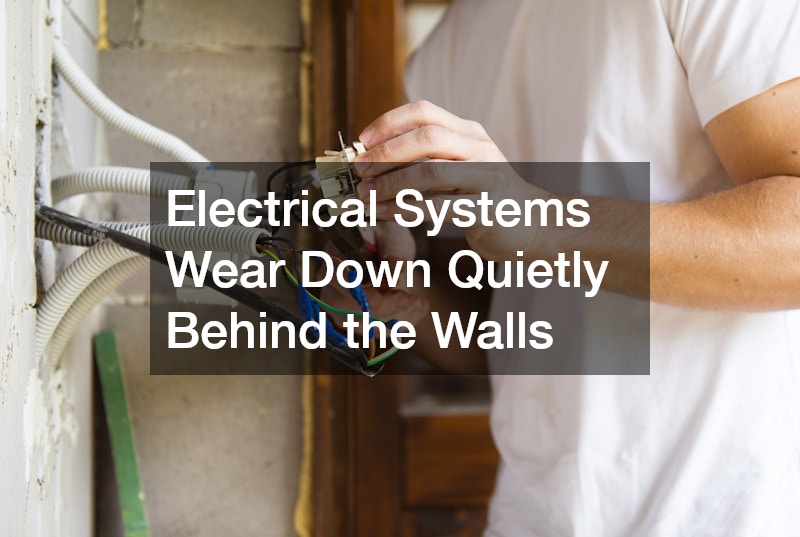
Homes built more than 30 years ago often have wiring that was never designed to handle today’s electrical load from air conditioning, electronics, and kitchen appliances. Overloaded circuits generate heat inside walls, which degrades insulation on wiring over time and increases fire risk. Flickering lights, warm outlets, and tripped breakers are all early warning signs that something behind the wall is struggling.
Licensed electricians can run a load assessment to determine whether your panel and wiring can safely support your current lifestyle. Many older homes still use outdated fuse boxes that were never intended for modern demand. Upgrading a panel is a significant expense, but it is far less costly than repairing fire damage from an overloaded system.
- Watch for warm or discolored outlet covers
- Note frequent breaker trips as a sign of overload
- Have electricians inspect wiring in homes older than 30 years
- Consider a panel upgrade if you are adding major appliances
Plumbing Problems Start Small and Escalate Quietly
Pipes rarely fail all at once. Instead, small clogs and slow drips build pressure and corrosion over months or years until a pipe bursts or a drain backs up completely. Tree roots, grease buildup, and mineral deposits are common culprits that narrow pipes gradually without any visible symptoms until the blockage is severe.
Calling drain cleaners for a routine inspection before problems become emergencies can extend the life of your plumbing system significantly. Professional hydro-jetting removes buildup that home remedies cannot reach, particularly in older cast iron or clay pipes. Addressing slow drains early prevents the kind of backup that can damage flooring and drywall.
- Watch for slow drains in multiple fixtures at once, which often signals a main line issue
- Avoid pouring grease down kitchen drains
- Schedule drain cleaners annually if your home has mature trees nearby
- Consider camera inspections for homes with older clay or cast iron pipes
Cooling Systems Break Down Sooner Without Regular Attention
Air conditioning units are engineered to last 12 to 15 years, but neglected maintenance can cut that number significantly. Dirty filters, low refrigerant, and clogged condenser coils force the system to work harder, which shortens the compressor’s lifespan and increases energy bills. Many homeowners do not realize a struggling unit is aging faster until it fails completely during the hottest week of summer.
Scheduling local AC repair for a seasonal tune-up catches small issues, like a failing capacitor or refrigerant leak, before they turn into a full system replacement. A technician can also confirm that your ductwork is sealed properly, since leaky ducts force the unit to run longer than necessary. Regular maintenance is one of the most cost-effective ways to protect a major home investment.
- Replace air filters every one to three months
- Schedule local AC repair for a spring tune-up before peak season
- Keep outdoor condenser units clear of debris and vegetation
- Have ductwork checked for leaks that waste cooling capacity
Bathrooms Show Wear Faster Than Other Rooms in the House
Constant moisture, temperature swings, and daily use make bathrooms one of the fastest-aging spaces in any home. Grout cracks, caulk fails, and ventilation fans that are too weak allow humidity to linger, which encourages mold growth behind tile and under flooring. What starts as a cosmetic issue can quietly become a structural one if moisture reaches subfloor material.
Consulting with bathroom remodeling contractors before small problems grow can save significant money down the line, since they can identify moisture intrusion that is not yet visible. A properly vented exhaust fan and updated waterproofing membrane make a bigger difference in longevity than most homeowners expect. Even a partial update, rather than a full renovation, can meaningfully extend the room’s lifespan.
- Run the exhaust fan during and after every shower
- Recaulk around tubs and showers annually
- Watch for soft flooring near toilets and showers, a sign of subfloor damage
- Ask bathroom remodeling contractors about moisture barriers during any renovation
Kitchens Age Unevenly When Cabinets and Fixtures Are Neglected
Cabinets take on heat, steam, and grease exposure daily, which causes finishes to degrade and hinges to loosen years before the rest of the kitchen shows wear. Water damage under sinks is especially common, since minor leaks go unnoticed inside cabinet bases until the wood swells or delaminates. This uneven aging is why kitchens often look tired in specific spots while the rest of the room still looks fine.
Visiting a kitchen cabinet showroom to compare moisture-resistant materials can help you make smarter choices if you are replacing damaged sections rather than the whole kitchen. Modern cabinet boxes with better sealing and hardware hold up considerably longer under daily humidity and temperature changes. Addressing damaged sections early often costs far less than a full kitchen overhaul later.
- Check under-sink cabinets for hidden water damage regularly
- Tighten loose hinges before they strain the cabinet frame
- Visit a kitchen cabinet showroom to compare finishes rated for humidity resistance
- Replace warped shelving before moisture spreads to adjacent cabinets
Basement Bedrooms Need Proper Egress to Stay Safe and Legal
Finished basements often get converted into bedrooms without the safety features building codes require, which creates both a legal and safety issue that ages poorly as regulations catch up with older renovations. Without a proper secondary exit, a basement bedroom can trap occupants during a fire and may also fail inspection when you eventually sell the home. This is a problem that does not announce itself until it becomes urgent.
Hiring an egress window contractor to install a code-compliant window well is a straightforward fix that adds real value and safety to a finished basement. Beyond the safety benefit, a properly sized egress window brings in natural light and improves ventilation, making the space feel less like a basement. Addressing this before selling avoids last-minute negotiations or delays during a home inspection.
- Confirm any basement bedroom has a code-compliant window or exit
- Check local building codes, since minimum window dimensions vary by area
- Hire an egress window contractor early if you are finishing a basement
- Consider the added natural light as a bonus benefit of this safety upgrade
Homes age unevenly, and the systems you cannot see every day are often the ones causing the most damage over time. A little seasonal attention, paired with the right professional input when something looks off, can add years back to nearly every part of your house. Start with the areas covered here that sound most familiar, and address them before small issues turn into expensive repairs. Your home will hold its value and comfort far longer when maintenance happens on a schedule rather than in response to a crisis.
