

That small crack in the driveway or the faint drip under the sink rarely feels urgent, so it gets pushed to next month, then next season. But small problems around your property almost never stay small, and the cost of fixing them tends to grow faster than most homeowners expect. Understanding which repairs are most likely to snowball can help you prioritize your time and money before a minor fix becomes a major expense. This guide walks through the most common property maintenance issues and what really happens when they’re left unaddressed.
Aging Roof Shingles and Delayed Inspections
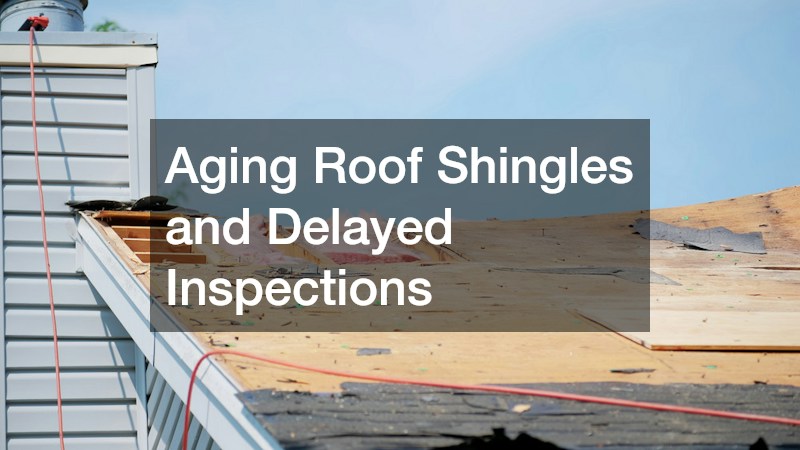
A roof is one of the most expensive systems on your home to replace, yet it’s also one of the easiest to ignore because most damage happens out of sight. A few missing or curling shingles might seem cosmetic, but they allow water to seep into the decking underneath, leading to rot, mold, and eventually structural sagging. What starts as a five hundred dollar patch job can turn into a five figure replacement if moisture works its way into the attic insulation and framing.
Reputable roofing companies recommend an inspection at least once a year, ideally after major storms, to catch loose flashing or worn spots before they become leaks. Waiting until you see a water stain on the ceiling means the damage has already spread well beyond the visible spot. Scheduling a professional look-over is far cheaper than dealing with the aftermath of an undetected leak.
- Curling or missing shingles often signal the roof is past its effective lifespan
- Water stains on ceilings usually mean the leak has existed for weeks or months
- Granules collecting in gutters indicate accelerated shingle wear
- Sagging rooflines can point to rotted decking underneath
Commercial Roof Membranes and Business Downtime
For property owners managing retail spaces, warehouses, or office buildings, roofing problems carry an added layer of financial risk because downtime affects revenue, not just comfort. Flat and low-slope roofs are especially prone to ponding water, which can silently degrade the membrane long before any interior signs appear. Commercial roofing companies often find that delayed maintenance requests turn a simple membrane patch into a full tear-off once water has infiltrated the insulation layer beneath.
Beyond the physical damage, a leaking commercial roof can force a business to close temporarily, damage inventory, or void insurance claims if neglect can be proven. Routine inspections are typically far less disruptive than emergency repairs, which often require scheduling contractors on short notice at a premium. Building owners who treat roof maintenance as a recurring line item, rather than a reactive expense, consistently spend less over the life of the building.
- Ponding water is one of the earliest signs of a failing flat roof membrane
- Emergency repairs on commercial buildings often cost more due to rush scheduling
- Undetected leaks can damage electrical systems and inventory
- Insurance claims may be denied if a lack of maintenance is documented
Exterior Wall Damage and Hidden Moisture Intrusion
Siding acts as your home’s first line of defense against wind, rain, and temperature swings, but cracked or warped panels are often dismissed as a purely cosmetic issue. In reality, gaps in siding let moisture behind the exterior wall, where it can rot sheathing and encourage mold growth that’s expensive to remediate. Because this damage happens inside the wall cavity, homeowners frequently don’t notice a problem until the siding is visibly buckling or interior walls start to feel damp.
Replacing a few damaged panels early is a relatively small project, but ignoring the issue for years can mean replacing entire sections of exterior wall framing. Extreme weather accelerates this process, so homes in regions with heavy rain or freeze-thaw cycles need more frequent visual checks. Addressing small cracks or loose panels as soon as they’re spotted keeps the repair simple and contained.
- Warped or bubbling siding often indicates trapped moisture
- Gaps around windows and doors are common entry points for water
- Mold behind siding can spread to insulation and framing
- Faded or chalky siding may have lost its protective coating
Warning Signs Your Air Conditioning System Is Failing
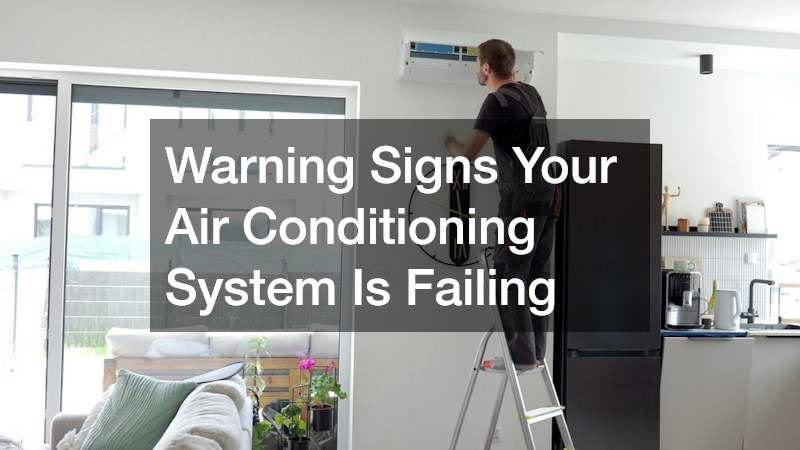
An air conditioning system rarely fails all at once; it usually sends warning signs for weeks or months before it stops working entirely. Strange noises, weak airflow, or a sudden spike in your energy bill are all signals that the system is working harder than it should to compensate for a developing problem. Ignoring these symptoms often means a technician eventually has to replace a compressor or coil instead of a simple part, turning a modest AC repair into a full system replacement.
Delaying maintenance also affects your comfort and health, since a struggling system circulates less filtered air and can allow humidity to build up indoors. Scheduling a professional check at the first sign of trouble is almost always cheaper than waiting for a complete breakdown during the hottest week of summer. Regular filter changes and seasonal tune-ups extend the life of the unit and reduce the odds of a costly emergency call.
- Unusual rattling or grinding noises often signal motor or fan issues
- Weak airflow can point to a failing compressor or blocked ductwork
- Rising energy bills without increased usage suggest declining efficiency
- Ice buildup on the unit is a common sign of low refrigerant or airflow problems
Backflow Prevention Devices and Water Safety Compliance
Many homeowners don’t think about their backflow prevention device until a plumber or local inspector brings it up, but this small valve plays a critical role in keeping contaminated water out of the clean water supply. Backflow testing is often required annually by municipal code, particularly for properties with irrigation systems or fire sprinklers connected to the main water line. Skipping this test doesn’t just risk a fine; a failed or aging valve can allow fertilizer, chemicals, or stagnant water to flow backward into the drinking water system.
The cost of routine testing is minor compared to the potential health and legal consequences of a backflow failure. Some municipalities will shut off water service entirely to a property that hasn’t submitted proof of a passed test, creating an inconvenience that’s far more disruptive than the test itself. Scheduling back flow testing with a licensed professional is typically quick and inexpensive when done on schedule. Keeping this maintenance on a yearly calendar reminder is a simple way to avoid both safety risks and administrative headaches.
- Irrigation systems and fire sprinklers typically require backflow devices
- Many cities mandate annual testing with documentation submitted to the water authority
- A failed valve can allow contaminants into household water
- Noncompliance can result in fines or water service interruption
Garage Door Springs Under Daily Tension
Garage door springs endure enormous tension every time the door opens and closes, and most homeowners never think about them until one snaps unexpectedly. A worn spring often shows subtle signs first, like a door that opens unevenly, sags on one side, or makes a loud popping noise during operation. Because the door itself can weigh several hundred pounds, a sudden garage door spring replacement isn’t just costly, it’s also a safety issue if the door falls unexpectedly while someone is nearby.
Waiting until total failure also tends to strain the garage door opener motor, since it works harder to compensate for a weakened spring, potentially damaging a second component. Routine lubrication and a visual check every few months can catch early wear before it becomes a safety hazard. Addressing a single worn spring proactively is far less expensive than replacing both the spring and a burned-out opener motor at the same time.
- Uneven door movement or sagging often signals spring wear
- Loud popping or snapping sounds can indicate a spring nearing failure
- A broken spring can strain the opener motor and other components
- Annual lubrication reduces friction and extends spring lifespan
Fence Lines and Property Boundary Maintenance
Fencing does more than mark a property line; it keeps pets and children contained, blocks wind, and adds privacy, but a leaning post or rotting board is easy to overlook until it becomes obvious. Wood fencing exposed to moisture without proper sealing can rot from the ground up, weakening the entire structure long before the damage is visible from a distance. Once several posts are compromised, replacing individual boards is no longer enough, and the whole section may need to come down.
Beyond structural integrity, a damaged fence can also become a liability if it fails to contain a pet or creates a tripping hazard for guests. Metal fencing can develop rust at joints and hinges, which weakens hardware over time and eventually leads to sagging gates. Inspecting fence lines each spring and fall, especially after storms, helps catch small repairs before an entire section needs replacing.
- Leaning posts often indicate rot or soil erosion at the base
- Rust at hinges and hardware weakens gate function over time
- Small board repairs are far cheaper than replacing entire sections
- Regular sealing extends the life of wood fencing significantly
Custom Outdoor Structures That Need Seasonal Attention
Outdoor additions like custom decks and built-in patios add real value to a home, but they’re also constantly exposed to sun, rain, and temperature swings that wood and composite materials weren’t designed to handle indefinitely. Loose boards, rusted fasteners, or soft spots in the decking are early warning signs that moisture has started to break down the structure underneath. Left unaddressed, these small issues can compromise structural support beams, turning a simple board replacement into a full rebuild.
Regular sealing or staining protects wood decks from UV damage and moisture absorption, while composite decking should be checked for fastener wear and surface cracking. A structure that was custom built to fit a specific space is also more expensive to replace than a standard prefabricated option, which makes preventive care even more worthwhile. Walking the deck each season to check for soft spots or wobbly railings takes only a few minutes but can prevent an expensive collapse or injury.
- Soft or spongy spots in decking often indicate wood rot
- Rusted fasteners can weaken structural connections over time
- Annual sealing protects against UV and moisture damage
- Wobbly railings should be treated as a safety priority, not a cosmetic one
Storage Structures and Unchecked Foundation Shifts
A backyard storage shed often gets far less attention than the house itself, but neglecting it can lead to costly losses if stored tools, equipment, or seasonal items are damaged by water intrusion. Many sheds sit directly on soil or basic foundations that shift over time, causing doors to stick, walls to lean, and roof seams to separate. A qualified storage shed builder will typically recommend a gravel or concrete base specifically to prevent this kind of settling, but even well-built sheds need periodic checks.
Once a shed’s foundation shifts, water can pool against the walls instead of draining away, accelerating rot in wood-framed structures or rust in metal ones. Catching a leaning shed early often means a simple releveling job, while waiting can mean rebuilding the entire base and replacing water-damaged walls. A quick seasonal walk-around to check the door alignment and roofline can reveal problems long before they become expensive.
- Sticking doors often indicate the foundation has shifted
- Poor drainage around the base accelerates rot and rust
- Leaning walls should be addressed before they worsen structurally
- A level foundation base significantly extends a shed’s lifespan
Managing Costs While Repairs Are Underway
One often overlooked side effect of major repairs is the temporary disruption to daily life, especially when a room or system is unusable during the work. Homeowners dealing with water damage, pest infestations, or a full renovation sometimes need functional furniture without committing to a full purchase while repairs are finished. In these situations, rent to own furniture can be a practical bridge, letting a household stay comfortable without a large upfront cost during an already expensive repair period.
This kind of flexible planning matters because repair costs rarely arrive one at a time; a roof leak might coincide with a failing AC unit or a cracked driveway, stretching a budget in multiple directions at once. Building a small maintenance fund throughout the year, even a modest one, softens the blow when several repairs surface together. Thinking of home maintenance as an ongoing budget line, rather than a series of surprises, makes the financial side far more manageable.
- Temporary furniture solutions can ease the disruption of major repairs
- Setting aside a small monthly maintenance fund reduces financial stress
- Overlapping repairs are common and worth planning for in advance
- Prioritizing safety-related repairs first protects both people and property
Delaying repairs almost never saves money in the long run; it simply shifts a manageable expense into a much larger one down the road. Walking your property a few times a year with a critical eye, and addressing small issues as they appear, is the most reliable way to protect both your budget and your home’s long-term value. Start with the systems that affect safety and structural integrity first, then work through the smaller cosmetic fixes before they become bigger problems.
