
A weekend wiring project can save you money, but a single overlooked detail can turn a light fixture upgrade into a house fire waiting to happen. Every year, thousands of home electrical fires trace back to amateur work that looked fine on the surface but violated basic safety principles underneath the walls. Knowing where DIYers commonly go wrong helps you decide when to grab your own tools and when to pick up the phone instead. This guide walks through the hidden mistakes that make well-intentioned projects genuinely dangerous.
Overloading Circuits With Too Many Devices
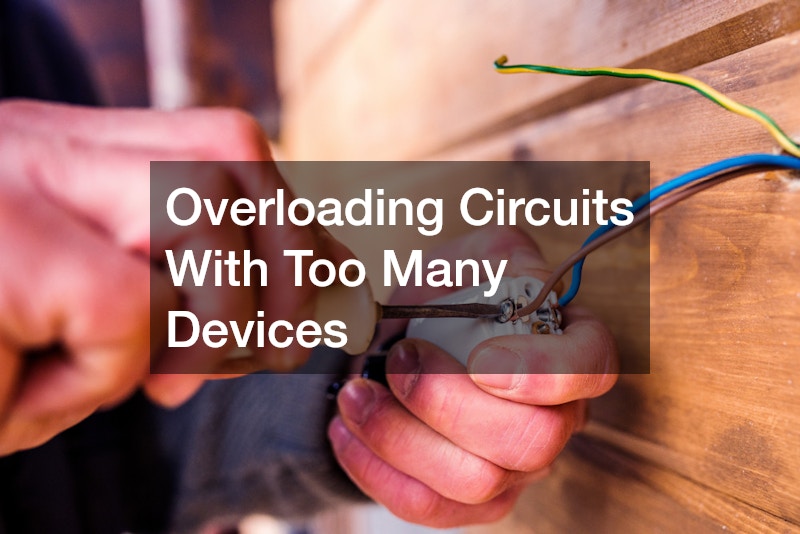
One of the most common mistakes homeowners make is plugging too many high-draw appliances into a single circuit without understanding its amperage limit. A circuit rated for 15 amps can only handle so much before the wire insulation heats up and degrades, even if the breaker hasn’t tripped yet. This is especially risky in older homes where kitchens or laundry rooms were never upgraded to handle modern appliance loads.
If you’re planning a kitchen remodel and adding new appliances like a second oven or a wine fridge, this is exactly the kind of load calculation that gets missed by well-meaning DIYers. A reputable kitchen remodeling service will factor in dedicated circuits during the planning phase, not as an afterthought once the drywall is closed up.
- Avoid daisy-chaining space heaters, microwaves, and toasters on one outlet strip
- Check appliance labels for amperage before adding them to an existing circuit
- Consider dedicated circuits for major kitchen appliances
- Watch for warm outlet covers, a sign of an overloaded line
Mismatched Wire Gauge and Breaker Size
Wire gauge and breaker amperage have to match, and this is one of the easiest things for a DIYer to get wrong. Using 14-gauge wire on a 20-amp breaker, for example, allows more current to flow than the wire can safely handle, creating a fire risk hidden behind the wall. This mistake often happens when someone extends an existing circuit using whatever wire they have on hand rather than checking the original specification.
The fix isn’t complicated once you understand the rule, but it requires knowing exactly what gauge was used originally, which isn’t always obvious without pulling the outlet or panel cover. This is a case where a quick consultation with electrical contractors before starting a project can prevent a dangerous guessing game.
- 14-gauge wire pairs with 15-amp breakers
- 12-gauge wire pairs with 20-amp breakers
- Never assume gauge based on wire color alone
- Label extensions clearly if you add to an existing run
Improper Grounding of New Outlets

Grounding is the wire’s escape route for stray current, and skipping it or connecting it incorrectly is a silent hazard that won’t show up until something goes wrong. Some older homes still have ungrounded two-prong outlets, and DIYers sometimes install modern three-prong outlets on these circuits without actually running a ground wire, creating a false sense of safety. A three-prong outlet with no real ground behind it offers no more protection than the original two-prong version.
Testing whether an outlet is truly grounded takes only a few minutes with an inexpensive outlet tester, and it’s worth doing before trusting any outlet with sensitive electronics. If your home still relies on outdated wiring throughout, it may be time to think about a broader electrical upgrade rather than patching outlets one at a time.
- Use a plug-in outlet tester to confirm real grounding
- Never install a three-prong outlet just to “look” updated
- Check attic and basement wiring for consistency across the home
- Flag any outlet that shows “open ground” on a tester
Water Exposure Near Bathroom and Kitchen Circuits
Water and electricity are a dangerous combination, and bathrooms are one of the highest-risk rooms in the house for wiring mistakes. GFCI outlets are designed specifically to cut power the instant they detect a ground fault, but many DIY installations skip them or install them incorrectly, leaving the circuit unprotected. This becomes even more critical during a bathroom remodeling project, when new outlets are often added near sinks, tubs, or vanities.
Anyone planning to update fixtures, add a heated floor, or move an outlet closer to a mirror should treat GFCI protection as non-negotiable rather than optional. It’s a small component that makes an enormous difference in preventing shock injuries in wet environments.
- Install GFCI outlets within six feet of any water source
- Test GFCI outlets monthly using the built-in test button
- Never bypass a GFCI because it “keeps tripping” without investigating why
- Replace outdated GFCIs, since the technology has improved significantly over the decades
Wire Nut and Connection Errors Inside Junction Boxes

Loose or improperly twisted wire nuts are a leading cause of arcing inside walls, and it’s a mistake that’s completely invisible once the cover plate goes back on. A connection that feels secure by hand can still loosen over time due to vibration, temperature changes, or simple age. When this happens inside a wall with no junction box cover, the risk of sparking near wood framing increases significantly.
Every splice needs to be housed inside an approved, accessible junction box, not buried behind drywall where it can never be inspected again. This single rule is violated more often than most homeowners realize, especially when someone adds a light fixture or extends wiring for a renovation project.
- Twist wire nuts until they feel fully seated, then tug gently to confirm
- Always use a covered junction box for any splice
- Never bury a junction box behind permanent drywall or paneling
- Label box locations on a simple home wiring map for future reference
Wiring Mistakes During Larger Renovation Projects
Wiring problems multiply during bigger renovations, especially when multiple trades are working in the same space and communication breaks down. A kitchen remodel that adds an island with new outlets, a bathroom expansion that requires GFCI protection near water sources, or a basement finish that needs dedicated circuits for future appliances all create moments where electrical work quietly gets more complicated than homeowners expect.
Homeowners coordinating a full-scale renovation sometimes assume electrical work is straightforward enough to handle themselves while professionals manage plumbing or framing, but this is often where corners get cut. Timing makes it worse: drywall goes up fast once framing is done, and rushed wiring done to “just get it closed in” often means missing junction boxes, unlabeled circuits, or connections buried behind finished walls where nobody will see them again until something fails.
Permit requirements add another layer many DIYers overlook, since most municipalities require inspection sign-off before walls are closed, and unpermitted work can complicate insurance claims or resale down the line. Established home remodeling companies typically bring in licensed electricians specifically because mixing DIY wiring into a larger project increases the chance that something gets missed during final inspection, whether that’s improper wire gauge for a new circuit, missing arc-fault protection, or overloaded panels that weren’t sized for the added load. Coordinating trades through one accountable team also reduces the odds that plumbers, framers, and electricians unknowingly work around each other’s mistakes.
The risk is highest when walls are opened for other reasons, like moving plumbing, adding structural support, or knocking out a wall to create an open-concept layout. In these moments, old wiring often gets pushed aside, spliced into, or rerouted without anyone stopping to check whether it meets current code. A contractor focused on framing or pipe placement may not be looking at wiring at all, which means damaged insulation, exposed splices, or overloaded circuits can get sealed right back into the wall.
This is especially common in homes built before the 1970s, where aluminum wiring, cloth-insulated conductors, or ungrounded two-prong outlets are still hiding behind the drywall. Disturbing these systems without addressing them properly can turn a manageable issue into a serious fire hazard once everything is closed up again.
A renovation is actually the ideal time to correct decades-old wiring issues, since the walls are already open and the cost of access is already being absorbed into the project. This is the moment to upgrade panel capacity, add grounding, or replace brittle insulation before it becomes a hidden liability. But that opportunity only pays off if someone qualified — a licensed electrician, not just a general contractor — is looking closely enough to catch problems before the drywall goes back up.
- Have wiring inspected any time walls are opened for other renovation work, even if the project seems unrelated to electrical systems
- Avoid rerouting wires without confirming they’re de-energized first — test with a non-contact voltage tester, not just by checking the breaker label
- Avoid assuming a breaker labeled correctly is actually accurate; mislabeled panels are common in older homes
- Document any wiring changes made during a renovation for future reference, including photos before walls are closed up
- Note wire gauge, circuit routing, and junction box locations in your documentation for future contractors or inspectors
- Ask contractors directly who is responsible for electrical sign-off, and get it in writing before work begins
- Confirm whether a licensed electrician or the general contractor will pull the required permits for any electrical work
Outdoor Wiring Risks Near Pools and Landscaping

Outdoor electrical work carries its own set of hidden dangers, particularly around water features where the stakes for a mistake are much higher. Wiring for pool pumps, lighting, and heaters must be rated for outdoor and wet-location use, and it needs proper bonding to prevent stray voltage in the water itself. This is why installation and repairs around a pool are best coordinated with a pool contractor or local pool company who understands the specific code requirements for these systems.
Beyond the pool itself, buried or exposed wiring for landscape lighting is often installed too shallow or without conduit, leaving it vulnerable to damage from shovels, edging tools, or even lawn care equipment. Anyone planning significant yard work involving buried lines should also sketch out and photograph existing wiring routes, use rigid conduit wherever lines cross walkways or garden beds, and check that connections are housed in weatherproof, locking junction boxes rather than exposed splices.
- Confirm all pool electrical components are rated for wet locations
- Require bonding and grounding on any metal pool equipment
- Bury landscape wiring at the depth required by local code, typically with conduit protection
- Use weatherproof, locking junction boxes for any outdoor splices or connections
Roof and Attic Wiring Hazards Homeowners Overlook
Attics and rooflines hide more wiring than most homeowners realize, from old knob-and-tube remnants to newer runs for attic fans, satellite dishes, or solar-ready conduit. When a roof develops a leak, water tracking along rafters can reach wiring long before it reaches a ceiling stain, creating a hidden shock or fire hazard that goes unnoticed for months. Anyone scheduling a roof repair service after a storm should mention any known wiring in the attic so the crew can inspect for water intrusion near those runs.
It’s also common for satellite or antenna installers, or even homeowners themselves, to staple wiring directly into rafters near existing electrical lines without maintaining proper separation. Local roofers who spend time in attics regularly are often the first to notice deteriorating insulation or rodent damage to wiring, so it’s worth asking them to flag anything unusual while they’re up there.
- Ask about wiring condition whenever attic access is opened for roof work
- Keep low-voltage wiring separated from electrical lines by code-recommended distances
- Address roof leaks quickly to limit water exposure to attic wiring
- Have any exposed or chewed wiring insulation repaired immediately
Yard Maintenance Habits That Damage Buried Electrical Lines
Buried wiring for lighting, outbuildings, or irrigation controls is often installed at a shallow depth, and everyday yard maintenance can nick or expose it without anyone noticing right away. Aggressive edging, aerating, or even manual weed control with a hand tool near garden beds can strike a line that was never marked or was buried too close to the surface. Chemical weed control sprayed near an outdoor junction box can also degrade plastic housings over time, leaving connections exposed to moisture.
Before starting any serious yard project, it’s worth calling for a utility line locate, which is typically free and prevents a lot of accidental damage. If you’re planning a larger dig, such as a trench for new landscaping or a French drain, hiring an excavation company that already coordinates with local utility locators can add an extra layer of protection against hitting buried lines. This simple step takes the guesswork out of digging and protects both the wiring and whoever happens to be holding the shovel.
- Request a free utility locate before digging, planting trees, or installing fencing
- Keep a record of where landscape wiring runs to avoid future accidents
- Inspect outdoor junction boxes annually for cracked or brittle housing
- Avoid pooling water or chemical runoff near buried electrical components
Hidden wiring mistakes rarely announce themselves until something fails, which is exactly why caution matters more than confidence when working around electrical systems. If any project you’re considering involves water, structural changes, or wiring you can’t fully trace, it’s worth pausing and getting a professional opinion before moving forward. Taking that extra step now can save you from a far more expensive and dangerous problem later.
