

Every home has weak spots that quietly work against you, from aging rooflines to hidden underground systems that only announce themselves once something breaks. Left unchecked, these vulnerable points can turn a small maintenance issue into a costly emergency, or worse, a safety hazard for your family. The good news is that most of these problem areas are predictable, which means you can catch them early with the right knowledge and a bit of routine attention. This guide walks through the systems and structures most likely to fail quietly, and what to watch for before they become bigger problems.
Aging Roof Materials and Storm Damage

Your roof takes more abuse than almost any other part of your home, absorbing sun, wind, hail, and heavy rain year after year. Small issues like cracked shingles or rusted flashing rarely look urgent, but they are often the first sign that water is finding its way underneath the surface. Once moisture gets past the outer layer, it can spread into the attic and framing before you ever notice a stain on the ceiling.
Homeowners who are rebuilding or upgrading after storm damage often turn to metal roofing supplies because of their durability against wind and impact compared to traditional shingles. Metal systems also tend to shed snow and debris more effectively, reducing the weight load on your roof structure during winter months. Whatever material you choose, regular inspections after major storms are the best way to catch small damage before it becomes a leak.
Foundation Cracks and Basement Moisture
Foundations shift slightly with the seasons, expanding and contracting as soil moisture levels change. Hairline cracks are usually cosmetic, but wider cracks or ones that grow over time can signal a structural problem that needs professional evaluation. Basement moisture, musty odors, and efflorescence, the white chalky residue on concrete, are all early warning signs worth taking seriously.
Grading around your home plays a bigger role in foundation health than most people realize. Soil that slopes toward the house instead of away from it pushes water directly against the foundation walls, accelerating cracking and settling. Correcting the slope and extending downspouts away from the house are simple fixes that prevent much larger repairs later.
Septic System Backups and Drain Field Failure
If your home relies on a septic system, it is one of the most overlooked vulnerable points on the property. Systems that go too long between maintenance visits are far more likely to experience backups, slow drains, or complete drain field failure, which can be extremely expensive to fix. Scheduling routine septic pumping services every three to five years helps prevent solids from building up and overwhelming the system.
Warning signs of septic trouble are often subtle at first, which is why many homeowners miss them until the problem is severe. Watching for these signals can save you from a much bigger mess.
- Slow draining sinks or toilets throughout the house
- Gurgling sounds in the plumbing
- Standing water or unusually green patches near the drain field
- Sewage odor near the tank or yard
- Sewage backing up into tubs or floor drains
Outdated Electrical Panels and Wiring

Homes built more than a few decades ago often have electrical panels that were never designed to handle today’s appliance loads. Overloaded circuits, flickering lights, and warm outlets are signs that the system is struggling to keep up. This kind of strain is one of the leading causes of house fires, making it a vulnerability that deserves prompt attention rather than a wait-and-see approach.
If you are already planning renovations, it is worth having an electrician assess the panel alongside any structural work. A qualified home remodeler can coordinate updates to wiring and panel capacity at the same time as other improvements, which is often more cost effective than tackling electrical work separately later. Bundling these upgrades also reduces the number of times walls need to be opened up.
Peeling Exterior Paint and Wood Rot

Paint is not just cosmetic, it is a protective barrier against moisture, insects, and UV damage. Once paint starts peeling, cracking, or bubbling, the wood or siding underneath is exposed to the elements and can begin rotting faster than most homeowners expect. Catching this early is far cheaper than replacing whole sections of siding or trim.
Professional painting companies typically inspect the surface for rot and moisture damage before applying any new coats, which helps ensure the new paint job actually protects the structure rather than just covering up a deeper problem. Repainting on a five to seven year cycle, depending on your climate, is a reasonable target for most exteriors. Trim, window sills, and areas near gutters tend to fail first and deserve extra attention during inspections.
Pest Infestations in Walls and Attics
Termites, carpenter ants, and rodents can cause significant structural damage long before you notice any visible signs. A single termite colony can consume enough wood to compromise a support beam within two to three years, while carpenter ants hollow out damp lumber to build their nests rather than eating it. These pests often target moisture-damaged wood, which means a leaky roof, clogged gutters, or a damp basement can indirectly invite an infestation by softening the wood fibers they prefer. Rodents present a different but equally costly problem. Mice and rats gnaw on electrical wiring, insulation, and framing to build nests, and their constant chewing can create fire hazards hidden deep inside walls. A single rat can squeeze through a gap as small as half an inch, making minor exterior cracks and unsealed utility penetrations easy entry points. By the time you hear scratching in the walls, see sawdust piles near baseboards, or notice hollow-sounding trim, the damage may already be extensive. Warning signs worth investigating immediately include small holes in drywall, discarded wings near windowsills, mud tubes along foundation walls, and a faint musty odor in attic spaces. Annual inspections, especially after heavy rain or before winter, can catch infestations while repairs are still simple and affordable.
Scheduling regular visits from local pest control providers is one of the most effective ways to catch infestations early, especially in older homes or homes surrounded by mature trees. Technicians know what to look for in crawl spaces, attics, and foundation lines that most homeowners would miss, including subtle clues like frass, sagging insulation, or faint scratching sounds within wall cavities. They also carry the tools and training to identify termite mud tubes, carpenter ant galleries, and rodent nesting sites before they cause structural damage. Annual inspections are a reasonable baseline, though homes in humid or heavily wooded areas may benefit from more frequent checks, such as twice-yearly visits in spring and fall when pest activity tends to spike. Homes near wood piles, dense landscaping, or standing water are especially vulnerable and may warrant quarterly monitoring instead. Beyond scheduled inspections, a good local pest control provider can install monitoring stations around the foundation and offer targeted treatments based on your region’s common pests, whether that’s carpenter ants in the Northeast or termites in the Southeast. Keeping a written record of past inspections and treatments also helps technicians spot patterns over time, making it easier to catch a recurring problem before it becomes a costly repair.
Cross Connections and Contaminated Water Supply
Backflow occurs when water pressure changes cause water to flow in the wrong direction through your plumbing, potentially pulling contaminants back into your clean water supply. This can happen during a sudden drop in municipal water pressure — caused by a water main break, firefighting activity, or even routine maintenance — which creates a vacuum effect that siphons water backward instead of forward. This is a bigger risk than most homeowners realize, especially in homes with irrigation systems, pools, swimming pool fill lines, or other outdoor water connections. A garden hose left submerged in a bucket of soapy water or a pool full of chlorinated water is all it takes to create a pathway for contamination if a backflow preventer isn’t installed or isn’t working properly. Fertilizers, pesticides, and pool chemicals are among the most common contaminants pulled into household water this way. Backflow prevention devices — such as vacuum breakers, double-check valves, or reduced pressure zone assemblies — are designed to stop this reverse flow before it reaches your tap. Many municipalities actually require periodic testing, often annually, to ensure these systems are functioning correctly, and failing to comply can result in fines or a water service shutoff. Testing typically costs between $50 and $150 and must usually be performed by a certified backflow tester, so it’s worth checking your local code requirements before your device lapses out of compliance.
A cross connection forms wherever your home’s clean water supply links up with a potential contamination source, like a garden hose sitting in a bucket of soapy water or an irrigation system tied into your plumbing. Under normal pressure, water flows in the direction it’s supposed to. But if pressure drops due to a water main break or heavy demand elsewhere on the line, backflow can pull contaminants straight into the pipes that feed your kitchen sink. This is why backflow prevention devices exist, and why they need regular attention rather than a one-time install-and-forget approach. Arranging backflow testing services on a yearly basis is a straightforward way to confirm your prevention device is working as intended. Many municipalities actually require annual certification for certain devices, particularly if your home has an irrigation system or a secondary water source connected to the main supply. The test itself is quick, typically taking a licensed technician less than an hour, but skipping it can leave a hidden vulnerability that only becomes obvious when someone in the household gets sick from contaminated tap water. Common warning signs of a failing device include discolored water, unusual odors, or noticeable changes in water pressure, though a device can fail silently with no visible symptoms at all. It is a small task with outsized importance for household safety, and the cost of annual testing is minor compared to the medical and remediation expenses that follow a contamination event.
Pool Equipment and Fencing Safety Checks
An in ground pool adds tremendous value and enjoyment to a property, but it also introduces ongoing maintenance responsibilities that are easy to neglect. Cracked pool decking, deteriorating fencing, and malfunctioning pumps or filters are common vulnerable points that homeowners tend to overlook until a problem becomes obvious. Regular checks on the pool’s structural surround are just as important as maintaining the water chemistry itself.
Safety fencing and self-latching gates deserve particular attention, since these features are often mandated by local codes for good reason. A loose gate or a weakened section of fence can turn into a serious hazard, especially in homes with young children or pets. Building a seasonal checklist for equipment and safety features helps ensure nothing gets missed as the pool ages.
Chimney Flue Buildup and Fire Risk
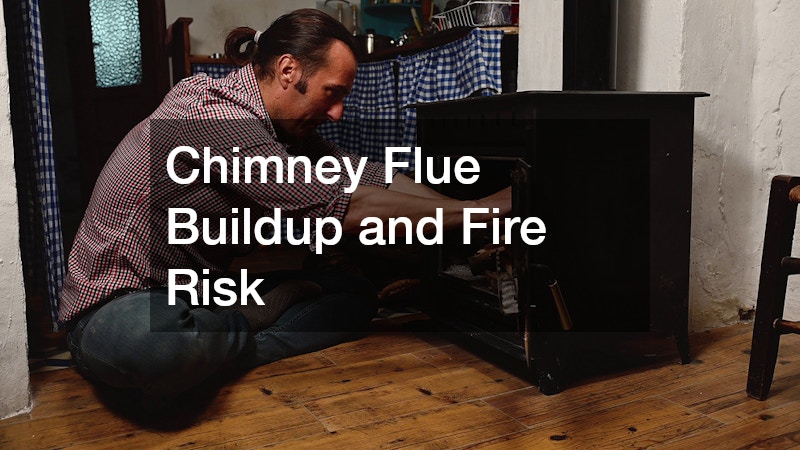
Chimneys accumulate creosote, a flammable byproduct of burning wood, which builds up gradually along the interior of the flue. Over time this buildup significantly increases the risk of a chimney fire, particularly in homes that use their fireplace frequently throughout the winter. Cracked mortar and damaged flue liners add another layer of risk by allowing heat and sparks to reach nearby combustible materials.
Scheduling professional chimney cleaning at least once a year, ideally before the start of heating season, removes creosote buildup and gives a trained eye the chance to spot structural issues early. Homeowners who use their fireplace only occasionally may think they can skip this step, but even light use can leave behind enough residue to pose a risk. A clean, well-maintained chimney is one of the simpler vulnerabilities to manage once it becomes part of your yearly routine.
Overgrown Trees and Storm Preparedness
Large trees near a home look great in photos, but overhanging branches are a common cause of roof damage, gutter clogs, and power line issues during storms. Dead or weak limbs can fall with surprisingly little warning, especially after heavy rain has saturated the soil around the roots, making even moderately sized trees prone to toppling in wind gusts of 40-50 mph. Watch for warning signs like fungus at the base of the trunk, hollow sounds when you tap the bark, or branches that have lost their leaves while the rest of the tree remains healthy. A general rule of thumb is to keep branches at least 6 to 10 feet away from the roofline and any power lines, since limbs can extend or snap unpredictably during high winds. Trees planted within 15 feet of a house are also more likely to cause foundation issues as their roots search out moisture. Keeping branches trimmed back from the roofline and power lines reduces this risk considerably. Schedule professional inspections annually, and more frequently for older or larger trees, since arborists can spot structural weaknesses that aren’t obvious from the ground. If a tree is already leaning or has branches touching utility lines, contact your utility company or a licensed tree service rather than attempting removal yourself.
Scheduling professional tree trimming on a yearly basis, especially before storm season, helps identify weak limbs, split branches, and structural issues in the tree itself before they become a falling hazard. An arborist can spot warning signs homeowners often miss, such as cracks near the trunk, deadwood in the canopy, or roots that have been compromised by construction or drought. Trees positioned within falling distance of the roof, power lines, or windows deserve extra scrutiny, since even a moderate storm can turn a weakened limb into thousands of dollars in damage. For homeowners in regions prone to severe weather, pairing this kind of preventive yard work with a dedicated storm shelter offers a more complete approach to protecting the household when conditions turn dangerous. Shelters can range from a reinforced interior closet to an underground safe room rated for extreme wind loads, and the right choice depends on local building codes, the frequency of tornadoes or hurricanes in the area, and household size. Many manufacturers build these units to FEMA or ICC 500 standards, which is worth confirming before installation. Preparing both the landscape and a safe space to retreat to covers two very different but equally important types of vulnerability. One reduces the chances of damage happening in the first place, while the other ensures the family has somewhere secure to go if conditions escalate quickly. Addressing both together, rather than treating them as separate projects, gives homeowners a much stronger defense against whatever a storm season brings.
Protecting your home does not require constant worry, just a consistent habit of checking the systems and structures that tend to fail quietly. Walking through each of these vulnerable points once or twice a year, and addressing small issues as soon as they appear, will save you significant time, money, and stress down the road. Start with whichever area concerns you most, then work through the rest of the list over the coming months so nothing gets left unchecked.
