

A small drip, a flickering light, or a hairline crack rarely feels urgent when you first notice it. But home systems tend to fail on their own timeline, not yours, and the gap between “minor issue” and “expensive emergency” is often smaller than homeowners expect. Learning to recognize early warning signs across your electrical, plumbing, HVAC, and structural systems can save you thousands of dollars and a lot of stress. This guide walks through the most common trouble spots and how to address them before they force your hand.
Aging Electrical Panels and Warning Signs of Overload

Your electrical panel is the nerve center of your home, distributing power to every outlet, appliance, and system you rely on daily. Panels installed more than 25 years ago were often designed for a home with far fewer devices, and pushing modern demand through outdated wiring can lead to overheating or tripped breakers. Flickering lights, a burning smell near the panel, or breakers that trip repeatedly are all signs the system is struggling to keep up.
Waiting until a panel fails completely is a risky gamble, since it can mean a total loss of power or, worse, an electrical fire. Scheduling an electrical panel replacement before you’re in crisis mode gives you time to plan the upgrade, budget appropriately, and choose a panel sized correctly for your home’s actual load.
- Breakers that trip more than once a month under normal use
- Discoloration or scorch marks around the panel box
- A panel rated below 100 amps in a home with central air and multiple large appliances
- Buzzing sounds coming from the panel itself
- Frequent need for extension cords or power strips as a workaround
Cooling System Maintenance and Timing Your Upgrade
Air conditioning systems rarely quit on a mild spring afternoon. They tend to give out during the first serious heat wave, when every other homeowner on your street is also calling for help. A unit that’s more than 12 to 15 years old, cycles on and off frequently, or struggles to maintain a consistent temperature is telling you it’s on borrowed time.
Bringing in a qualified AC contractor for an annual inspection, ideally in early spring, can catch worn components like capacitors or refrigerant leaks before they cause a full breakdown. Regular maintenance also keeps your system running efficiently, which shows up as lower utility bills over the life of the unit. If a contractor tells you repairs are approaching the cost of a new system, that’s a strong signal to start planning a replacement on your own schedule rather than waiting for a mid-July failure.
Sewer Line Deterioration and Underground Warning Signs
Sewer problems are especially frustrating because the damage happens out of sight until it doesn’t. Tree roots, ground shifting, and simple pipe age can all cause cracks or blockages that back up into your home at the worst possible moment. Gurgling drains, slow-moving toilets, or a sudden patch of unusually green grass in the yard are all early indicators worth investigating.
A camera inspection is the most reliable way to see what’s actually happening underground, and it’s far cheaper than dealing with a collapsed line. If a professional recommends sewer repair, ask about trenchless options, which can fix damaged sections without tearing up your entire yard. Addressing a small crack now is dramatically less disruptive than responding to a full backup later.
- Multiple drains backing up at the same time
- Persistent sewage odor near the yard or basement
- Sinkholes or soft spots in the lawn
- Toilets that gurgle when other fixtures are used
Roof Condition Checks and Choosing Durable Materials
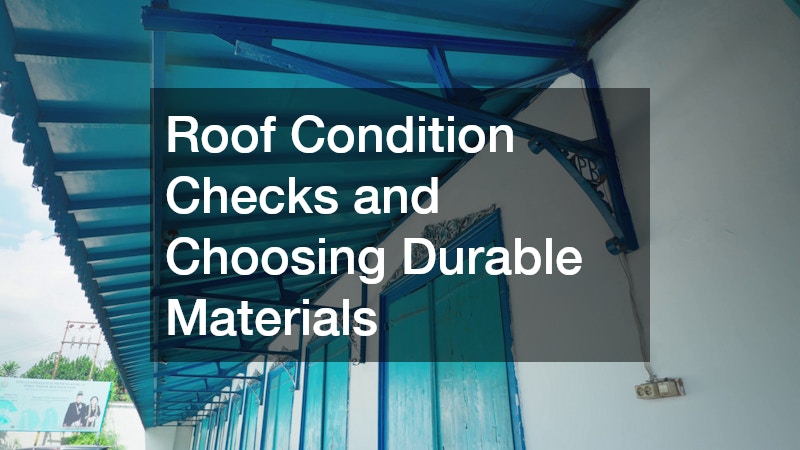
Your roof takes on more abuse than almost any other part of your home, absorbing sun, wind, hail, and heavy rain year after year. Curling shingles, granules collecting in gutters, or visible sagging are all signs that your current roofing material is nearing the end of its useful life. Catching these signs early prevents water infiltration that can damage insulation, drywall, and even your home’s structural framing.
If you’re due for a replacement, it’s worth comparing longevity and durability across materials rather than defaulting to what was there before. Many homeowners are turning to metal roofing contractors for their expertise in installing systems that can last 40 to 70 years with minimal maintenance, especially in areas prone to severe weather. While the upfront cost is higher than asphalt shingles, the extended lifespan often makes it the more economical choice over the long run.
Bathroom Fixture Wear and Preventing Water Damage
Bathrooms take a daily beating from humidity, temperature swings, and constant water exposure, which makes them a common source of slow, hidden damage. Caulking that’s cracked or discolored around a shower enclosure can let water seep behind tile and into the subfloor without any obvious sign on the surface. If you notice soft spots on the bathroom floor or a musty smell that won’t go away, moisture has likely already gotten where it shouldn’t be.
When it’s time to update an aging shower, many homeowners choose frameless glass shower doors for their clean look and easier maintenance, since there’s no metal frame to trap grime or mildew. Beyond aesthetics, a properly sealed enclosure does a better job keeping water contained to the shower area in the first place. Addressing a failing shower enclosure now is far less costly than repairing water-damaged flooring and framing later.
Interior Wall Damage and Refreshing Worn Surfaces
Peeling paint, persistent stains, or bubbling on interior walls often point to a moisture issue rather than a purely cosmetic problem. Before covering anything up, it’s worth identifying whether the root cause is a leaky pipe, poor ventilation, or simple humidity buildup in a room like a kitchen or bathroom. Ignoring these signs and just repainting over them tends to mask a problem that keeps getting worse underneath.
Once the underlying issue is resolved, hiring an experienced interior painting contractor can restore your walls properly, using primers and finishes suited to high-moisture rooms. A professional will also know how to prep damaged drywall correctly so the new paint job actually lasts. Fresh paint applied over an unresolved problem rarely holds up, so sequencing the repair before the cosmetic fix matters.
Countertop Wear and Long Term Kitchen Investment
Kitchen countertops endure heat, moisture, acidic foods, and constant scrubbing, so it’s no surprise they show wear over time. Chips, dulling, or staining are common signs that a surface has reached the end of its practical lifespan, even if it still looks fine from a distance. Laminate typically lasts 10 to 15 years before seams lift or edges start to peel, while natural stone like granite can last decades if it’s resealed annually to keep moisture from seeping into hairline cracks. Small issues are worth watching closely, since they tend to compound. A hairline crack near the sink can widen with repeated temperature swings from hot pots or boiling water, and once water gets underneath a laminate edge, the particleboard core beneath it can swell and warp within months. Replacing a countertop is a good opportunity to reconsider whether your current material actually fits how you use your kitchen. Someone who bakes often may prefer the heat resistance of quartz or butcher block over marble, which scratches and stains more easily with acidic ingredients like lemon juice or wine. Weigh maintenance realistically too: quartz needs almost none, while stone requires periodic sealing to stay stain-resistant. Taking stock now, rather than after a crack forces the issue, gives you room to choose a surface that matches your budget, cooking habits, and how long you plan to stay in the home.
A marble countertop offers timeless style, but it’s porous and can etch or stain if not sealed and maintained regularly, which is worth knowing before committing to it. Sealing typically needs to happen once or twice a year, and even then, something as simple as lemon juice or a splash of wine left too long can leave a permanent mark. That trade-off between beauty and upkeep catches a lot of homeowners off guard after the fact. Homeowners who love the look but want more durability sometimes opt for quartz or engineered stone instead, since these materials resist stains and don’t require sealing at all. Granite splits the difference, offering more heat and scratch resistance than marble while still needing occasional sealing. Butcher block and laminate are budget-friendly alternatives, though they wear differently over time and may need refinishing or replacement sooner. Whichever direction you choose, addressing a failing countertop before it cracks further prevents bigger issues with the cabinetry and plumbing underneath. A hairline crack near the sink cutout, for example, can let water seep down into particleboard cabinet bases, leading to swelling, mold, or a failed seal around the faucet. Catching that early is a far smaller repair than replacing both the countertop and the cabinetry it sits on.
Outdoor Tree Hazards and Property Safety Risks
Large trees add real value and shade to a property, but a dead or structurally compromised tree can become a serious hazard during storms. Cracked bark, fungal growth at the base, or branches that have dropped without warning are all signs a tree may be more dangerous than it looks. Trees positioned too close to a roofline or foundation can also cause slow structural damage even without a dramatic failure.
A certified tree removal company can assess whether a tree needs to come down entirely or simply be trimmed back to reduce risk. Acting on a hazardous tree before a major storm is far safer and often cheaper than dealing with emergency removal after it falls on a roof or power line. Regular inspections, especially after severe weather, help catch problems while they’re still manageable.
- Visible root damage or leaning that has worsened over time
- Large dead branches concentrated in one area of the canopy
- Fungus or mushrooms growing around the base of the trunk
- Bark that is peeling away in large sections
Outdoor Living Upgrades and Weatherproofing Your Space

An outdoor space that isn’t protected from the elements often goes underused for much of the year, especially in climates with heavy rain, strong sun, or seasonal pests. Enclosed patios solve this by giving homeowners a comfortable, protected space that extends usable square footage without the cost of a full home addition. They also tend to hold up better over time than open patios, since furniture and flooring aren’t constantly exposed to weather.
Beyond comfort, a well-built enclosure can improve energy efficiency if it’s insulated and ties into your home’s existing HVAC zones. It’s worth checking local permitting requirements before starting a project like this, since enclosed structures are often treated differently than a simple deck or open patio. Planning ahead avoids costly rework if the project needs to meet specific code requirements.
Planning a Move Around Ongoing Home Repairs
If you’re preparing to relocate while dealing with home system issues, timing becomes especially important, since unresolved repairs can complicate a sale or your own moving schedule. Buyers and inspectors are quick to flag electrical, plumbing, or roofing problems, and unresolved issues can lower your home’s appraised value or stall a closing. Addressing major systems before listing a property tends to result in a smoother sale and fewer last-minute negotiations.
Coordinating repairs with your moving timeline takes some planning, especially if contractors need access to the home during the same window you’re packing and staging. Booking reputable moving companies early, once you have a firm repair and closing schedule, helps you avoid the stress of last-minute availability issues. Building in a buffer between final repairs and your move date also gives you room to address anything unexpected that inspectors might turn up.
Staying ahead of your home’s major systems doesn’t require constant worry, just a bit of regular attention and a willingness to act on early warning signs. Walking through your home a few times a year with this checklist in mind can help you catch small issues while they’re still inexpensive to fix. When something does need professional attention, reaching out to a qualified specialist sooner rather than later almost always saves you money and hassle. Your home will run more smoothly, and you’ll avoid the kind of emergency that never seems to happen at a convenient time.
