

Every homeowner wants their property to be worth more tomorrow than it is today, but not every renovation actually delivers on that promise. Some updates quietly protect and grow your investment, while others drain your bank account without moving the needle. The key is knowing which improvements matter most to future buyers, appraisers, and your own daily quality of life. This guide walks through the strategic updates that genuinely safeguard your home’s value over time.
Know Your Starting Point Before You Spend
Before you swing a hammer or sign a contract, it helps to understand exactly where your home stands in the current market. A professional property appraisal gives you a clear, unbiased snapshot of your home’s value based on size, condition, location, and recent comparable sales. This baseline number becomes your reference point for measuring whether future improvements actually pay off.
Many homeowners skip this step and rely on online estimates, which can be inaccurate by tens of thousands of dollars. A formal appraisal, on the other hand, factors in details a computer algorithm simply cannot see, like the quality of finishes or structural updates. Getting this done every few years, especially before major renovations, keeps your expectations grounded in reality.
First Impressions Still Matter Most
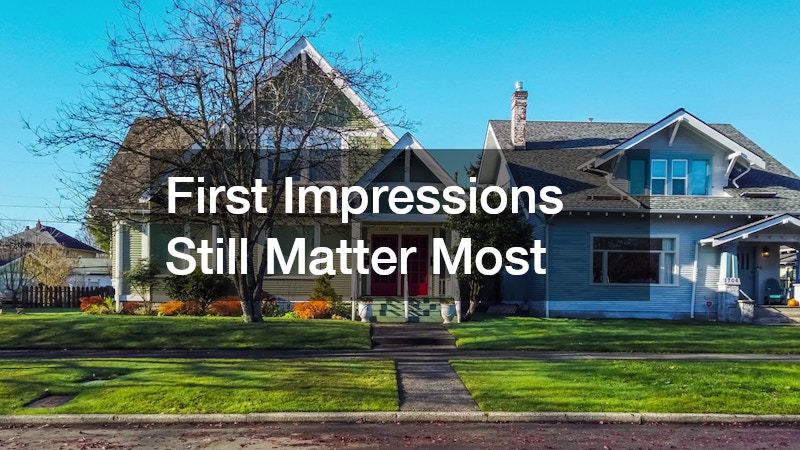
Curb appeal remains one of the most cost-effective ways to protect and boost your home’s value, since it shapes a buyer’s opinion before they even step through the door. Studies consistently show exterior improvements can recoup 50-100% of their cost at resale, making them smart investments even if you’re not planning to sell right away. Faded, peeling, or outdated paint can make an otherwise well-maintained home look neglected, signaling to buyers that deferred maintenance may extend inside as well.
Hiring an experienced exterior painting contractor to refresh siding, trim, and doors is often one of the highest return-on-investment projects available to homeowners. Beyond simply choosing a color, a professional can advise on durable, weather-resistant coatings suited to your climate, proper surface preparation to prevent premature peeling, and finishes that highlight architectural details like shutters or columns.
Small touches matter too: a freshly painted front door in a bold, welcoming color, updated house numbers, and clean, well-lit walkways all contribute to that critical first impression. Even simple additions like potted plants or a new mailbox can make a noticeable difference without requiring a major budget. Together, these details signal pride of ownership and help set the tone for how buyers perceive the rest of the home.
Color choice matters too, since overly bold or trendy hues can actually hurt resale appeal in more conservative markets. A bright turquoise door or a lime-green facade might feel personal and fun, but it can alienate buyers who struggle to picture themselves living there. Neutral tones with subtle accent colors tend to age well and appeal to a broader range of buyers.
Classic choices like warm greige, soft white, or slate gray consistently rank among the top resale-friendly exterior colors, according to real estate appraisers and paint industry surveys. If you want personality, save bold color for a front door or shutters rather than the whole facade; it’s a low-cost way to add character without risking broad buyer appeal. Before committing, check a few neighboring homes to make sure your choice complements the street rather than clashing with it.
A quality exterior paint job also acts as a protective barrier against moisture, sun damage, and pests, extending the life of your siding. High-quality acrylic paints can resist UV fading and cracking for 7 to 10 years, compared to just 3 to 5 years for cheaper alternatives. Investing in proper prep work, such as power washing, scraping, and priming bare wood, ensures the paint bonds correctly and prevents peeling that can expose siding to rot and pest damage down the road.
- Inspect caulking and trim for gaps before repainting, especially around windows, doorframes, and siding joints where moisture tends to creep in
- Choose weather-resistant, high-quality paint for longevity; look for 100% acrylic exterior formulas rated for your climate zone
- Refresh the front door and shutters for an instant lift — a bold color like navy, black, or forest green can boost buyer appeal
- Update door hardware, house numbers, and light fixtures at the same time for a cohesive, polished entryway
- Schedule repainting every 7 to 10 years depending on climate, moving to the shorter end if you’re in a coastal or high-UV region
- Budget roughly $3,000 to $8,000 for professional exterior painting on an average-sized home, depending on square footage and prep work needed
Creating Outdoor Spaces People Actually Use

Outdoor living areas have become a top priority for buyers, especially since more people are entertaining and relaxing at home. Working with skilled patio builders to design a functional stone, paver, or concrete patio can transform an underused backyard into a genuine selling point. A well-built patio also tends to require far less upkeep than a wood deck, which appeals to buyers looking for low-maintenance features.
When planning this kind of project, think about how the space will connect to the rest of your yard and home. Adding shade structures, built-in seating, or a fire feature can increase the perceived value without dramatically increasing the budget. Focus on durable materials suited to your local weather to avoid cracking, shifting, or fading over time.
Updating the Heart of the Home
Kitchens consistently rank among the top rooms buyers and appraisers focus on, making smart kitchen updates one of the safest investments a homeowner can make. According to national remodeling surveys, a well-executed kitchen refresh can recoup 60-80% of its cost at resale, far outpacing many other home improvement projects. Because this room often makes or breaks a buyer’s first impression, even modest, targeted changes can have an outsized impact on perceived value.
Installing granite countertops is a classic upgrade that signals quality and durability without looking overly trendy. Priced typically between $50 and $100 per square foot installed, granite offers a strong return relative to cheaper laminate options while avoiding the maintenance concerns of some engineered materials. Unlike some fashionable materials that fall out of favor, granite has maintained broad appeal for decades because of its natural variation and resistance to heat and scratches.
When choosing a slab, homeowners should consider factors like color consistency, edge profile, and sealing requirements, since periodic resealing helps preserve both appearance and durability over time. Popular neutral tones such as beige, gray, and black granite tend to appeal to the widest range of buyers, while bold or unusual patterns may narrow a home’s market appeal. Pairing granite with updated cabinet hardware or a fresh coat of paint can further enhance the kitchen’s overall impression without requiring a full renovation budget.
A full kitchen remodel isn’t always necessary to see a value bump, since targeted updates often deliver strong returns on their own. Replacing dated countertops, updating cabinet hardware, and refreshing lighting can modernize the space without a massive budget. Minor kitchen updates typically recoup 70-80% of their cost at resale, compared to the 50-60% often seen with a full gut renovation.
Buyers tend to notice countertop material almost immediately, making it a smart place to prioritize spending. Quartz and granite remain top choices for their durability and broad buyer appeal, while budget-friendly laminate options have improved enough to mimic higher-end looks. Swapping outdated brass or oak-toned hardware for brushed nickel or matte black finishes is a low-cost change that instantly signals an updated space.
Lighting deserves equal attention, since dim or yellowed fixtures can make even a newly renovated kitchen feel tired. Layering under-cabinet task lighting with updated overhead fixtures adds both function and visual polish. Together, these smaller investments create a cohesive, move-in-ready impression that resonates with prospective buyers.
Protecting the Water You Rely On Every Day
Water quality is a detail many homeowners overlook until it becomes a problem, but it plays a real role in both daily comfort and long-term home value. Installing whole-home water filtration systems can address issues like hard water, sediment, or unpleasant taste and odor, all of which matter to health-conscious buyers. Clean water also protects appliances, plumbing fixtures, and water heaters from mineral buildup that shortens their lifespan.
Homeowners in areas with well water or older municipal systems often see the biggest benefit from this upgrade. A documented filtration system can be a genuine selling point during a home inspection, since it shows proactive maintenance. It also reduces reliance on bottled water, which is a small but appreciated detail for eco-conscious buyers.
- Test your water annually to identify specific contaminants
- Choose a system sized correctly for your household’s usage
- Maintain filters on schedule to keep performance consistent
- Look into systems that target both taste and health-related contaminants
Keeping Unwanted Pests Out of the Picture

Pest problems can quietly erode a home’s value, and few issues raise more red flags during a sale than signs of an infestation. Effective roach control is essential not just for comfort but for passing inspections without costly negotiations or repairs. Roaches are particularly concerning to buyers because they multiply quickly and can indicate underlying sanitation or structural issues.
Regular preventive treatment is far less expensive than dealing with an established infestation later on. Sealing entry points, managing moisture in crawl spaces, and scheduling routine inspections all help keep pest populations under control. A documented pest management history can also reassure buyers that the home has been consistently cared for.
The Roof Over Your Head Deserves Attention
Few systems affect home value as directly as the roof, since it protects everything underneath it from weather damage. Working with licensed roofing contractors for regular inspections helps catch small issues, like missing shingles or minor leaks, before they turn into expensive structural repairs. Buyers and appraisers alike view roof age and condition as major factors in determining a home’s overall worth.
A roof nearing the end of its expected lifespan can significantly reduce buyer interest, even if the rest of the home is in excellent shape. Replacing an aging roof before listing your home, or simply as routine maintenance, protects both your investment and your family’s safety. Keeping records of inspections and repairs also gives future buyers confidence in the home’s maintenance history.
- Schedule a professional roof inspection every 1 to 2 years
- Watch for granule loss, curling shingles, or sagging areas
- Address minor leaks immediately to prevent structural damage
- Ask for a written estimate before committing to major repairs
Expanding Your Living Space Thoughtfully

When a home starts to feel too small, well-planned additions can add both usable space and long-term value, provided they’re done thoughtfully. A new bedroom, bathroom, or expanded living area tends to offer a stronger return than more novel spaces like sunrooms, especially in family-oriented neighborhoods. The key is ensuring any addition matches the style and scale of the existing home rather than looking like an afterthought.
Before committing to an addition, research what similar homes in your area typically include, since overbuilding for the neighborhood can limit your return. Permits and code compliance matter enormously here, since unpermitted work can create serious problems during a future sale. Working with experienced professionals who understand local building requirements helps ensure the project adds value rather than complications.
Small Upgrades With Surprising Impact
Garage door installation is one of the most consistently high-return projects a homeowner can undertake, often recovering a significant portion of its cost at resale. An old, dented, or poorly insulated garage door can drag down curb appeal even when the rest of the exterior looks great. Newer doors also offer better insulation, quieter operation, and improved security features that buyers appreciate.
When choosing a new door, consider material, insulation rating, and how well the style matches your home’s architecture. Steel and composite doors tend to offer durability with lower maintenance than traditional wood options. This is a relatively quick project compared to larger renovations, making it an efficient way to boost both function and appearance.
Keeping Comfort Systems Reliable Year-Round
Heating and cooling systems are easy to take for granted until they fail, but they play a major role in both comfort and resale value. Partnering with a trustworthy hvac company for regular maintenance helps extend equipment life and catch small issues before they become expensive breakdowns. An efficient, well-maintained system also appeals to buyers concerned about energy costs and indoor air quality.
Replacing an aging furnace or air conditioner before it fails entirely gives you more control over cost and timing than an emergency replacement does. Energy-efficient models can also lower monthly utility bills, which is an attractive selling point in the listing description. Keeping maintenance records organized shows buyers the system has been properly cared for throughout ownership.
Final Thoughts
Protecting your home’s value doesn’t require an endless list of expensive renovations, but it does require thoughtful, strategic choices about where your money goes. Focus first on the systems and features that buyers and appraisers consistently prioritize, from the roof over your head to the water flowing through your pipes. Tackle projects in order of impact and urgency, and don’t hesitate to consult professionals who can help you avoid costly mistakes. With a clear plan in place, you can enjoy your home today while confidently building its value for tomorrow.
