
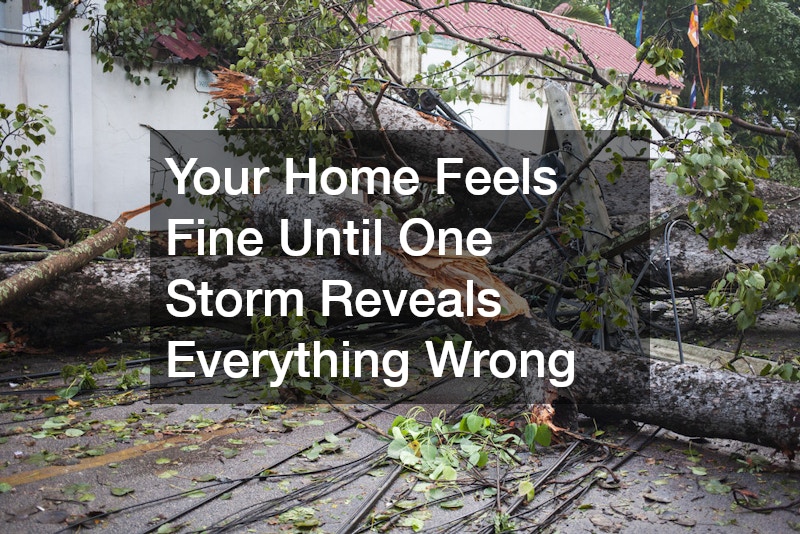
A single storm can undo years of quiet wear and tear on your home, turning small, invisible weaknesses into urgent, expensive problems overnight. The roof that seemed fine, the fence that leaned just a little, the drainage you never thought twice about — all of it gets tested the moment high winds and heavy rain roll through. Understanding which systems are most vulnerable, and what to do the moment damage appears, can save you thousands of dollars and weeks of stress.
This guide walks through the most common storm-exposed weak points in a home, room by room and system by system, so you know exactly what to check and who to call.
Roof Damage That Only Shows Up After Heavy Wind
Roofs rarely fail all at once. Small cracked shingles, lifted flashing, or worn sealant around vents can sit unnoticed for months until a storm applies enough wind pressure and rain to expose the weakness. Once water finds its way under even one loose shingle, it can travel along the decking and show up as a stain on a ceiling far from the actual entry point.
After any significant storm, it is worth having a professional look at the roof rather than assuming it is fine because you do not see an obvious leak. Reputable roofing companies in your area can typically offer a post-storm inspection that checks for granule loss, bent flashing, and soft spots in the decking that indicate trapped moisture. Catching these issues early is almost always cheaper than waiting for a full leak to develop.
- Look for missing or curled shingles from the ground with binoculars rather than climbing up yourself
- Check gutters for excessive granule buildup, which signals shingle wear
- Note any daylight visible through the attic boards
- Watch for water stains on ceilings in the days following a storm, not just immediately after
Fallen Limbs and Trees That Threaten Structural Safety
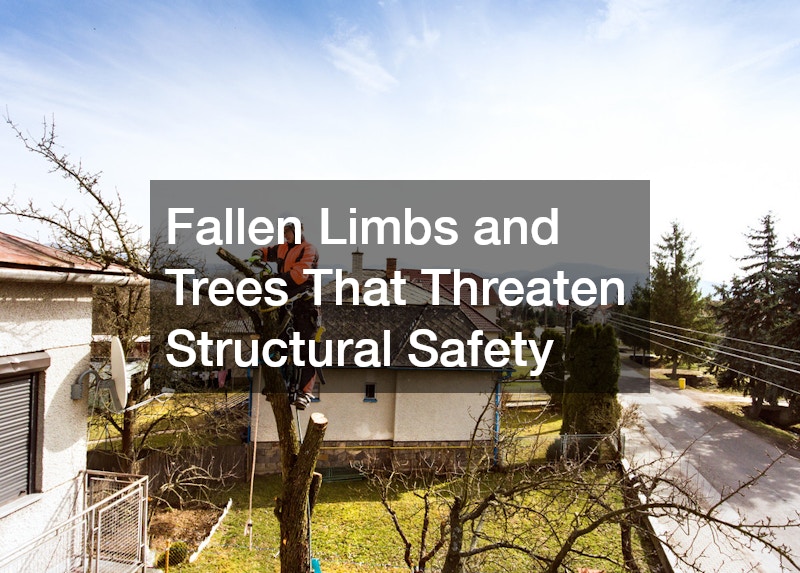
High winds do not just damage roofs directly; they also turn trees into hazards. A tree that looked healthy for years can snap or uproot if its root system was already compromised by soil erosion, disease, or previous storm stress. Even limbs that do not fall immediately may be cracked and ready to drop during the next round of wind.
Storm damage tree removal should be handled carefully, especially when a tree is leaning against a structure or power line. Attempting to cut down a compromised tree without the right equipment can cause more damage to the home or injure someone nearby. Professionals assess the direction of lean, the condition of the root ball, and whether the trunk is under tension before making the first cut.
- Avoid parking vehicles or letting children play near visibly leaning trees
- Photograph any tree damage for insurance purposes before removal begins
- Watch for trees resting on rooflines, which require specialized rigging to remove safely
- Check for exposed roots after heavy rain, which can indicate instability
Foundation Cracks That Widen After Repeated Saturation
Storms dump enormous volumes of water in a short period, and that water has to go somewhere. If your grading, gutters, or drainage system are not directing it away from the house, it pools near the foundation and slowly works its way into hairline cracks that were already there. Over time, repeated saturation cycles can widen these cracks and allow water into the basement or crawlspace.
Foundation repairs are one of those things homeowners often postpone because the early signs seem cosmetic rather than structural. A crack that looks minor today can grow noticeably wider after two or three heavy storms, especially in areas with clay-heavy soil that expands and contracts. If doors start sticking, floors feel uneven, or new cracks appear in drywall near corners, it is worth getting a professional evaluation before the next big rain event.
- Check basement walls and floors for new dampness after every major storm
- Measure and photograph any existing cracks so you can track changes over time
- Pay attention to gaps forming around window frames or exterior doors
- Address downspout extensions so water is carried at least several feet from the foundation
Driveway and Walkway Surfaces That Erode Over Time
Hardscaping takes a beating during storms, especially when water runs across a driveway or walkway instead of draining properly to the side. Repeated flooding can wash out the base material beneath pavers or asphalt, leading to sinking, cracking, or uneven surfaces that become tripping hazards. This kind of damage often develops slowly, with each storm making the problem slightly worse.
If you notice pooling water, shifting pavers, or new cracks spreading across a driveway, it may be time to consult paving contractors about regrading or resurfacing before the damage spreads further. Many surface problems are actually drainage problems in disguise, and fixing only the visible cracks without addressing water flow tends to be a short-term fix at best. A proper evaluation looks at slope, base material, and where water is actually traveling during a downpour.
- Watch for standing water on the driveway more than a few hours after rain stops
- Look for pavers or bricks that have shifted or sunk unevenly
- Check for cracks that widen after freeze-thaw cycles following wet weather
- Note any erosion channels forming along the edges of paved surfaces
Outdoor Living Spaces That Take Direct Storm Impact
Decks and patios are directly exposed to wind, rain, and debris, which makes them one of the first outdoor structures to show storm wear. Loose railings, splintering boards, or fasteners that have rusted and popped loose are all common after a season of severe weather. Because decks are load-bearing structures used by people, these issues carry real safety implications, not just cosmetic ones.
A qualified deck builder can identify whether the damage is limited to surface boards or whether it extends into the ledger board and support posts, which are far more serious. Wood that stays wet for extended periods after a storm is especially prone to rot, and that rot is not always visible from the top of the deck. Regular inspection after major weather events helps catch problems while repairs are still simple and affordable.
- Check railings and stair posts for wobbling or looseness
- Press on deck boards near the ground to feel for soft, spongy spots
- Inspect the ledger board where the deck attaches to the house for gaps or water staining
- Look for rust streaks around fasteners, which can indicate corrosion weakening the connection
Garage Doors That Fail Under Wind Pressure
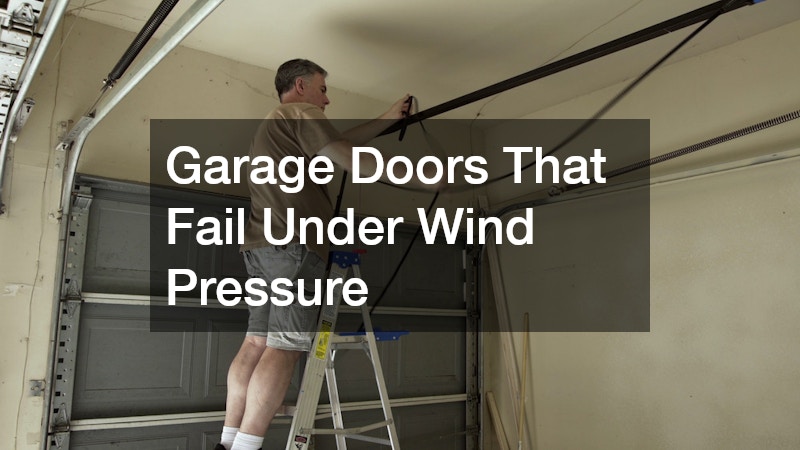
An overhead garage door is one of the largest moving parts on a home, and it is also one of the most vulnerable to wind damage during a storm. Strong gusts can bend panels, pop off rollers, or strain the springs and tracks well beyond what they were designed to handle. A door that suddenly feels harder to open or closes unevenly may already have hidden structural damage.
Because the garage door is often the largest opening on the exterior of a house, a failure during a storm can allow wind and water to enter and cause damage well beyond the garage itself. It is worth testing the door’s balance and listening for unusual grinding or popping sounds after any major weather event. Small adjustments made early are far less expensive than replacing an entire door system after a full failure.
- Test whether the door opens and closes smoothly without jerking motions
- Look for visible dents or bowing across the door panels
- Check that the door seals tightly against the frame with no daylight showing through
- Listen for grinding noises that suggest damaged rollers or a bent track
Cooling Systems That Struggle After Storm Exposure
Outdoor air conditioning units take a real hit during severe weather, from flying debris denting the fins to standing water flooding the base unit. Even when the unit looks fine from the outside, water intrusion into the electrical components can cause failures that show up days or weeks later. A unit that suddenly runs constantly or blows warm air after a storm is sending a clear signal something is wrong.
Scheduling air conditioning repair services after a significant storm is a smart precaution even if the system seems to be working normally. A technician can check refrigerant levels, inspect the coils for bent fins that restrict airflow, and confirm that no debris has worked its way into the electrical housing. Waiting until the middle of a heat wave to discover a storm-related problem is far more stressful than catching it early.
- Clear leaves and debris away from the outdoor unit after every storm
- Listen for unusual rattling or humming that was not present before
- Check that the unit is level, since flooding can shift its base
- Watch for a noticeable drop in cooling performance in the days following bad weather
Plumbing Systems That Reveal Hidden Weak Points
Heavy rain and flooding put pressure on plumbing systems in ways that are easy to overlook. Sewer backups, sump pump failures, and water heater damage from flooding are all common after major storms, especially in homes with older pipes or systems that were already marginal. Water pressure changes during a storm can also expose small leaks that were previously too minor to notice.
If you notice slow drains, gurgling sounds, or unexplained damp spots near pipe runs after a storm, calling for plumbing repair sooner rather than later can prevent a small leak from becoming a major water damage claim. Sump pumps in particular deserve attention, since a failure during the exact moment it is needed most defeats the entire purpose of having one installed. Testing these systems before storm season arrives is far easier than dealing with a flooded basement afterward.
- Test your sump pump by pouring water into the pit to confirm it activates properly
- Listen for gurgling in drains, which can indicate a partial blockage or venting issue
- Check the water heater base for rust or moisture if it sits in a flood-prone area
- Watch for a sudden spike in your water bill, which can point to a hidden leak
Kitchens That Suffer Water and Power Damage Together
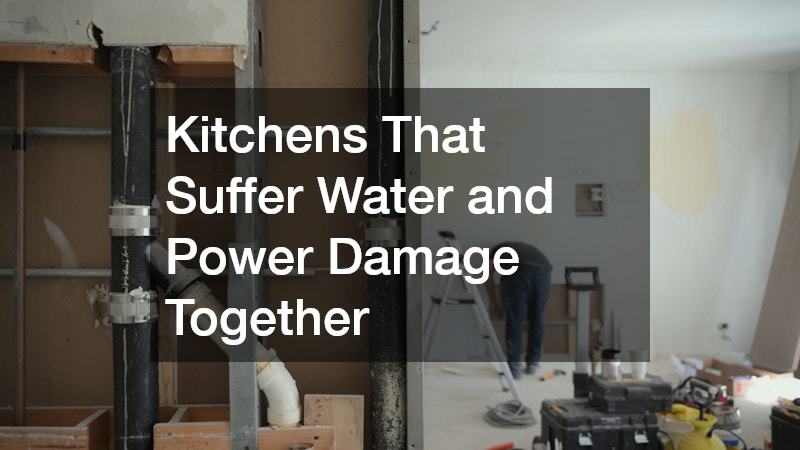
Kitchens tend to combine several vulnerable systems in one place, including electrical outlets, plumbing under the sink, and often a roof or wall section directly above. When a storm causes a leak near the kitchen, it can affect cabinets, flooring, and appliances all at once, turning a single incident into a much larger repair project. Water that gets behind cabinetry is especially problematic because it can cause swelling and mold growth that is not visible until the damage is extensive.
In cases where storm damage is severe enough to affect cabinetry, subflooring, or major appliances, some homeowners find it is actually a good opportunity to plan a broader kitchen remodeling project rather than patching things piecemeal. Addressing water-damaged materials properly the first time prevents recurring issues with warping or mold down the line. It also gives you a chance to reposition appliances or add better sealing around windows that may have contributed to the original leak.
- Check under the sink and around the dishwasher for water stains after a storm
- Open cabinet doors to look for swelling or discoloration in the wood
- Test outlets near the sink or window for proper GFCI function
- Inspect ceiling areas above the kitchen if it sits below an exterior wall or roof section
Relocation Needs When Storm Damage Makes a Home Unlivable
In more severe cases, storm damage can be extensive enough that a home becomes temporarily unsafe or unlivable, particularly when foundation issues, roof failures, or flooding all happen at once. Families in this position sometimes need to relocate belongings quickly, either to temporary housing or to a new property altogether while repairs are underway. This is a stressful, time-sensitive situation, and having a plan in place before it happens makes a real difference.
For homeowners facing a larger move, whether temporary or permanent, business moving companies that also handle residential relocations can offer a faster, more organized transition than trying to coordinate everything alone. Many offer short-term storage options specifically designed for situations like storm displacement, which keeps belongings safe while repairs are completed. Having a clear inventory of what needs to move and what can be temporarily stored reduces confusion during an already difficult time.
- Ask about short-term storage options if repairs will take several weeks or longer
- Get a written inventory of items being moved for insurance documentation
- Confirm whether climate-controlled storage is available for sensitive items
- Plan the move timeline around contractor schedules to avoid double handling
Conclusion
A storm has a way of exposing every weak point a home has been quietly hiding, from the roof down to the foundation and everything in between. Rather than waiting for the next major weather event to find out what needs attention, walk through your property now and address the small warning signs before they become large repair bills. Keep a list of trusted professionals for each system, since having those contacts ready before an emergency saves valuable time when something does go wrong. Taking a proactive approach today is the surest way to make sure the next storm reveals nothing new.
