
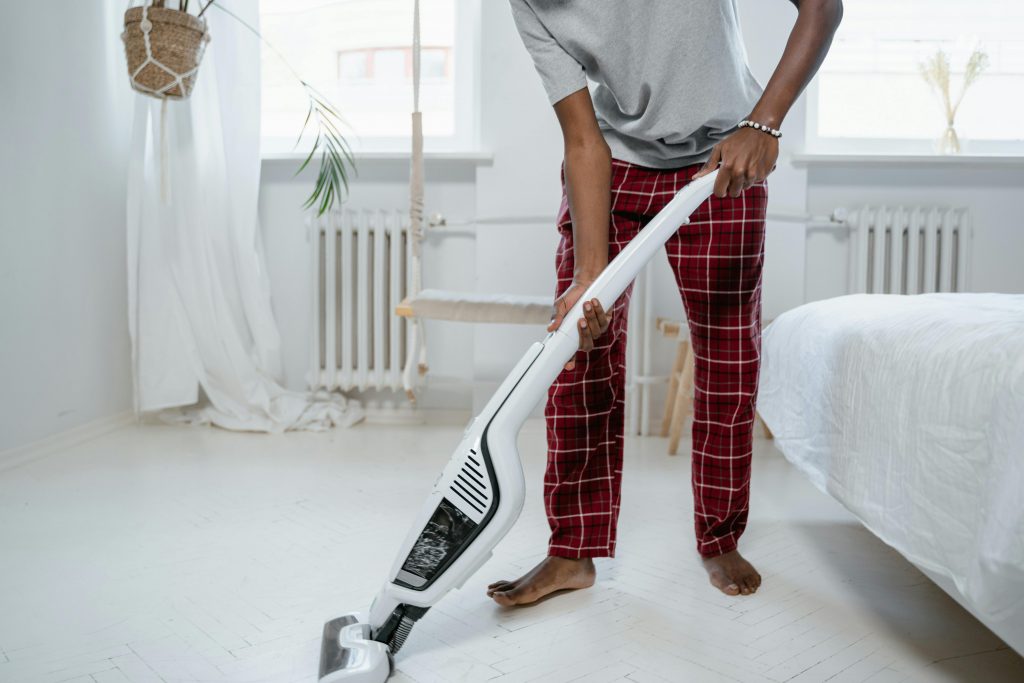
- Preparation is key: Remove clutter, strip the bed, open windows, and set a timer or play music to create an efficient cleaning workflow.
- Dust before vacuuming: Always work from top to bottom to prevent dirt from falling onto already-cleaned areas.
- Follow a step-by-step system: Clean high surfaces first, wipe surfaces, organize items, make the bed, clean the floor, and empty trash and laundry.
- Handle hard-to-reach areas: Pull furniture, clean corners, closet floors, and behind beds to ensure no spot is missed.
- Address difficult challenges promptly: Treat stains, sticky surfaces, and dust buildup immediately to prevent bigger problems.
- Maintain cleanliness consistently: Keep supplies accessible, tackle clutter daily, rotate and purge items seasonally, and involve household members.
- Make cleaning easier and enjoyable: Break tasks into timed sessions, listen to music or podcasts, and reward yourself to stay motivated.
Cleaning your room can feel like a chore, especially if you’re short on time or easily distracted. But with the right strategy, tools, and mindset, you can clean your room efficiently without missing a spot. In this guide, we’ll break down everything you need to know—from preparation to finishing touches—so you can enjoy a clean, organized space without the stress.
Why Cleaning Your Room Efficiently Matters
A clean room is more than just aesthetically pleasing. It can:
- Reduce stress and improve focus
- Create a healthier living environment by reducing dust, allergens, and germs
- Save time in the long run because a regularly maintained room is easier to clean
- Help you find items faster and keep your space organized
Cleaning efficiently doesn’t mean rushing. It’s about having a system that ensures no spot is left untouched.
What Tools and Supplies Do You Need?
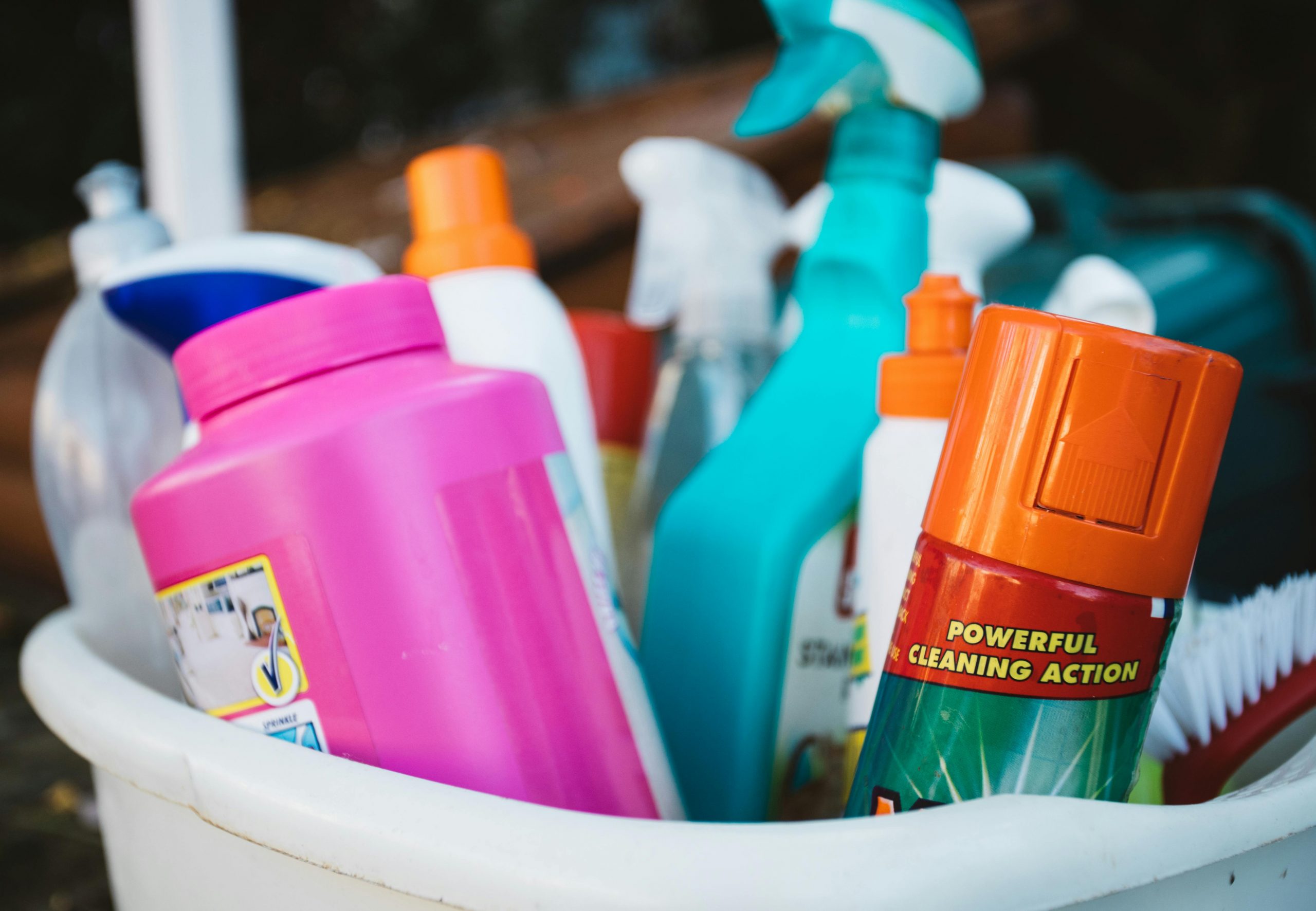
Before you start, gather all the necessary tools. Having everything on hand will save you from backtracking.
Basic supplies:
- All-purpose cleaner
- Microfiber cloths or cleaning rags
- Duster (extendable for ceilings or fans)
- Vacuum cleaner or broom
- Trash bags
- Laundry basket
Optional but helpful items:
- Organizers or storage bins
- Furniture polish
- Disinfectant wipes
- Gloves for sensitive skin
How Should You Prepare Your Room for Cleaning?
Preparation is the secret to efficient, stress-free cleaning. Spending even 10–15 minutes getting ready can save you hours of frustration later. Here’s how to prep your room like a pro:
1. Remove Clutter Strategically
Before you even touch a duster or vacuum, walk through your room and pick up anything that’s out of place. But don’t just shove everything in a drawer—sort items carefully:
- Keep: Items that belong in the room and are used regularly
- Discard: Trash, broken items, or things you no longer need
- Relocate: Items that belong elsewhere in the house
Using three separate boxes or bins makes this process faster and prevents the clutter from coming back later. A clutter-free floor and surfaces also make dusting and vacuuming much easier.
2. Strip the Bed Completely
Your bed takes up a huge portion of your room, and it’s a magnet for dust and dirt. Take off:
- Sheets
- Pillowcases
- Blankets or comforters
- Mattress toppers, if possible
While these are in the laundry, you can clean the surrounding areas and ensure that when you remake the bed, everything is fresh and spotless. For quick efficiency, keep your laundry basket nearby so dirty linens don’t end up on the floor.
3. Open Windows and Improve Ventilation
Fresh air isn’t just pleasant—it actually helps cleaning:
- Dust particles can settle faster, making vacuuming more effective
- Stale odors are reduced
- Natural light helps you spot areas you might otherwise miss
If you’re cleaning in the colder months, open windows for a few minutes or just crack them slightly to keep airflow while minimizing heat loss.
4. Set the Mood and Track Your Time
Cleaning is easier when you’re motivated and organized:
- Play music or a podcast: Upbeat music keeps your energy high, while a podcast or audiobook makes the task feel more engaging
- Set a timer: Breaking cleaning into timed sessions (20–30 minutes) keeps you focused and prevents procrastination
- Visualize the end result: Take a quick mental picture of how clean you want the room to look. This helps you stay on task and avoid skipping areas
By preparing your space, your tools, and even your mindset, you create a workflow that makes cleaning faster, more efficient, and less stressful.
Should You Dust or Vacuum First?
A common question is whether to dust or vacuum first. The answer is: dust first, vacuum second.
- Dusting loosens dirt and particles, which then fall to the floor.
- Vacuuming afterward ensures that all the dust that settled on the floor is removed.
- Don’t forget corners, baseboards, shelves, and ceiling fans when dusting.
How to Clean Your Room Efficiently Step by Step
Cleaning your room efficiently is all about having a system. By working in a structured order, you avoid wasting time, missing spots, or cleaning the same area twice. Here’s a detailed, step-by-step approach to tackle your room like a pro.
1. Start with High Surfaces
Always work from the top down. Dust and dirt fall, so starting high ensures you don’t undo your cleaning later.
Focus on:
- Ceiling fans and light fixtures: Dust with an extendable duster or microfiber cloth. For sticky buildup, use a slightly damp cloth and a gentle cleaner.
- Window sills and blinds: Dust blinds individually and wipe sills with a microfiber cloth. A small paintbrush or toothbrush works well for tight grooves.
- Shelves and tall furniture: Remove items, dust the surfaces, and replace items neatly. Use furniture organizers or trays to keep things tidy.
Pro tip: Use an extendable duster or pole tool to reach corners and high spots safely without a ladder.
2. Clear and Wipe Surfaces
After the high surfaces are dust-free, move to desks, nightstands, dressers, and other surfaces.
- Wipe with a microfiber cloth or lint-free rag to trap dust effectively.
- Remove fingerprints or smudges from mirrors and windows with glass cleaner.
- Polish wooden surfaces if desired—use sparingly to avoid a sticky residue.
- Pay attention to smaller items like picture frames, lamps, and decor; these often collect overlooked dust.
Pro tip: Wipe surfaces in small sections to ensure you don’t miss corners or edges.
3. Organize Items
Cleaning isn’t just about wiping surfaces—it’s also about putting things in order.
Sort and organize:
- Books, stationery, and personal items: Group by type or size and store neatly on shelves or in drawers.
- Clothes: Fold or hang clean clothes; separate laundry that needs washing.
- Electronics and accessories: Organize cords, chargers, and devices in designated spots to avoid clutter.
Pro tip: Organize while cleaning rather than after—it saves a second trip and makes the room instantly look more orderly.
4. Make the Bed
A well-made bed instantly improves your room’s appearance and sets a tidy tone for the rest of the space.
- Wash and replace sheets if needed.
- Smooth out blankets, duvets, and pillowcases.
- Arrange pillows neatly or use decorative throws for a polished look.
Pro tip: If you’re short on time, simply pull sheets tight and fluff pillows. A neat bed gives the impression of a fully clean room even if other areas aren’t spotless yet.
5. Clean the Floor
Floors often collect the most dust and debris, so they should be cleaned after all surfaces.
- Vacuum or sweep thoroughly: Start from the farthest corner and work toward the door.
- Move furniture: Pull items slightly away from walls to vacuum underneath and behind.
- Spot clean stains or spills: Use a damp cloth for hard floors or a carpet spot cleaner for rugs and carpets.
- Optional: Mop hard floors for an extra layer of cleanliness.
Pro tip: Use attachments on your vacuum to clean corners, edges, and under furniture. A crevice tool is perfect for tight spaces.
6. Empty Trash and Laundry
Before finishing, remove anything that could immediately make the room messy again.
- Take out the trash and replace liners to prevent lingering odors.
- Gather dirty laundry and start a load to keep it from piling up.
- Check small bins, under the bed, and in closets for overlooked trash or items to launder.
Pro tip: Keep a small trash bin in your room for daily disposal—this makes future cleaning faster.
How Do You Handle Hard-to-Reach Areas?
Some spots are easy to forget but are crucial for a fully clean room:
- Behind furniture: Pull beds, dressers, and nightstands slightly away from the wall to vacuum or sweep behind them. Dust can accumulate quickly in these hidden areas.
- Closet floors and shelves: Vacuum and dust shelves. Wipe down rods and hooks where dust often collects.
- Corners and edges: Use a crevice tool, small brush, or old toothbrush to reach baseboards, corners, and tight spaces.
Pro tip: Use a flashlight to spot dust in dark corners—it’s amazing how much you might otherwise miss.
How to Stay Motivated While Cleaning
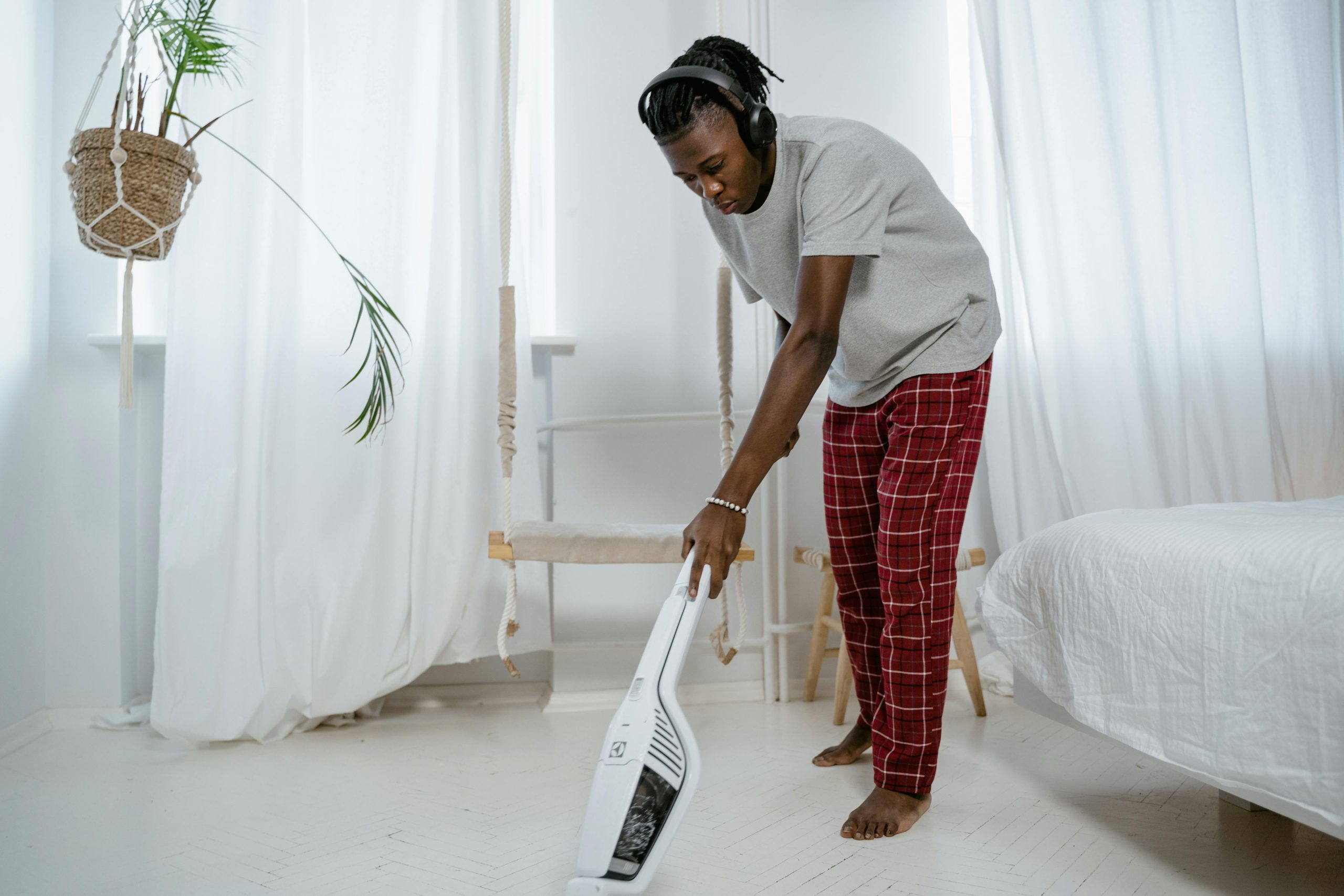
Cleaning can be tedious, but a few strategies make it easier:
- Set a timer for 20–30 minutes and work in sprints
- Listen to music or a podcast
- Break the task into smaller sections (desk, bed, floor, closet)
- Reward yourself afterward with a small treat or break
How Often Should You Clean Your Room?
Frequency depends on your lifestyle and personal preferences:
- Daily: Make the bed, pick up clothes, tidy up surfaces
- Weekly: Dust, vacuum, organize, change sheets
- Monthly: Deep clean corners, clean windows, wipe baseboards
Regular maintenance keeps cleaning time shorter and more manageable.
What Are Common Mistakes to Avoid?
Even when you clean regularly, mistakes can make the effort less effective:
- Skipping high surfaces (dust accumulates on shelves and fans)
- Cleaning in a random order, which wastes time
- Forgetting under furniture or behind doors
- Using dirty cloths or sponges, which spreads dirt instead of removing it
- Ignoring small details like light switches and door handles
How to Make Cleaning Easier in the Future
Once your room is clean, maintain it with simple habits:
- Keep a laundry basket in the room
- Do a five-minute daily tidy-up
- Store items in designated spots to prevent clutter
- Use organizers for drawers, shelves, and closets
Can You Make Cleaning a Routine?
Yes. Creating a routine ensures your room stays clean without overwhelming effort:
- Daily habits: Make bed, put away clothes, tidy desk
- Weekly habits: Dust surfaces, vacuum floors, wash bedding
- Monthly habits: Deep clean, organize drawers, wipe windows
Consistency reduces the need for long, exhausting cleaning sessions.
How Can Technology Help?
Modern tools make cleaning faster and easier:
- Robotic vacuums for daily floor cleaning
- Cordless stick vacuums for quick spot cleaning
- Smart organizers and storage solutions for decluttering
Even small investments can save significant time in the long run.
How to Handle Difficult Cleaning Challenges
Even when you follow a systematic approach, certain cleaning challenges can slow you down or make your room look less clean than it really is. Addressing these issues properly ensures your efforts don’t go to waste.
1. Stains
Stains can appear on carpets, rugs, bedding, or upholstery. The key is to treat them immediately before they set.
- Fabric and clothing: Blot spills with a clean cloth and use a stain remover suited for the material. Avoid rubbing, which can push the stain deeper.
- Carpet and rugs: Use a carpet cleaner or a mixture of water and mild detergent. Blot from the outside in to prevent spreading.
- Upholstery: Test cleaners on a hidden area first, then gently blot with a damp cloth.
Pro tip: Keep a small spot-cleaning kit handy. Quick action saves hours of deep cleaning later.
2. Sticky Surfaces
Sticky residue can come from spilled drinks, adhesives, or accumulated grime on tables, desks, and shelves.
- Use a slightly damp microfiber cloth with a gentle all-purpose cleaner.
- For stubborn stickiness, let the cloth sit on the area for a minute to loosen residue before wiping.
- Avoid harsh scrubbing that can scratch surfaces.
Pro tip: Always wipe in one direction rather than circular motions to prevent streaking.
3. Dust Buildup
Even if you dust regularly, some areas accumulate dust more quickly: ceiling fans, vents, baseboards, and corners.
- Use a slightly damp microfiber cloth or an electrostatic duster. These attract dust instead of just moving it around.
- Work from top to bottom, so any dust that falls is cleaned later when you handle the floor.
- For sensitive electronics, use compressed air or a soft brush instead of a wet cloth.
Pro tip: Regular dusting prevents buildup from becoming overwhelming and reduces allergens in your room.
4. Why Prompt Action Matters
Addressing stains, sticky surfaces, and dust as soon as they appear prevents bigger problems:
- Stains won’t set into fabrics
- Sticky residues don’t damage surfaces
- Dust won’t accumulate into thick layers that are harder to clean
Keeping on top of these challenges makes your overall cleaning routine faster and more effective.
Tips for Maintaining a Clean and Organized Room
Cleaning a room once is great, but maintaining it consistently is the real game-changer. Here’s how to keep your room looking neat without repeated deep cleans:
1. Keep Cleaning Supplies Accessible
- Store a small set of essential supplies in your room: microfiber cloth, dusting spray, trash bag, and disinfecting wipes.
- Quick access encourages spot-cleaning and prevents minor messes from piling up.
2. Deal with Clutter Immediately
- Don’t let clutter accumulate—tackle it as it comes in.
- Sort items into keep, relocate, or discard immediately to prevent piles from forming.
- Encourage a “one-in, one-out” rule for things like clothes or decor.
3. Rotate and Purge Items Seasonally
- Go through your wardrobe, books, and other items every season.
- Donate or discard items you no longer use to free up space and simplify cleaning.
- Seasonal rotation prevents your room from becoming overcrowded and difficult to clean.
4. Encourage Household Members to Help
- If you share your space or live with others, set expectations for keeping common areas clean.
- Simple habits like putting items away immediately, making the bed, or taking out trash reduce your workload significantly.
Pro tip: A clean room is easier to maintain when everyone in the household takes small responsibilities seriously.
How to Make Cleaning Fun and Less Stressful
While cleaning is a task, it doesn’t have to be boring:
- Turn it into a game or challenge yourself to beat the clock
- Listen to upbeat music, podcasts, or audiobooks
- Reward yourself afterward with relaxation or leisure time
Finding ways to make cleaning enjoyable increases the likelihood you’ll stick with a routine.
Final Thoughts
Cleaning your room efficiently without missing a spot doesn’t have to be overwhelming. With a clear plan, the right tools, and consistent habits, you can maintain a clean, organized, and healthy space. Remember:
- Dust before vacuuming
- Work from top to bottom
- Tackle one area at a time
- Maintain routines to reduce effort
By following these steps, you can enjoy a room that’s both spotless and easy to maintain.
