

A home makeover is one of the most exciting and deeply personal journeys you can undertake as a property owner. Transforming the spaces where you sleep, eat, and gather with loved ones is a rewarding prospect, but the reality of executing that vision is often fraught with anxiety. The difference between a beautifully orchestrated dream result and a costly, drawn-out nightmare almost always comes down to one crucial decision: the professional you choose to hire.
Unfortunately, many homeowners rush the hiring phase. Caught up in the excitement of Pinterest boards and design magazines, it is incredibly easy to focus solely on the final aesthetic or the lowest price tag, rather than meticulously evaluating a professional’s communication style, underlying credentials, and specific technical expertise. This oversight is the root cause of abandoned projects, ballooning budgets, and devastating structural errors.
Finding the perfect fit requires a shift in mindset. You must treat the hiring process exactly like a rigorous business interview for a C-level executive. After all, you are handing over tens or even hundreds of thousands of dollars, granting access to your private sanctuary, and trusting someone to alter your home’s structural integrity safely. You are not just buying a finished product; you are entering into a legally binding, high-stakes partnership that will last for weeks or months.
This comprehensive guide is designed to empower you. We will walk you through the exact, actionable steps required to effectively vet professionals, decipher complex bids, and ultimately protect your hard-earned investment. By dedicating the time to perform extensive upfront research, you will save yourself countless headaches, thousands of dollars, and the emotional toll of a project gone wrong. Let’s explore how to navigate the contractor landscape like a seasoned pro.
Step 1: Lock Down Your Scope and Verify Foundational Credentials
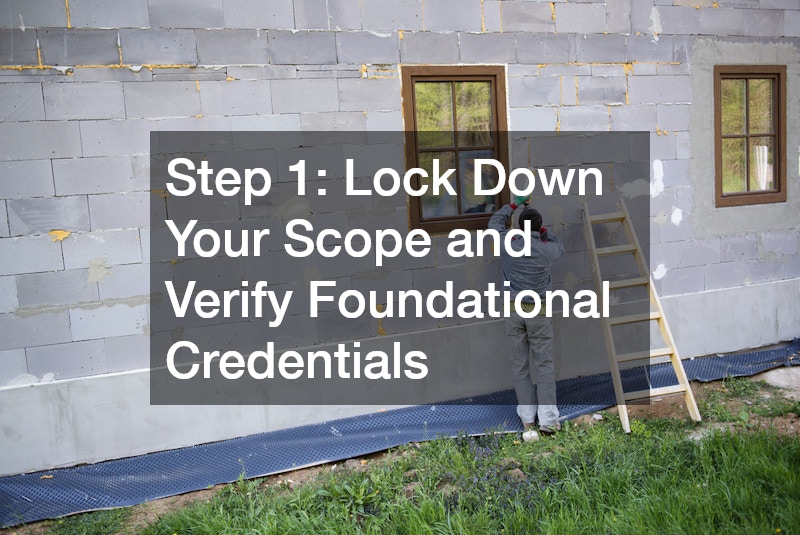
Before you make a single phone call or send an email inquiry, you must define exactly what you want to achieve. Approaching professionals with vague ideas is a guaranteed recipe for miscommunication and budget blowouts.
Separate Needs from Wants to Prevent Scope Creep
Scope creep is the silent budget killer in construction. It happens when a project gradually expands beyond its original parameters, often leading to massive unexpected costs. To combat this, you need to write down a strict, uncompromising list of non-negotiable structural changes versus aesthetic upgrades. Are you tearing down a load-bearing wall, or are you just updating the trim? Are you completely gutting a space down to the studs, or are you looking for a cosmetic refresh?
When you approach a broad house renovation company with a highly defined, itemized scope of work, you immediately set the tone that you are an informed and serious client. Having a locked-down scope prevents eager salespeople from upselling you on high-margin services you never actually needed in the first place. More importantly, when you hand the exact same scope document to three different professionals, it ensures that you are comparing apples to apples when reviewing their initial estimates. If your scope is vague, Contractor A might bid for basic builder-grade materials, while Contractor B bids for luxury finishes, making their prices impossible to accurately compare.
Demand Proof of Active Licensing and Insurance
It is a golden rule of real estate improvement: never take anyone’s word for their credentials. A glossy brochure or a smooth sales pitch means nothing if the underlying legal protections are missing. You must actively ask for their state or local license number and take the five minutes required to verify it through your local government’s licensing board website. Ensure that the license is active, in good standing, and actually registered to the person standing in your living room, not a “borrowed” license from a friend in the trade.
Insurance is equally, if not more, critical. You must verify that they carry both comprehensive general liability insurance and workers’ compensation insurance. General liability protects your property if they accidentally flood your living room or crack a foundation wall. Workers’ compensation protects you from a devastating lawsuit if a worker is injured on your property. If you are hiring comprehensive home remodeling services that manage multiple trades under one umbrella, you must ask if their insurance policy explicitly covers the independent subcontractors—like plumbers and electricians—that they bring onto your property.
-
Actionable Verification Checklist:
-
Request a physical copy of their Certificate of Insurance (COI) and call the issuing agency to verify it hasn’t lapsed.
-
Check your state’s database for any pending legal actions or severe complaints against their license.
-
Ask for a copy of their standard contract template before they bid, to review their dispute resolution and warranty clauses.
-
Verify that they are bonded, which provides a financial safety net if they abandon the project mid-way.
-
Step 2: Vet Portfolios for High-Traffic Interior Zones

A portfolio is essentially a contractor’s highlight reel. Naturally, they are only going to show you their absolute best work. Your job is to look past the shiny, staged photography and critically analyze the technical execution hidden within those images.
Look Beyond the Glamour Shots in the Gallery
It is easy to be blinded by expensive fixtures and trending paint colors. However, a beautiful room can hide a multitude of construction sins. When evaluating portfolios, you need to zoom in closely on the technical details. Look at the corners where baseboards meet—are the miter cuts tight and gap-free? Look at the tile work—are the grout lines perfectly symmetrical, and do the tiles sit completely flush with one another, or is there noticeable “lippage”?
When interviewing a specialized bathroom remodeling company, the most important questions have nothing to do with aesthetics. You need to ask them to explain what is happening behind the beautiful tile in their photos. Ask them about their preferred waterproofing membranes. Ask how they ensure proper slope to the drain in custom mud pans. Inquire about their strategies for moisture control and ventilation to prevent toxic black mold from forming inside your walls five years down the line. A true professional will be eager to discuss their meticulous prep work, while a corner-cutter will try to pivot the conversation back to the superficial finishes.
Ask for References from Projects of Similar Age and Style
Every home has its own unique structural personality. A contractor who executes flawless work in a brand-new, perfectly level subdivision might completely flounder when faced with the frustrating quirks of an eighty-year-old historic home. Older homes hide lead paint, asbestos, knob-and-tube wiring, sagging joists, and walls that are notoriously out of plumb.
You must request references for homes built in the same decade and architectural style as your own. You need to know how the team handles inevitable surprises. For example, if you are consulting with specialized cabinet designers, it is vital to ask their past clients how well the team managed awkward corners, unlevel floors, or custom storage requests that are specific to older, closed-off floor plans. Installing prefabricated boxes on a perfectly flat wall is easy; scribing custom woodwork to match a bowed, plaster-and-lath wall requires master craftsmanship.
-
Questions to Ask Past References:
-
Did the crew show up on time every day, and did they clean up the site before leaving each evening?
-
When unexpected issues arose behind the walls, how did the contractor communicate the problem and the cost to fix it?
-
Did the project finish reasonably close to the projected timeline and budget?
-
How has the work held up after a year of daily use? Are there any cracking grout lines or sticking doors?
-
Step 3: Scrutinize Material Handling and Niche Expertise
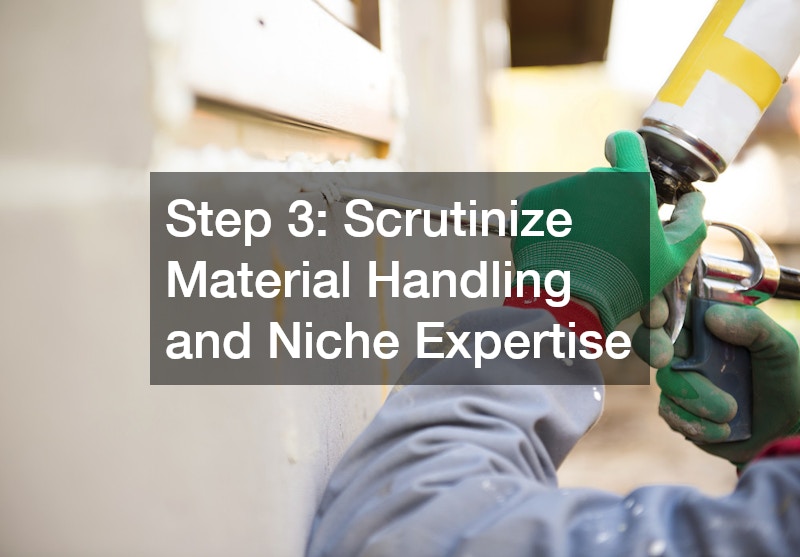
Certain upgrades require a level of precision that generalists simply do not possess. When a project involves heavy, fragile, or highly specific materials, your vetting process needs to become exponentially more rigorous. Small errors in this phase don’t just look bad; they can be incredibly dangerous.
Assess Their Approach to Measurement and Tolerances
In the world of high-end finishes, fractions of an inch separate a masterpiece from a disaster. If a contractor is cavalier about their measuring process during the consultation, it is a massive red flag. Ask them to walk you through their specific process for templating and measuring the space. Do they use laser levels? Do they measure multiple times before ordering bespoke materials?
Consider the exacting standards required for luxury bathrooms. The installation of heavy, frameless glass shower doors requires perfectly plumb walls and heavy-duty, reinforced framing behind the tile to safely anchor the hinges. If the framing is off by even a quarter of an inch, the heavy enclosure will not close properly, will leak water constantly, and could eventually shatter due to uneven stress. You must ask the contractor how they prep the raw space to handle these incredibly strict, zero-margin-for-error tolerances before the drywall even goes up.
Verify Property Lines and Permit Responsibilities
Any project that alters the exterior boundary of your property or involves significant structural changes requires meticulous legal oversight. Boundary projects are notorious for causing bitter neighborly disputes, expensive legal trouble, and fines from the city if handled improperly. You must ensure that the contractor explicitly states in their contract who is responsible for pulling the necessary municipal permits, scheduling city inspections, and verifying local zoning laws.
Never let a contractor convince you to pull the homeowner permit yourself to “save money.” If you pull the permit, you assume all legal liability for code violations. If you are having a custom wood fence installed along your property line, you must ask the contractor how they legally verify the boundary. Do they require an official surveyor’s pin check? Furthermore, ask about their strict protocol for calling your local underground utility locator service (like 811) before they dig a single post hole. Hitting a buried gas line or a municipal fiber optic cable because the contractor skipped this vital step can result in catastrophic fines and incredible danger to your neighborhood.
-
Red Flags During the Niche Vetting Process:
-
The contractor tells you that pulling permits is unnecessary for major structural, electrical, or plumbing work.
-
They rely solely on your old, potentially outdated property plat map rather than suggesting a modern survey for boundary work.
-
They do not take detailed notes, photos, or measurements during their initial walkthrough of the space.
-
They dismiss your concerns about heavy material anchoring as “something they will figure out on site.”
-
Step 4: Screen Pros for Major Terrain and Exterior Transformations

Transforming your exterior property involves battling the elements. Nature is unforgiving, and exterior projects are subjected to relentless rain, freezing temperatures, baking sun, and ground settling. Hiring an exterior professional requires focusing heavily on geology and engineering, not just botany and aesthetics.
Evaluate Their Drainage and Grading Plans First
The most beautiful outdoor areas in the world are completely useless if they result in water pooling against your home’s foundation and flooding your basement. The single most critical part of any exterior makeover is comprehensive water management. Long before you discuss the color of the pavers, the shape of the retaining walls, or the layout of the seating area, you must demand a clear explanation of how they plan to move water away from your home.
Ask the professional to walk your property and point out the existing slopes, the current gutter downspout performance, and potential low spots where water will naturally pool. A reputable hardscaping contractor will make drainage their number one priority. They should proactively suggest solutions like installing subsurface French drains, catching basins, or aggressive re-grading of the soil away from the foundation before any decorative stone is ever laid. If they seem unconcerned about water runoff, eliminate them from your list immediately.
Check for Knowledge of Local Soil and Climate Realities
Your exterior professional must have a deep, scientific understanding of how your specific local weather and soil conditions will impact the materials over time. What works in a dry, sandy climate will fail miserably in an environment with heavy clay soil and frequent rain.
A truly comprehensive landscape design needs to account for the mature root systems of new plantings—ensuring they won’t eventually crack your foundation or destroy buried plumbing lines. The professional must also understand local soil acidity, shade patterns, and the devastating impact of freeze-thaw cycles. Water expands when it freezes; if the base materials under a walkway hold water and then freeze, the ice will heave the stones upward, destroying the path in a single winter. Ensure the professional you hire isn’t recommending porous stones, delicate plant life, or improper base materials that are destined to fail in your specific climate zone within a year of installation.
-
Crucial Exterior Interview Topics:
-
Soil Testing: Do they test the compaction rate and composition of the soil before digging foundations for retaining walls?
-
Base Depths: In freeze-thaw climates, how deep do they excavate for footings to ensure they sit below the frost line?
-
Weed Management: What commercial-grade barriers and polymeric sands do they use to prevent aggressive weed growth between pavers?
-
Warranties: What is their specific warranty policy regarding plant mortality and hardscape settling over the first 24 months?
-
Step 5: Navigate Complex Bids for Outdoor Upgrades

The bidding phase is where the rubber meets the road. This is the moment where verbal promises must be translated into legally binding numbers. Deciphering construction bids can be incredibly confusing, as there is no universal standard for how they are written. However, learning to read between the lines of a bid is the ultimate safeguard for your budget.
Ensure Utility Runs are Clearly Itemized in the Contract
Complex outdoor living projects are essentially building a miniature, open-air house. They require running new, heavy-duty gas lines, high-voltage electrical conduits, and pressurized plumbing lines from your main house out into the yard. These utility runs require extensive labor, deep trenching, and specialized, outdoor-rated materials that can survive buried in the dirt.
If you are reviewing multiple bids for an elaborate backyard kitchen, you must carefully scrutinize the line items. Check that the cost of the trenching equipment, the specialized piping, the weatherproof GCFI outlets, and the master electrician’s labor are explicitly separated and detailed. A bid that lumps all of this highly specialized work into a generic, vague “materials and labor” category is a massive red flag. Vague bids give the contractor total leverage to hit you with massive “change orders” mid-project, claiming that the trenching was much harder than anticipated and wasn’t fully covered in the initial generic price. Demand line-item transparency for every single utility run.
Throw Out the Outlier Bids (Too High or Too Low)
The standard advice is to get at least three bids for any major project, but it is equally important to know how to analyze those three numbers. If you receive three bids and one is drastically cheaper than the other two, human nature will tempt you to take the deal. Resist this urge. In the construction industry, a severely lowball bid almost always means the contractor has desperately underestimated the scope, plans to hit you with hidden fees later, or is actively planning to cut invisible, dangerous corners to maintain their profit margin.
For load-bearing, heavy outdoor spaces like expansive patio installations, a suspiciously low bid often means the contractor is intending to skip the essential, labor-intensive preparation steps. They might plan to dig a shallow base, use cheap dirt instead of a proper crushed gravel sub-base, and skip the mechanical compaction process entirely. The surface might look okay on day one, but without that heavy, compacted foundation, the entire structure will inevitably sink, heave, and crack under its own weight within a few seasons. Conversely, an outrageously high bid might mean the contractor is too busy to take your job, so they threw out a “go-away” number, or they are severely overcharging for basic materials. Discard the extreme outliers and focus your energy on the professionals whose bids sit comfortably in the sensible middle ground, backed by itemized details.
-
The Anatomy of a Perfect Construction Bid:
-
Detailed Material Specs: It should list exact brand names, model numbers, and finishes for all major fixtures, not just say “faucet” or “stone.”
-
Payment Schedule: It should tie payments directly to completed project milestones (e.g., 10% down, 20% after framing, 20% after rough-in plumbing), never demanding 50% or more upfront.
-
Timeline Projections: It should include an estimated start date, a projected end date, and clauses detailing how weather delays or supply chain issues will be communicated and handled.
-
Cleanup and Disposal: It should explicitly state who is paying for the daily dumpster rentals, the port-a-potty for the crew, and the final deep clean of the site.
-
Conclusion
Choosing the right professional for your home makeover is not a passive task; it is an active, rigorous investigative process that demands your full attention. The effort you put in before the first hammer swings will dictate the success, safety, and ultimate joy of your entire project. Checking references meticulously, demanding total transparency in the bidding and contract phase, and inspecting the hidden technical details of their previous work are absolutely non-negotiable steps.
Ultimately, alongside the hard facts and credentials, you must learn to trust your instincts regarding their communication style. A construction project is a high-stress environment. If a contractor is slow to return your calls, dismissive of your legitimate questions, or intentionally vague about project details during the initial “honeymoon” bidding phase, you can guarantee that those frustrating behaviors will only magnify once your house is torn apart and they have your deposit.
Do not let eagerness to start the project pressure you into a bad partnership. Take your time, ask the hard questions, and hold out for the professional who treats your home with the utmost respect. By demanding excellence, clarity, and legal protection upfront, you are not just managing a construction project; you are actively protecting your sanctuary and securing the future value of your most important investment.
