

There comes a point in the journey of homeownership when you look around your living space and face a significant decision: do you pack up, brave the volatile real estate market, and try to find a house that better suits your current lifestyle, or do you stay and mold your existing property into everything you will ever need? Moving is incredibly exhausting, emotionally taxing, and financially draining. Between closing costs, moving fees, and the stress of uprooting your life from a neighborhood you have grown to love, the appeal of staying put is undeniable.
However, staying put means you have to look at your property through a completely different lens. A forever home is not just about making things look pretty for the next five years. It is about creating an environment that will adapt to your evolving physical needs, accommodate changing family dynamics, and stand the test of time both structurally and aesthetically. It requires looking past the cosmetic wear and tear and envisioning the true potential of the bones of your house.
Reinventing your house is a marathon of strategic decisions. It requires a delicate balance of form and function. You are no longer renovating to impress a future buyer; you are renovating to serve yourself for the next two or three decades. This means prioritizing durability, accessibility, and timeless design over fleeting trends. From the deepest corners of the foundation to the outer edges of your backyard, every square foot must be evaluated for its long-term utility.
This comprehensive guide will walk you through the essential phases of turning your current property into a permanent sanctuary. We will explore how to secure your home’s structural envelope, optimize high-traffic areas for future accessibility, reclaim underutilized square footage, and curate an environment that brings you peace and comfort every single day.
Laying a Foundation for the Next Phase of Life
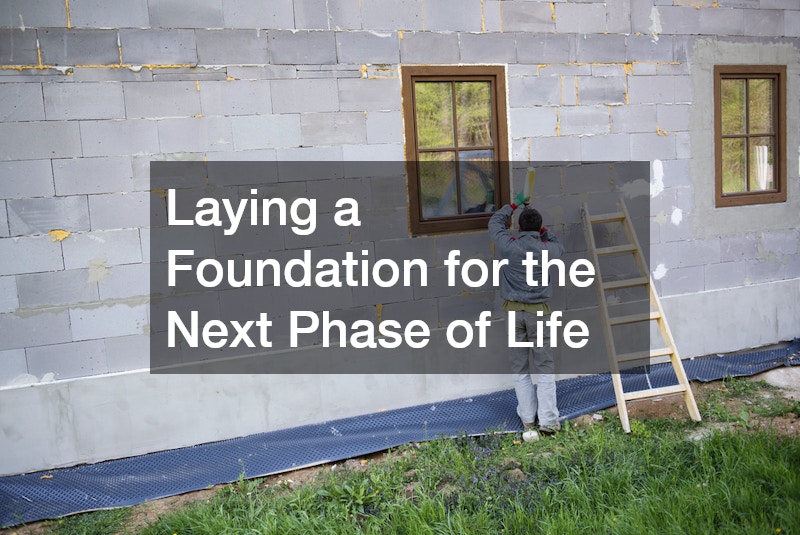
Before you can even begin to think about color palettes, fixtures, or high-end finishes, you must address the literal and metaphorical foundation of your property. Aesthetic upgrades are entirely useless if the structural envelope of your house is compromised. As homes age, they settle, materials degrade, and the way they handle the elements changes. Your first priority in creating a permanent residence is ensuring that it is safe, dry, and structurally sound for decades to come.
One of the most critical elements of long-term home health is moisture management. Water is the enemy of any residential structure. A slow leak or persistent dampness can lead to catastrophic damage, including wood rot, compromised load-bearing beams, and severe mold infestations that can trigger respiratory issues. Before finishing any lower-level spaces or knocking down walls, it is imperative to secure professional waterproofing services to ensure that groundwater and heavy rains are effectively diverted away from your foundation. This preventative measure acts as an invisible shield, protecting every subsequent investment you make inside the house.
Once the envelope is secure, you can begin to reimagine the floor plan. The way you move through your house today might not be the way you move through it in twenty years. The concept of “aging in place” should be at the forefront of your layout decisions.
Consider the following structural changes to future-proof your layout:
- Widen Hallways and Doorways: Standard residential doorways are often too narrow for walkers or wheelchairs. Expanding high-traffic thresholds to at least 36 inches wide ensures unrestricted movement regardless of future mobility changes.
- Create Open Sightlines: Removing non-load-bearing walls between the kitchen, dining, and living areas not only modernizes the space but makes it easier to navigate and communicate across rooms.
- Establish a Main-Floor Suite: If your primary bedroom is currently on the second floor, consider reconfiguring the main floor to include a full bedroom and en-suite. This eliminates the daily reliance on stairs.
- Level the Flooring: Transitioning from hardwood to thick carpet or raised tile can create tripping hazards. Aim for flush, continuous flooring materials across the entire main level.
Executing these types of structural changes goes far beyond the scope of a weekend DIY project. Rerouting plumbing, managing electrical loads, and ensuring that roof weights are properly supported when walls are removed require a high level of expertise. Collaborating with experienced custom home builders is often the most effective way to navigate these massive structural shifts safely. These professionals understand the complex engineering required to alter an existing footprint and can help you seamlessly blend the old architecture with the new, ensuring your layout will serve you safely and comfortably for the rest of your life.
Engineering a Kitchen That Evolves With You
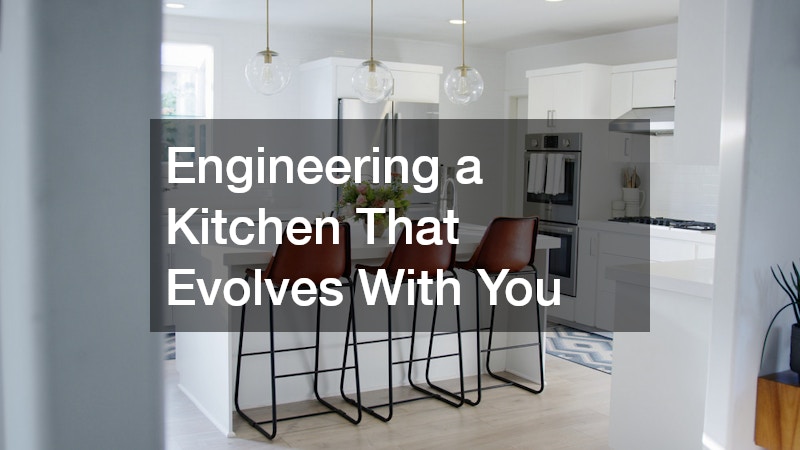
The kitchen is the undeniable heart of the house. It is where meals are prepared, mail is sorted, and late-night conversations happen. Because it is the most heavily utilized room in any residence, it suffers the most wear and tear. When designing a culinary space meant to last for decades, you must look beyond current design fads and focus on ergonomics, highly resilient materials, and a layout that minimizes physical strain.
The “work triangle”—the path between the stove, sink, and refrigerator—remains a fundamental principle of good design, but in a forever home, this concept needs to be expanded. You must minimize the amount of bending, reaching, and heavy lifting required to perform daily tasks.
To optimize your culinary space for long-term use, focus on these actionable upgrades:
- Varying Counter Heights: Not all tasks are best performed at standard counter height. Incorporating a lowered section for seated prep work or baking can drastically reduce back strain.
- Drawer-Heavy Base Cabinetry: Standard lower cabinets require you to get on your hands and knees to find items buried in the back. Replacing doors with deep, heavy-duty pull-out drawers brings your pots, pans, and appliances directly to you.
- Strategic Appliance Placement: Elevate your dishwasher by six to eight inches to reduce bending when loading and unloading. Similarly, opt for a wall oven installed at chest height rather than a traditional slide-in range.
- Layered Lighting Systems: As our eyes age, we require significantly more light to perform tasks safely. Combine ambient overhead lighting with bright, focused under-cabinet task lighting to ensure all work surfaces are brilliantly illuminated without casting shadows.
The surfaces you choose for this room are just as critical as the layout. You need materials that can withstand hot pans, sharp knives, spilled wine, and daily scrubbing without losing their luster. While natural stones like marble are beautiful, they are incredibly porous and require constant maintenance and sealing, making them a poor choice for a low-maintenance future. Instead, investing in highly durable custom countertops made from engineered quartz or ultra-compact surfaces like Dekton is a much smarter long-term strategy. These materials are non-porous, stain-resistant, and nearly indestructible.
To ensure these premium materials are implemented perfectly, partner with a specialized kitchen countertop contractor who can expertly template your new, ergonomically adjusted workspace. They will ensure that edges are rounded to prevent painful bumps and that the seams are perfectly aligned, creating a flawless, hygienic surface that will look exactly the same in twenty years as it does the day it is installed.

Creating a Safe and Serene Personal Retreat
Washrooms are highly personal spaces that serve a dual purpose: they need to be highly functional for daily hygiene, but they should also serve as a private sanctuary for relaxation. However, these rooms also pose the greatest safety risks in the house due to hard surfaces and slippery conditions. Merging the aesthetic of a luxury spa with the rigorous safety requirements of universal design is the ultimate goal.
You do not have to sacrifice elegance to achieve safety. The era of clinical-looking grab bars and institutional fixtures is over. Today, manufacturers create incredibly stylish safety features that blend seamlessly with high-end decor.
When planning a comprehensive bathroom remodeling project, integrate these crucial features to ensure longevity and safety:
- Curbless Walk-In Showers: Eliminating the step over a bathtub or shower threshold drastically reduces the risk of falls. A seamless transition from the main floor into the shower area is visually expansive and fully wheelchair accessible.
- Slip-Resistant Flooring: Large, glossy tiles are incredibly dangerous when wet. Opt for smaller, matte-finish tiles with plenty of grout lines for traction, or specifically textured porcelain meant for wet areas.
- Integrated Support: Install reinforced blocking behind the drywall during the framing phase, even if you don’t need support bars right now. When the time comes, you can easily install stylish grab bars that double as towel racks without tearing the room apart.
- Comfort-Height Toilets and Floating Vanities: Toilets that sit a few inches higher reduce the strain of standing up. Floating vanities can be installed at customized heights and leave floor space open below, which makes cleaning easier and allows for potential wheelchair access.
A serene environment also relies heavily on an absence of visual clutter. When daily essentials, cosmetics, and toiletries are strewn across the vanity, the space feels chaotic rather than relaxing. Maximizing vertical storage is the key to maintaining a peaceful atmosphere. Instead of relying solely on deep cabinets where items get lost, consider mounting sleek, easily accessible bathroom shelves near the mirror and above the toilet. This keeps frequently used items within arm’s reach, eliminates the need to bend down to search through vanities, and allows you to display neatly folded towels or small plants to enhance the spa-like ambiance.
By prioritizing both invisible safety mechanics and elegant organization, you create a personal retreat that will gracefully support you through every stage of life.
Maximizing Every Square Foot of Interior Space
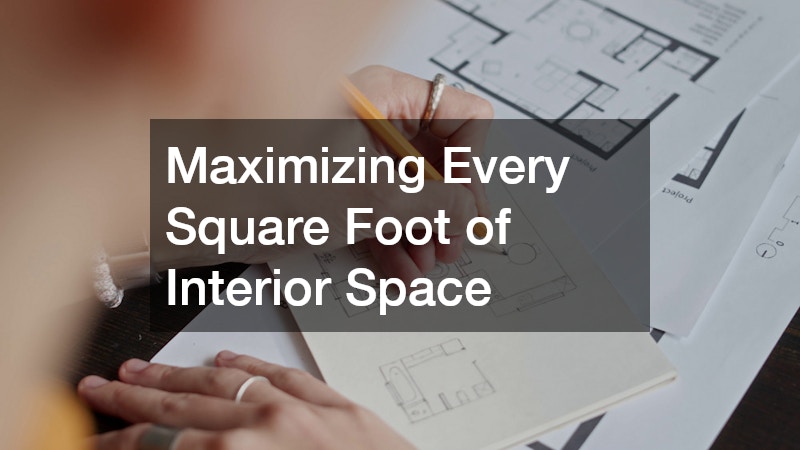
As your family grows, shrinks, and evolves, so too do your spatial needs. What was once a playroom might need to become a quiet home office, and eventually, a comfortable suite for an aging parent or a returning adult child. To truly create a property you never have to leave, you must look at your underutilized spaces and figure out how to put them to work.
The lowest level of the house often holds the greatest untapped potential. Rather than using it as a dark, damp storage area for holiday decorations and forgotten exercise equipment, you can transform this footprint into a highly functional, multi-purpose living area. Because subterranean spaces have unique challenges regarding temperature regulation, moisture control, and emergency egress, standard renovation tactics do not apply. Hiring dedicated basement remodeling contractors is essential. They will ensure that proper sub-flooring is installed to keep the space warm, that ventilation is adequate to prevent musty odors, and that all building codes are met for habitable living spaces. Once properly finished, this area can add massive, flexible square footage to your floor plan.
In addition to large-scale room conversions, managing the daily physical footprint of your belongings is crucial for long-term comfort. As we accumulate items over a lifetime, poor storage leads to immense frustration. Waking up and fighting with a cramped, poorly lit wardrobe sets a stressful tone for the entire day. A house that is meant to serve you forever must have systems in place that make daily routines effortless.
To reclaim control over your belongings, consider these organizational strategies:
- Inventory Your Life: Before building any storage, take a ruthless inventory of what you actually own. You cannot build adequate storage if you do not know the volume of your possessions.
- Utilize Vertical Space: Most standard wardrobes waste massive amounts of vertical space. Install double-hang rods for shirts and pants to instantly double your capacity.
- Prioritize Illumination: Dark storage is useless storage. Hardwire LED lighting into your storage spaces, or install motion-activated, battery-operated lights so you can actually see the colors and fabrics of your clothing.
- Invest in Customization: A generic wire rack will never perfectly suit your specific needs. Engaging in thoughtful closet design allows you to specify the exact ratio of shoe shelves, long-hanging space for coats, and shallow drawers for accessories.
When your lower levels are converted into beautiful, usable living areas and your personal belongings are meticulously organized behind closed doors, your house will suddenly feel twice as large. Reclaiming this dead space reduces daily friction and allows your house to breathe, giving you the mental clarity to simply enjoy your environment.

Perfecting the Atmosphere and Stepping Outside
The final phase of transforming your property is curating the daily atmosphere of your interior and extending your living space seamlessly into the outdoors. The way a house feels is heavily influenced by natural light, temperature control, and the ability to transition effortlessly between the inside and the outside.
Window treatments play a massive role in the livability of a space. Flimsy aluminum blinds or heavy, dust-collecting drapes require constant cleaning, often break, and do a poor job of insulating. If you want a permanent, elegant solution that enhances both the interior and exterior aesthetic of your house, upgrading your window fixtures is a must. High-quality plantation shutters offer unparalleled control over natural light and privacy. Because they are permanently affixed to the window frame, they do not have dangerous cords that pose a risk to grandchildren or pets. Furthermore, their solid construction provides excellent thermal insulation, blocking out harsh summer heat and retaining indoor warmth during the winter, which reduces the strain on your HVAC system over the long haul.
Once the interior atmosphere is perfected, your attention must turn to the exterior. A true forever residence should offer a space to enjoy nature, entertain guests, and relax in the fresh air. However, as the years go by, the desire to spend weekends power-washing, sanding, and re-staining a traditional wooden patio rapidly diminishes. The goal is to maximize enjoyment while minimizing maintenance.
To build an outdoor oasis that requires virtually no upkeep, keep these concepts in mind:
- Focus on Hardscaping: Minimize the amount of high-maintenance lawn by installing expanded patios, stone pathways, and drought-resistant native plant beds that require little watering or pruning.
- Create Covered Zones: Incorporate pergolas or extended rooflines to provide reliable shade and shelter from sudden rain, extending the amount of time you can comfortably use your yard throughout the year.
- Choose Modern Materials: When constructing elevated outdoor entertainment areas, abandon traditional lumber. Building a high-quality composite deck ensures that your outdoor flooring will never splinter, rot, or succumb to insect damage. A quick wash with soap and water once a season is all that is required to keep it looking brand new for decades.
- Integrate Safe Lighting: Outdoor spaces must be safe to navigate at night. Install flush-mounted stair lights, pathway bollards, and motion-sensor security lighting to ensure you can confidently move around your property after dark.
By upgrading your window fixtures for superior interior climate control and utilizing modern, low-maintenance materials for your exterior living spaces, you drastically reduce your weekend chore list. This allows you to actually spend your time enjoying the beautiful, comprehensive environment you have worked so hard to create.
Taking the leap to permanently upgrade your current property is a monumental but incredibly rewarding endeavor. It requires looking past temporary trends and making thoughtful, highly deliberate choices about materials, layout, and functionality. Remember that a whole-house transformation does not have to happen overnight. It is a phased journey.
Start by taking a few weeks to actively observe how you interact with your current space. Note the areas where the lighting is poor, where you find yourself reaching uncomfortably, or where clutter always seems to gather. These daily friction points are your roadmap. Tackle the structural and safety necessities first, and then slowly layer in the aesthetic and lifestyle upgrades. By systematically addressing the structural envelope, refining your high-traffic work zones, prioritizing safety in your private spaces, and minimizing maintenance in your yard, you will successfully forge a living environment that not only meets your needs today but will gracefully support and inspire you for the rest of your life.
