

Basements are often underutilized areas of the home, serving primarily as storage zones or mechanical spaces. Yet with thoughtful planning and strategic improvements, a basement can become one of the most versatile and valuable parts of a property. Whether envisioned as a family room, home office, guest suite, or entertainment area, a finished basement expands usable square footage without altering the home’s exterior footprint. Converting this space into a comfortable living environment requires careful assessment, proper preparation, and attention to structural details.
Unlike upper levels of a home, basements present unique challenges. They are more susceptible to moisture, temperature fluctuations, and limited natural light. Addressing these concerns early in the planning process helps create a space that feels as welcoming and functional as the rest of the house. A successful transformation balances aesthetics with practical upgrades, ensuring that improvements enhance comfort while protecting the home’s structural integrity.
When approached methodically, basement improvements can increase property value and improve daily living. By identifying foundational needs and establishing a clear design vision, homeowners can unlock the full potential of their lower level. The first steps involve evaluating existing conditions and creating a layout that supports both immediate needs and long-term flexibility.
Assessing Basement Structure and Condition
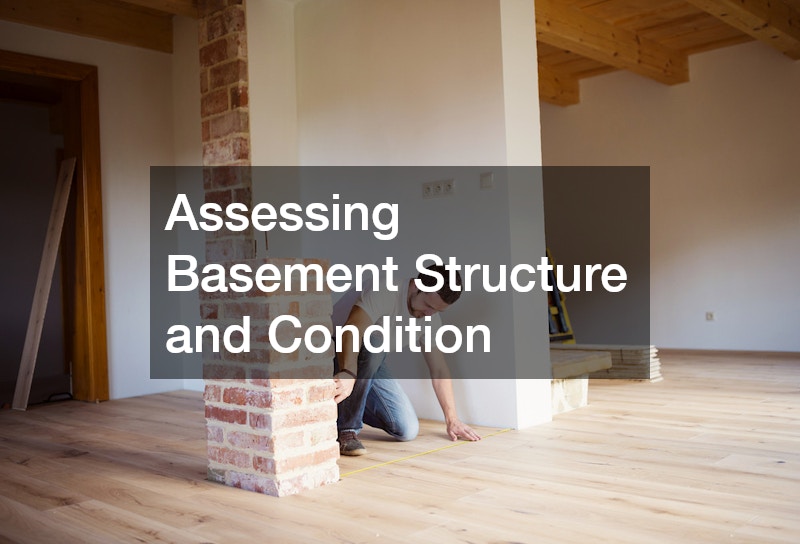
Before beginning any design work, it is essential to evaluate the basement’s current condition. Structural integrity forms the foundation of every successful renovation. Cracks in walls, uneven floors, or signs of water intrusion may indicate underlying issues that must be addressed before cosmetic improvements begin. Ignoring these warning signs can result in costly repairs and long-term damage. A thorough inspection helps determine whether the space is ready for transformation or requires corrective measures. It is also important to assess the condition of support beams, columns, and foundation walls to confirm they are free from shifting or deterioration.
One of the most critical considerations during this phase is basement waterproofing. Moisture control protects framing materials, insulation, and finished surfaces from mold and deterioration. Professionals may recommend sealing foundation cracks, installing drainage systems, or improving exterior grading to redirect water away from the home. Evaluating ceiling height, support beams, and load-bearing walls also confirms that planned changes comply with structural standards. Inspecting existing mechanical systems such as electrical wiring, plumbing lines, and HVAC components helps identify upgrades that may be needed to support future living space. Testing for radon levels is another important step in some regions, as basements can accumulate higher concentrations of this naturally occurring gas. By resolving foundational concerns early, homeowners create a stable environment that supports safe and lasting improvements. Careful assessment ensures that every subsequent upgrade builds upon a secure and durable base while minimizing unexpected complications during construction.
Planning a Functional Layout
Once structural concerns have been addressed, attention can shift to how the space will be used. A well-planned layout maximizes square footage while accommodating both current and future needs. Basements can serve many purposes, including recreational areas, additional bedrooms, home gyms, or quiet workspaces. Clearly defining primary and secondary functions helps guide decisions about wall placement, traffic flow, and furniture arrangement. Considering how people will move through the space improves comfort and prevents overcrowding or awkward transitions between zones.
A thoughtful home renovation strategy considers how the basement connects to the rest of the house. Positioning stair access points, bathrooms, and storage areas strategically enhances convenience and usability. Open-concept designs may create a spacious feel, while partitioned rooms offer privacy and noise control. Planning for adequate ceiling height, emergency egress windows, and proper lighting integration supports both safety and comfort. It is also important to allocate space for mechanical rooms and utility access without disrupting the overall aesthetic. Soundproofing between levels can reduce noise transfer and make the basement more versatile for entertainment or work. Incorporating flexible design elements, such as movable partitions or multi-purpose furniture, allows the layout to evolve with changing household needs. By mapping out the layout carefully, homeowners avoid costly modifications later in the process. Strategic planning lays the groundwork for a basement that feels intentional, cohesive, and fully integrated into the home’s overall design while supporting long-term functionality.
Improving Lighting and Ventilation
Basements often lack the natural light and airflow found in upper levels of a home. Small windows, limited cross-ventilation, and below-grade construction can make the space feel dim or stagnant. Addressing lighting and air circulation early in the renovation process helps transform a basement from a dark storage area into a welcoming living environment. Proper illumination enhances safety, improves functionality, and creates a more inviting atmosphere for daily use.
Partnering with an experienced HVAC company supports effective climate control and ventilation solutions. Professionals can evaluate ductwork, recommend system extensions, and determine whether supplemental units are necessary to maintain consistent temperatures. Adequate ventilation also helps manage humidity levels, which is essential in below-grade spaces. In addition to airflow improvements, layered lighting strategies can brighten the basement significantly. Recessed ceiling fixtures, wall sconces, and task lighting create depth and reduce shadows. Strategic placement of mirrors and light-colored finishes can further amplify available light. By combining proper ventilation with thoughtful lighting design, homeowners create a basement that feels comfortable, fresh, and seamlessly connected to the rest of the home.

Upgrading Insulation and Moisture Control
Temperature regulation and moisture prevention are central to creating a comfortable basement environment. Because basements are partially or fully below ground, they are more vulnerable to cold surfaces, condensation, and damp conditions. Without adequate insulation and moisture barriers, finished spaces may feel chilly and uncomfortable. Proper upgrades help maintain stable indoor temperatures while protecting walls and flooring from long-term damage.
Many homeowners incorporate these improvements as part of comprehensive basement remodels. Installing high-quality insulation along exterior walls and rim joists reduces heat loss and improves energy efficiency. Vapor barriers and sealed seams limit moisture penetration that could otherwise compromise drywall and framing. Selecting mold-resistant materials further enhances durability in humid conditions. Addressing these elements during the renovation phase prevents costly repairs later. With careful planning and proper installation, insulation and moisture control upgrades create a dry, comfortable environment that supports long-term living space conversion.
Installing Durable Flooring Options
Flooring plays a significant role in both the appearance and functionality of a finished basement. Because basements are prone to moisture fluctuations, selecting materials that withstand environmental changes is essential. Traditional hardwood may not perform well in below-grade settings, making alternative solutions more practical. A well-chosen flooring system contributes to comfort, durability, and ease of maintenance.
One effective option for enhancing durability is applying a concrete floor coating. This solution seals the existing slab, creating a moisture-resistant and visually appealing surface. Coatings can improve traction, resist staining, and provide a smooth finish that complements various design styles. In some cases, homeowners may layer engineered flooring or luxury materials over treated concrete for added warmth and texture. Proper subfloor preparation is critical to prevent shifting or moisture intrusion. By prioritizing resilient materials and professional installation techniques, homeowners create a basement floor that remains functional and attractive for years to come.
Designing Comfortable Living Areas
Creating a welcoming atmosphere is essential when transforming a basement into functional living space. Once structural and mechanical systems are addressed, the focus shifts to comfort and usability. Thoughtful design choices help the space feel intentional rather than like a converted storage area. Selecting cohesive finishes, comfortable furniture, and appropriate lighting layers can make the basement feel like a natural extension of the home.
In some cases, basement conversions serve as alternatives to traditional home additions by providing extra bedrooms, entertainment zones, or multi-purpose family areas within the existing footprint. Carefully positioning seating areas, media setups, or guest accommodations ensures that each zone functions efficiently without overcrowding the space. Incorporating sound insulation between floors enhances privacy and reduces noise transfer to upper levels. Durable finishes and easy-to-clean surfaces also support long-term use, especially in high-traffic areas. By balancing aesthetics with practicality, homeowners create comfortable basement living areas that meet evolving household needs without expanding the home’s exterior structure.

Adding Efficient Storage Solutions
Storage is often one of the primary reasons homeowners turn to basement spaces. Even after finishing the area for living purposes, dedicated storage zones remain essential for maintaining organization. Without intentional planning, clutter can quickly accumulate and undermine the functionality of the new space. Built-in solutions help preserve usable square footage while keeping seasonal items and household essentials accessible.
Working with a professional remodeling service can streamline the integration of customized storage features. Built-in shelving, concealed cabinets, and under-stair compartments maximize otherwise unused areas. Designing storage with flexibility in mind allows homeowners to adapt the space as needs change over time. Proper planning also considers ventilation and moisture resistance to protect stored belongings. By incorporating structured storage into the renovation process, homeowners create a basement that supports both daily living and long-term organization. Thoughtful storage solutions enhance efficiency and maintain the polished appearance of a finished lower level.
Incorporating Modern Electrical and Plumbing
Modern living spaces require reliable electrical and plumbing systems to support functionality and convenience. Basements converted into living areas often include additional lighting circuits, outlets, entertainment systems, or even bathrooms and wet bars. Upgrading infrastructure ensures that the space can safely handle increased demand without overloading existing systems. Careful planning also helps prevent costly retrofits later in the renovation process.
Hiring a licensed plumber is essential when adding sinks, bathrooms, or laundry facilities to the basement. Professionals evaluate drainage lines, water pressure, and venting requirements to confirm compliance with building codes. Electrical upgrades may include adding dedicated circuits or enhancing panel capacity to accommodate new appliances and lighting fixtures. Coordinating these systems during construction minimizes disruptions and supports a cohesive design. By integrating modern utilities into the renovation plan, homeowners create a basement environment that functions seamlessly and meets contemporary comfort standards.
Enhancing Safety and Code Compliance
Safety should remain a top priority throughout every stage of basement transformation. Because basements are below grade, they require special attention to building codes, fire safety standards, and proper egress. Without meeting these requirements, the space may not qualify as legal living area, which can affect both insurance coverage and resale value. Addressing safety concerns early prevents costly revisions and supports long-term peace of mind.
Working with an experienced construction contractor helps confirm that structural modifications, framing, and finishing elements comply with local regulations. Professionals evaluate ceiling heights, stair dimensions, handrail placement, and emergency exit requirements to meet established safety standards. Proper installation of smoke detectors, carbon monoxide alarms, and fire-rated materials further enhances protection. Ensuring adequate egress windows in sleeping areas is particularly important for emergency evacuation. By prioritizing compliance and safety measures, homeowners create a secure and code-approved living space that protects occupants while maintaining the integrity of the renovation investment.

Increasing Long-Term Home Value
A finished basement not only improves daily comfort but can also enhance property value when completed thoughtfully. Buyers often view additional living space as a major advantage, especially when it feels cohesive with the rest of the home. However, value depends on quality craftsmanship, durable materials, and consistent design. Poor finishing work or visible shortcuts may reduce the return on investment.
Partnering with a skilled drywall contractor contributes to a polished and professional final appearance. Smooth wall surfaces, properly finished seams, and clean corner detailing create a refined backdrop for paint and décor. High-quality drywall installation also supports sound control and insulation performance. Attention to detail during finishing ensures that ceilings, walls, and transitions appear seamless. By investing in professional workmanship and durable materials, homeowners increase the likelihood that their basement renovation will add measurable value. A well-executed transformation enhances both livability and long-term market appeal.
Transforming a basement into functional living space requires more than cosmetic upgrades. It demands careful planning, structural assessment, and thoughtful integration of mechanical systems. From moisture control and insulation to lighting, flooring, and layout design, each element contributes to creating a comfortable and durable environment. Addressing foundational concerns early establishes a stable platform for all subsequent improvements.
When executed strategically, a basement renovation expands usable square footage without altering the home’s exterior footprint. The result can be a versatile area that supports entertainment, relaxation, work, or guest accommodations. By collaborating with qualified professionals and prioritizing safety, durability, and cohesive design, homeowners can unlock the full potential of their lower level. A carefully planned basement transformation not only improves everyday living but also strengthens the overall value and functionality of the home for years to come.
