
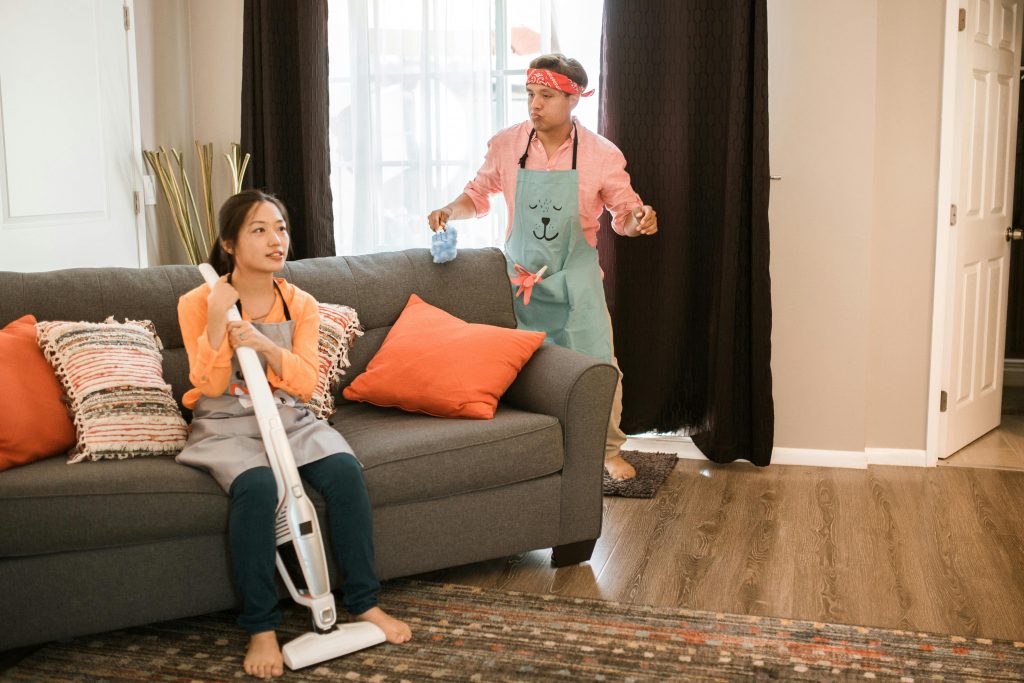
- Dusting comes before vacuuming – Start with dusting surfaces so falling particles don’t settle back onto freshly cleaned floors.
- Work from top to bottom – Dust ceiling fans, shelves, and high surfaces first, then move downward to furniture and baseboards.
- Vacuum methodically – Use the correct attachments, work slowly, and follow a pattern to capture all dust, hair, and debris.
- Adjust for allergies – Damp dusting, HEPA-filter vacuums, and clean air vents help reduce allergens.
- Use the right tools – Microfiber cloths, extendable dusters, and vacuum attachments make cleaning more effective.
- Room-specific strategy matters – Tailor your dusting and vacuuming routine to each room, from bedrooms to kitchens, for maximum results.
Cleaning your home can feel like a never-ending battle. From dusty shelves to pet hair on the carpet, it’s easy to get overwhelmed. One question that often comes up is: do you dust or vacuum first? The answer might seem simple, but the order you choose can actually make your cleaning routine more effective and even save time. Let’s break down the smartest approach to cleaning every room in your home.
Why the Order of Cleaning Matters
Have you ever spent an hour vacuuming only to notice dust settling on the floor afterward? That’s a common problem. The order in which you clean affects:
- Efficiency – Cleaning in the right sequence saves time and energy.
- Effectiveness – You actually remove more dust, dirt, and allergens.
- Maintenance – Proper cleaning order helps your home stay cleaner longer.
If you want to know how to clean your room effectively, understanding the logic behind the sequence is crucial. By following the right order, you can reduce repeated cleaning sessions and make the process much smoother.
Dust or Vacuum First? The General Rule
Most cleaning experts agree that dusting should come before vacuuming. Here’s why:
- Dust falls to the floor – When you dust surfaces, some particles inevitably land on the floor. If you vacuum first, you’ll have to do it again.
- Prevents re-contamination – Dusting first ensures that all debris is captured when you vacuum.
- Better for your HVAC system – Dust kicked up into the air is less likely to settle back into carpets or rugs if you vacuum last.
Think of vacuuming as the final step in removing all the dust and debris from your cleaning session.
How to Dust Properly
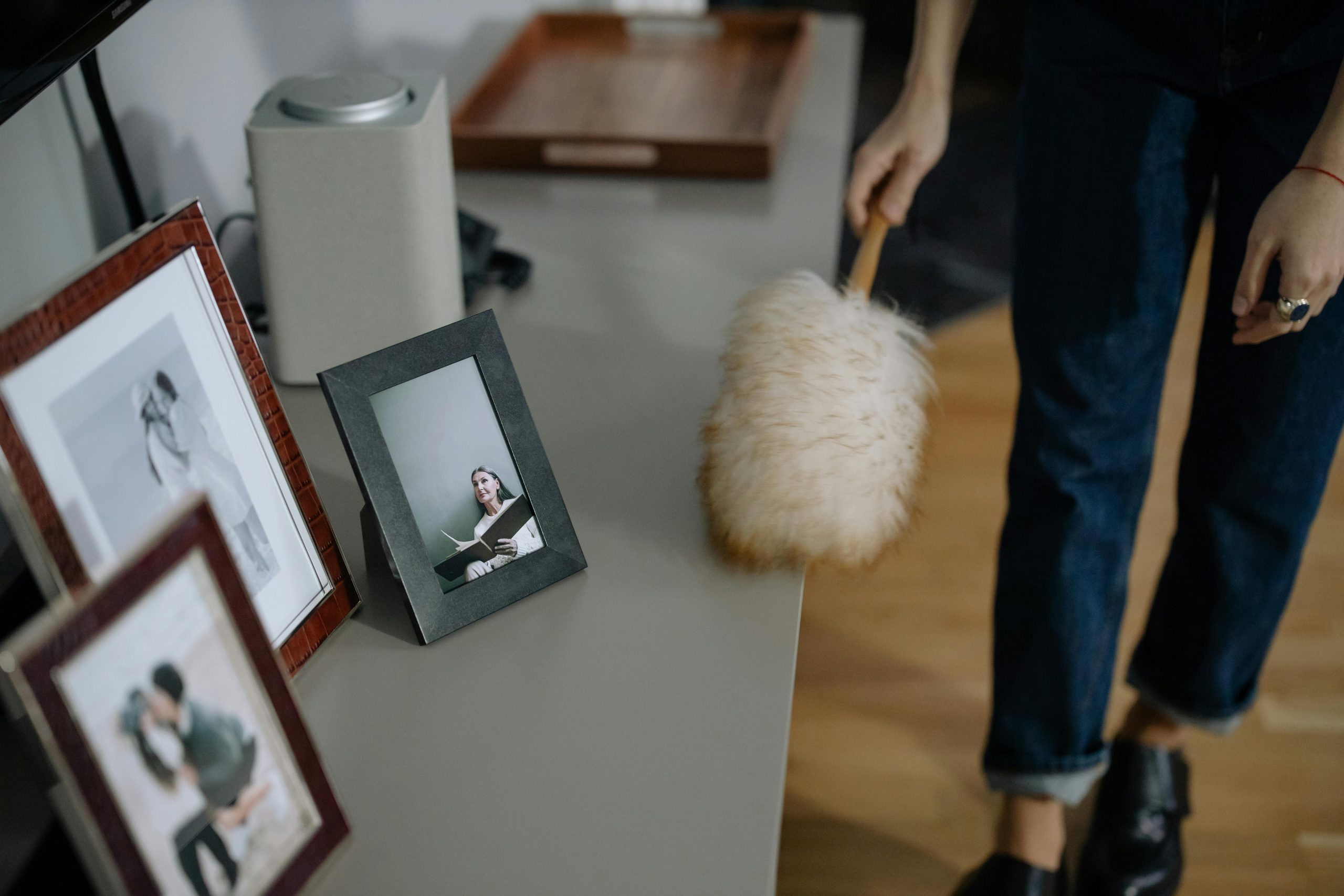
Dusting might seem straightforward, but doing it effectively can make a big difference. Here’s how to get it right:
- Start from the top – Begin with high surfaces like shelves, picture frames, and ceiling fans. Gravity will carry any dust downward.
- Work your way down – After high surfaces, dust lower furniture, baseboards, and other reachable areas.
- Use the right tools – Microfiber cloths, dusters with extendable handles, and anti-static sprays are great for trapping dust.
- Don’t forget hidden spots – Dust behind electronics, under furniture, and along window sills.
Dusting Tips for Every Room
- Living Room: Focus on shelves, TV screens, coffee tables, and decorative items.
- Bedroom: Dust nightstands, dressers, and under the bed.
- Kitchen: Wipe down cabinets, appliances, and countertops.
- Bathroom: Dust shelves, vents, and light fixtures.
Vacuuming the Right Way
After dusting, it’s time to vacuum. Vacuuming is your chance to remove dust, hair, and dirt that have settled on the floor and furniture. Here’s how to do it efficiently:
- Start with high-traffic areas – Focus on spaces like the living room and hallways first.
- Use the correct attachments – Upholstery tools, crevice attachments, and motorized brushes make vacuuming more effective.
- Go slow – Pushing the vacuum too fast can leave dirt behind.
- Follow a pattern – Work in rows or a systematic path to ensure you don’t miss spots.
Vacuuming Tips for Different Surfaces
- Carpets: Use a vacuum with strong suction and a rotating brush to lift embedded dirt.
- Hardwood and Tile Floors: Use a soft brush attachment to avoid scratches.
- Rugs: Shake smaller rugs outside before vacuuming for better results.
- Furniture: Vacuum couches, chairs, and mattresses to remove dust and allergens.
What About Allergies? Does the Order Change?
If you or your family members have allergies, the order of cleaning becomes even more important. Dusting first ensures that allergens are lifted off surfaces and captured by the vacuum. Here are a few additional tips:
- Use a vacuum with HEPA filtration – This traps fine dust particles and allergens.
- Damp dust instead of dry dust – Reduces dust particles from becoming airborne.
- Wear a mask if needed – Prevents inhaling dust while cleaning.
- Clean air vents regularly – Dust in vents can circulate back into rooms after vacuuming.
Should You Dust Twice?
In some cases, dusting twice might make sense. For example:
- If it’s been a long time since your last clean – Dust can accumulate quickly, especially in dusty climates.
- During spring cleaning – A second dusting ensures even hidden areas are clean.
- Before vacuuming delicate floors – Sometimes a light second pass removes remaining dust particles.
Most routine cleaning sessions only require one thorough dusting, but keep this in mind for deep cleaning.
Tools That Make Dusting and Vacuuming Easier
Investing in the right tools can make your cleaning more efficient and effective. Some essentials include:
- Microfiber cloths – Trap dust better than traditional rags.
- Extendable dusters – Reach high corners and ceiling fans easily.
- Vacuum with attachments – Crevice tools, upholstery brushes, and HEPA filters.
- Lint rollers – Quick touch-ups on furniture or clothing.
- Dust sprays – Reduce static and help trap particles.
Common Mistakes People Make
Even with the right order, many people make cleaning mistakes that reduce effectiveness. Avoid these pitfalls:
- Skipping high surfaces – Dusting only furniture leaves airborne dust to settle later.
- Vacuuming too quickly – Fails to pick up all debris, leaving particles behind.
- Using the wrong tools – Old rags and ineffective vacuums just move dust around.
- Not emptying the vacuum – A full vacuum bag or container reduces suction and can blow dust back out.
How Often Should You Dust and Vacuum?
The frequency of dusting and vacuuming depends on your household:
- High-traffic homes: Dust twice a week and vacuum 2–3 times weekly.
- Average homes: Dust weekly and vacuum once a week.
- Homes with pets or allergies: Dust and vacuum 2–3 times per week to reduce hair and allergens.
Room-by-Room Cleaning Strategy
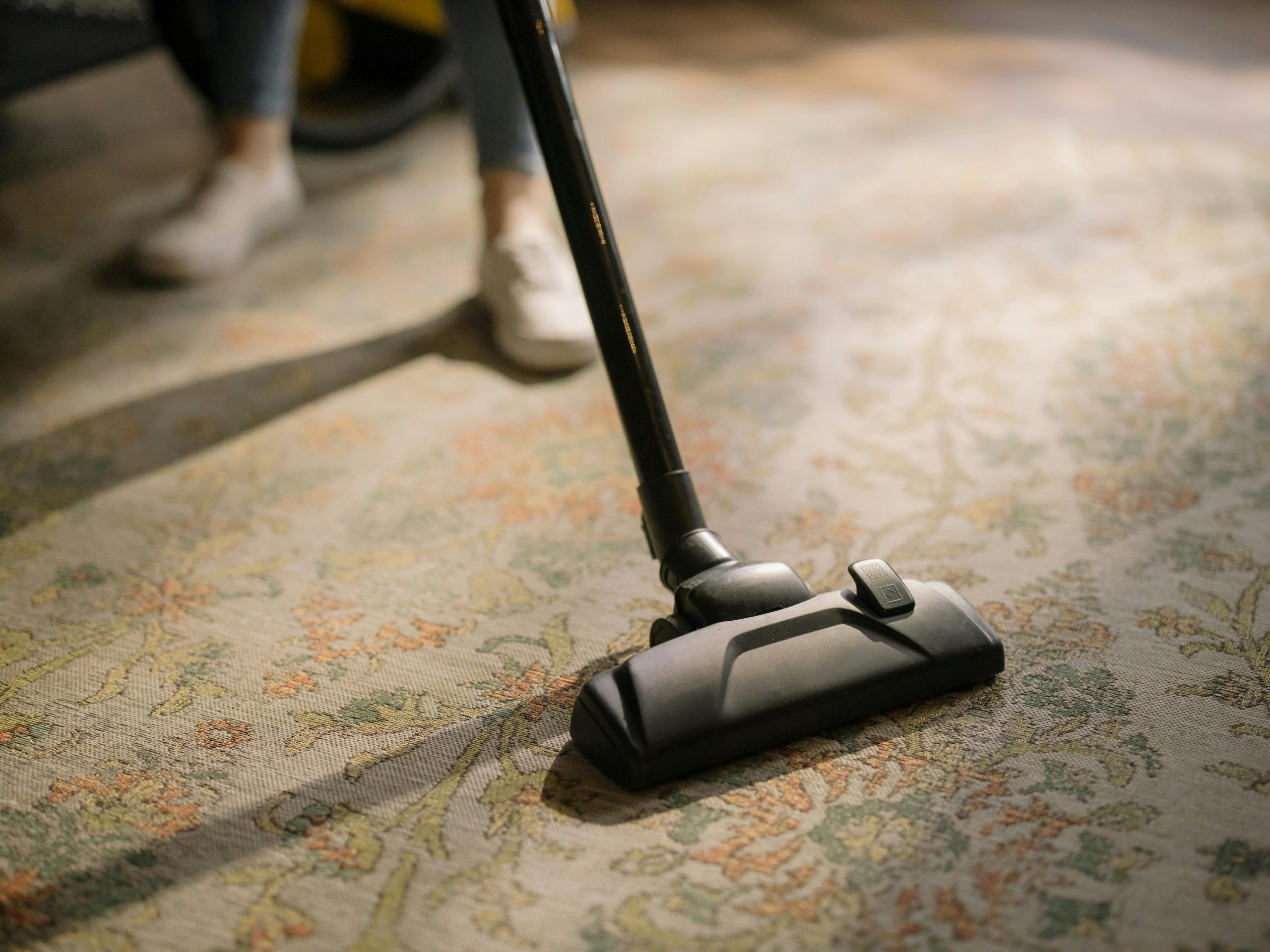
Here’s a breakdown of the dust first, vacuum second approach for each room:
Living Room
- Dust shelves, electronics, and decor.
- Vacuum carpets, rugs, and under furniture.
- Spot clean upholstery if necessary.
Bedroom
- Dust nightstands, dressers, and shelves.
- Vacuum under the bed and around furniture.
- Flip or rotate mattresses periodically.
Kitchen
- Dust tops of cabinets, shelves, and light fixtures.
- Vacuum floors, paying attention to corners and under appliances.
- Wipe down countertops and appliances after dusting.
Bathroom
- Dust vents, shelves, and light fixtures.
- Vacuum floors and rugs.
- Clean mirrors and glass surfaces afterward.
Home Office
- Dust electronics carefully to avoid damage.
- Vacuum carpet or rugs, especially under chairs.
- Keep cords and cables organized to prevent dust buildup.
Quick Cleaning Hacks
To make dusting and vacuuming easier, try these hacks:
- Use a damp microfiber cloth – Reduces airborne dust.
- Vacuum in overlapping rows – Ensures complete coverage.
- Dust ceiling fans before turning on the fan – Prevents dust from spreading.
- Move furniture slightly – Helps clean hidden spots without straining yourself.
Wrapping Up
The key takeaway is simple: dust first, vacuum second. This order ensures that you remove dust from all surfaces and catch everything that falls to the floor. Following this sequence not only makes your home cleaner but also reduces allergens, prevents repeated cleaning, and saves time.
By using the right tools, focusing on high-to-low cleaning, and paying attention to detail, you can make every cleaning session more effective. Whether it’s a quick weekly tidy or a thorough seasonal clean, understanding the smart way to dust and vacuum makes a noticeable difference in your home’s cleanliness.
